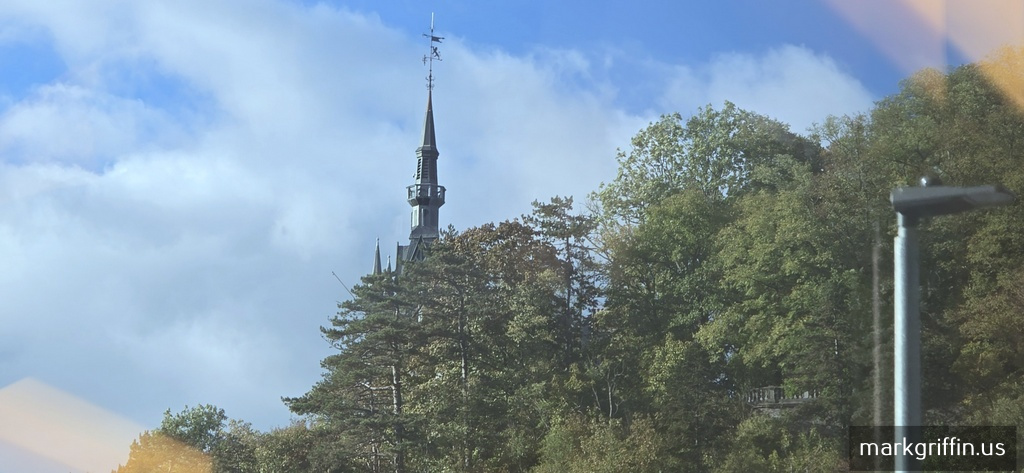
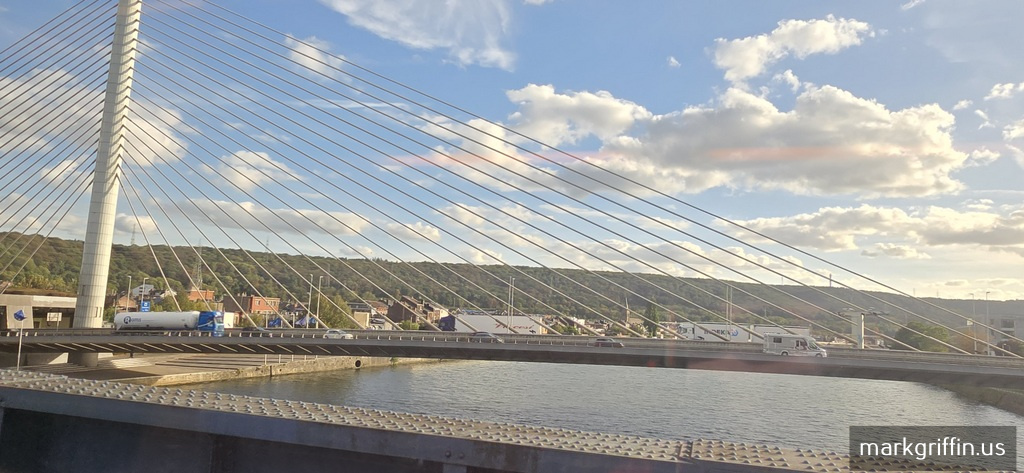
Small change of plans today. It turns out train travel is far more expensive going into Germany than around Belgium. In Belgium, the government subsidizes rail costs. Not in Germany! Going from the far west to the far east of Belgium will run you $30 total. Liege to Cologne runs more than $120 each way. Pricing for trains in Germany is also like buying airline tickets. The closer you buy to debarkation day the most expensive it is. We’ll build that visit into the 2027 Spring trip. Instead, we go to Luxembourg!
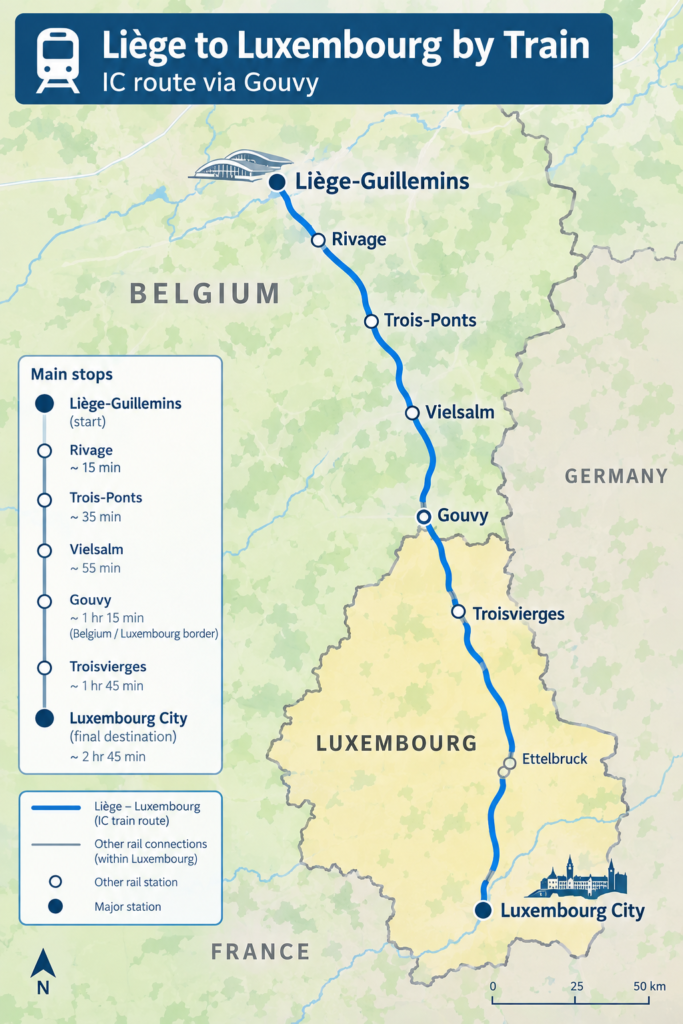
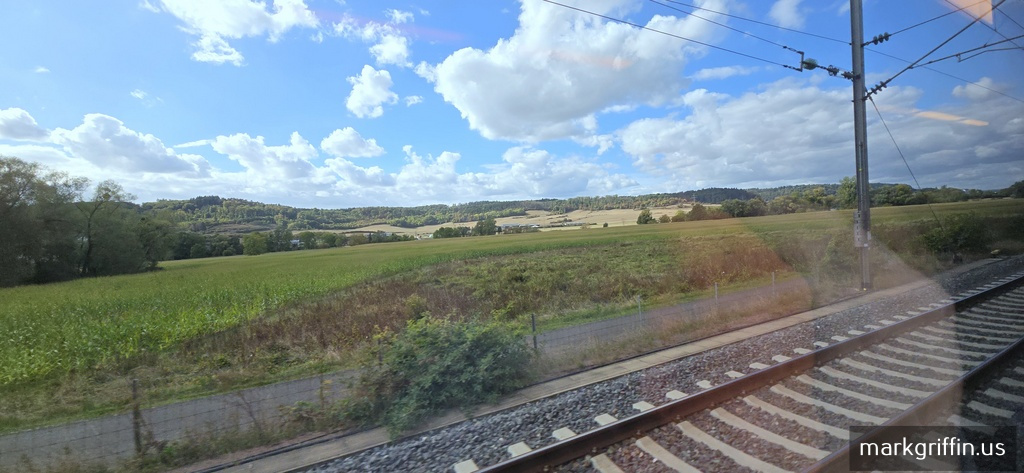
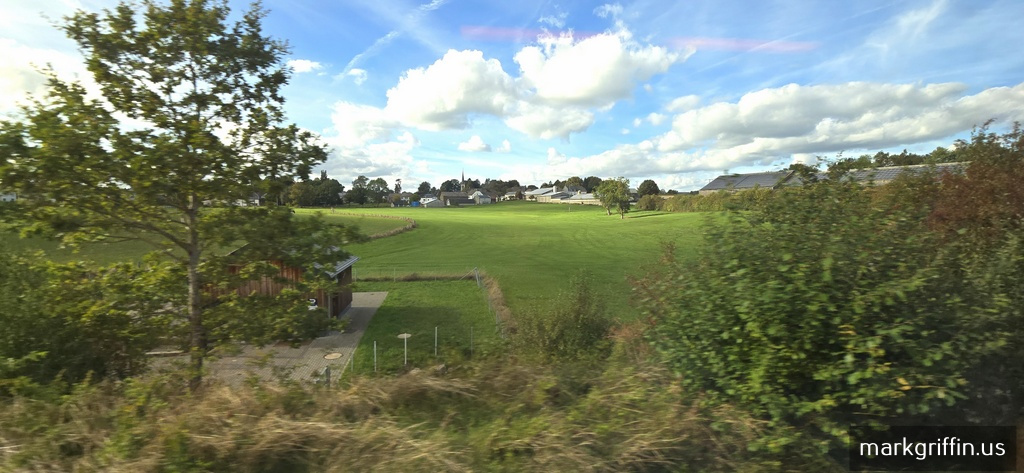
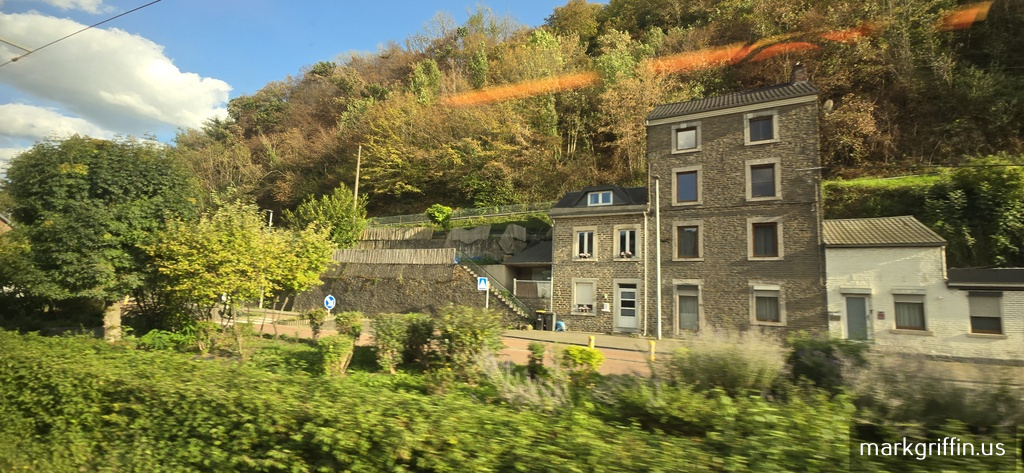
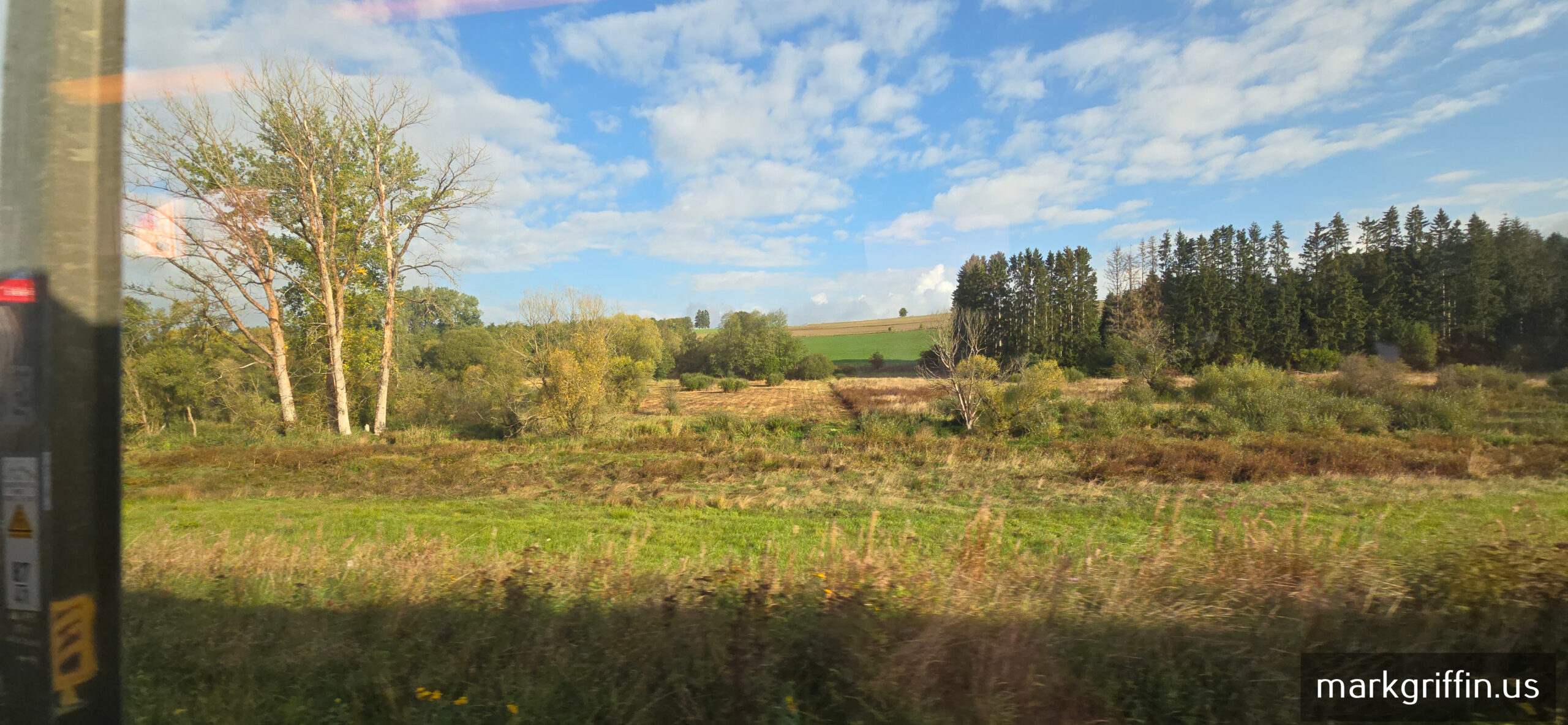
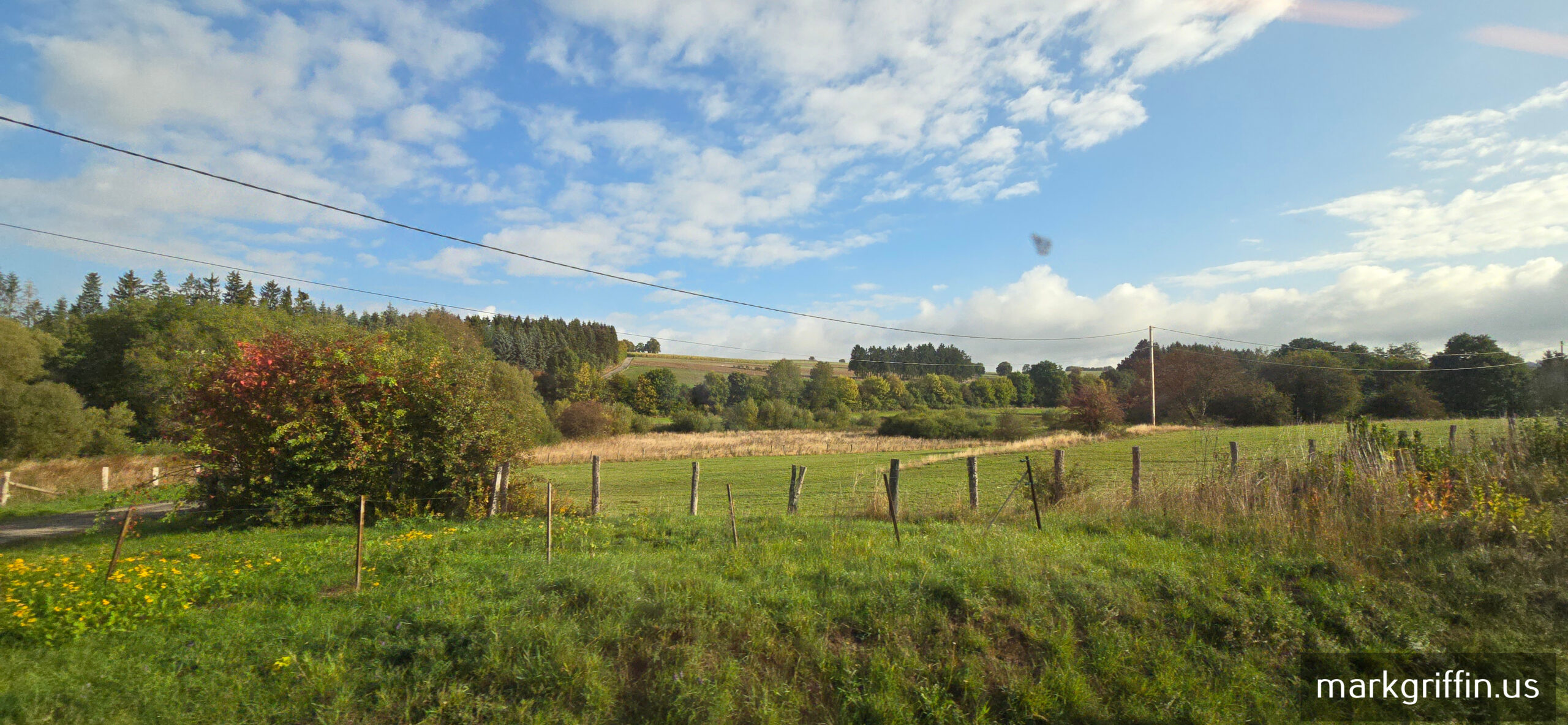
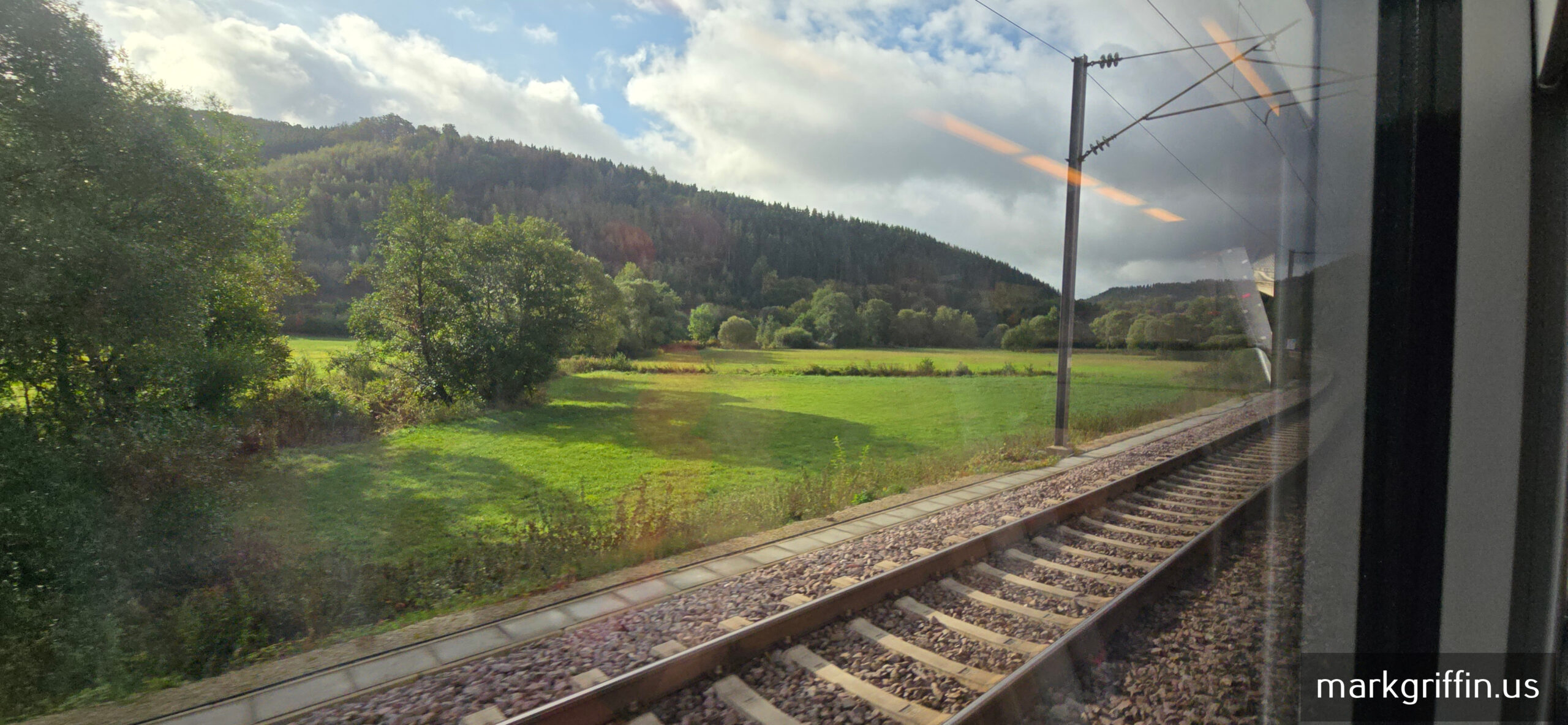
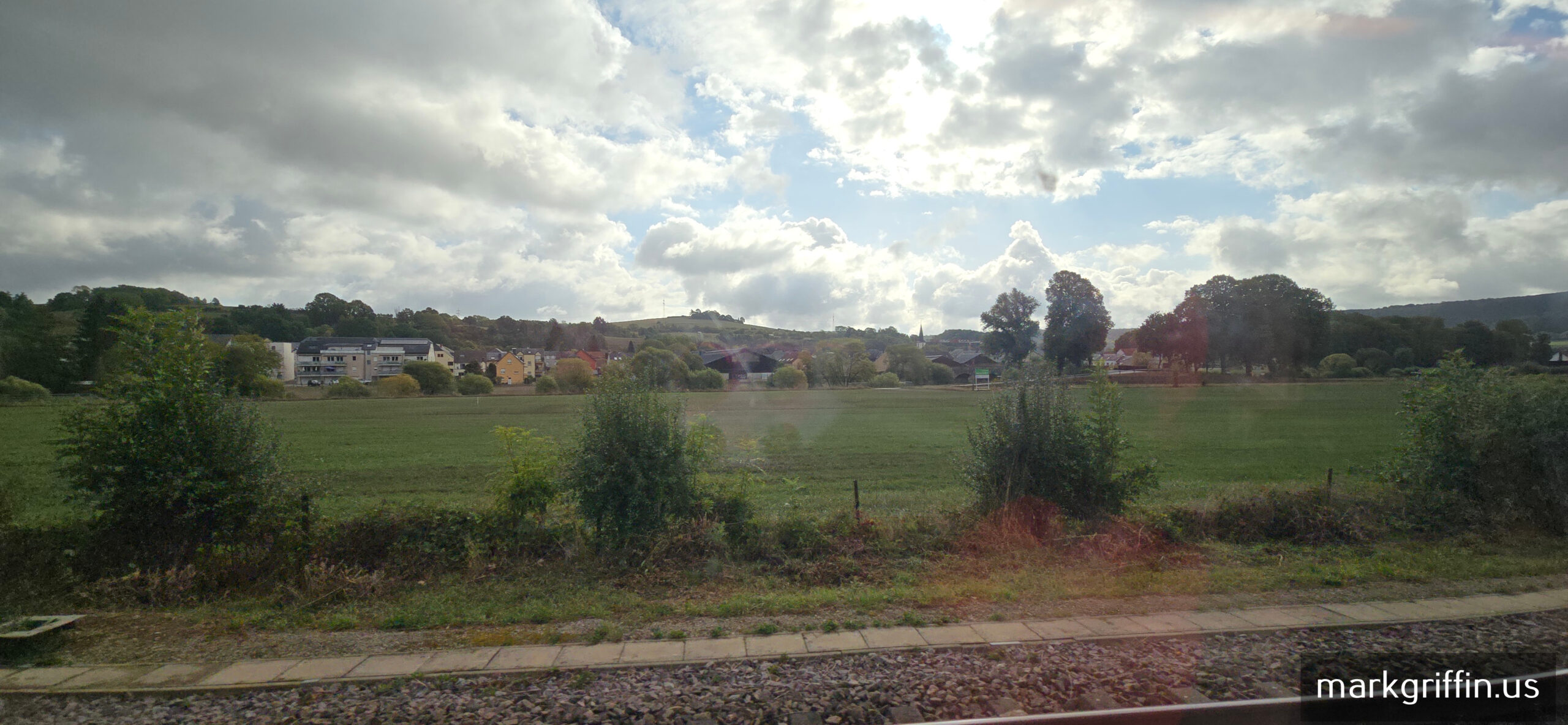
This is a bit further away than I had imagined. 2.5hrs each way. But what a beautiful scenery along the rails.
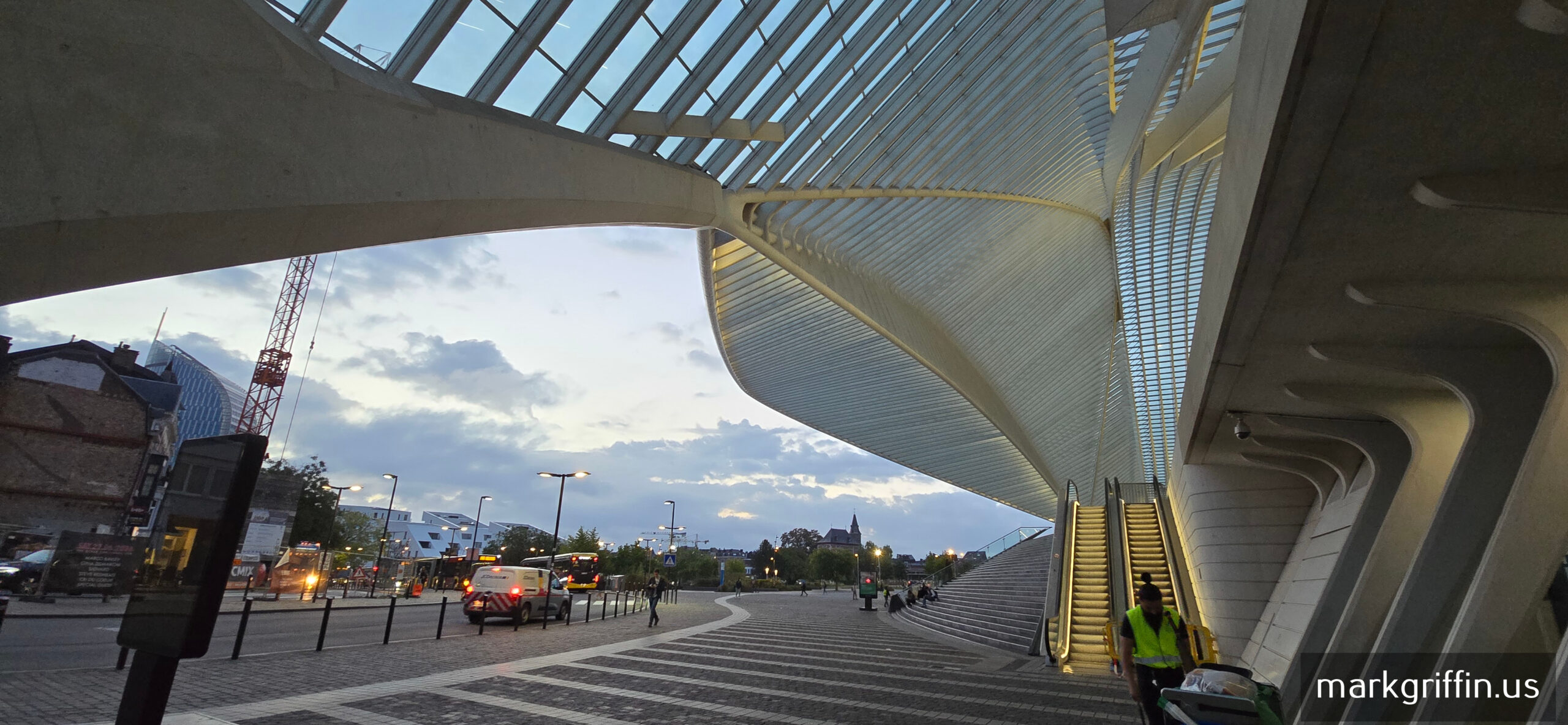
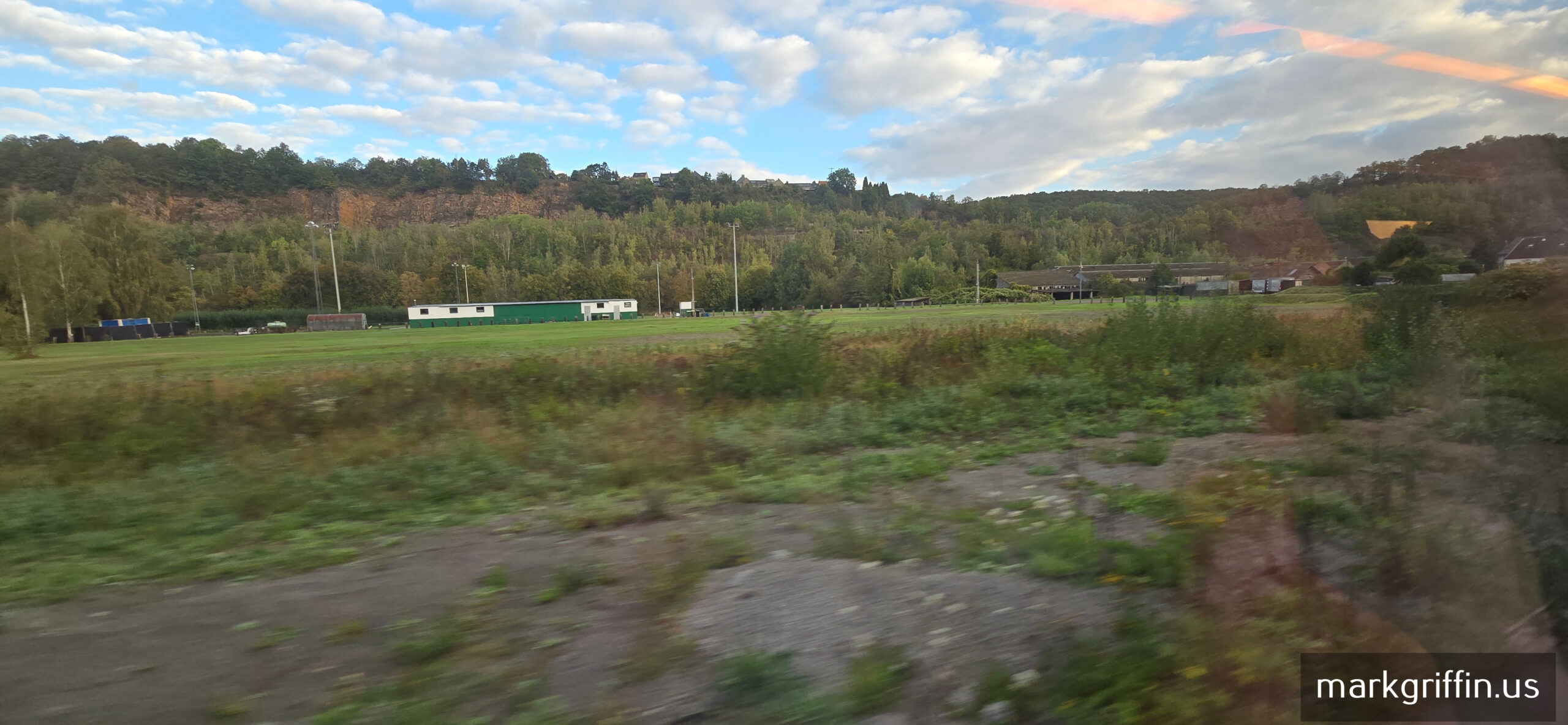
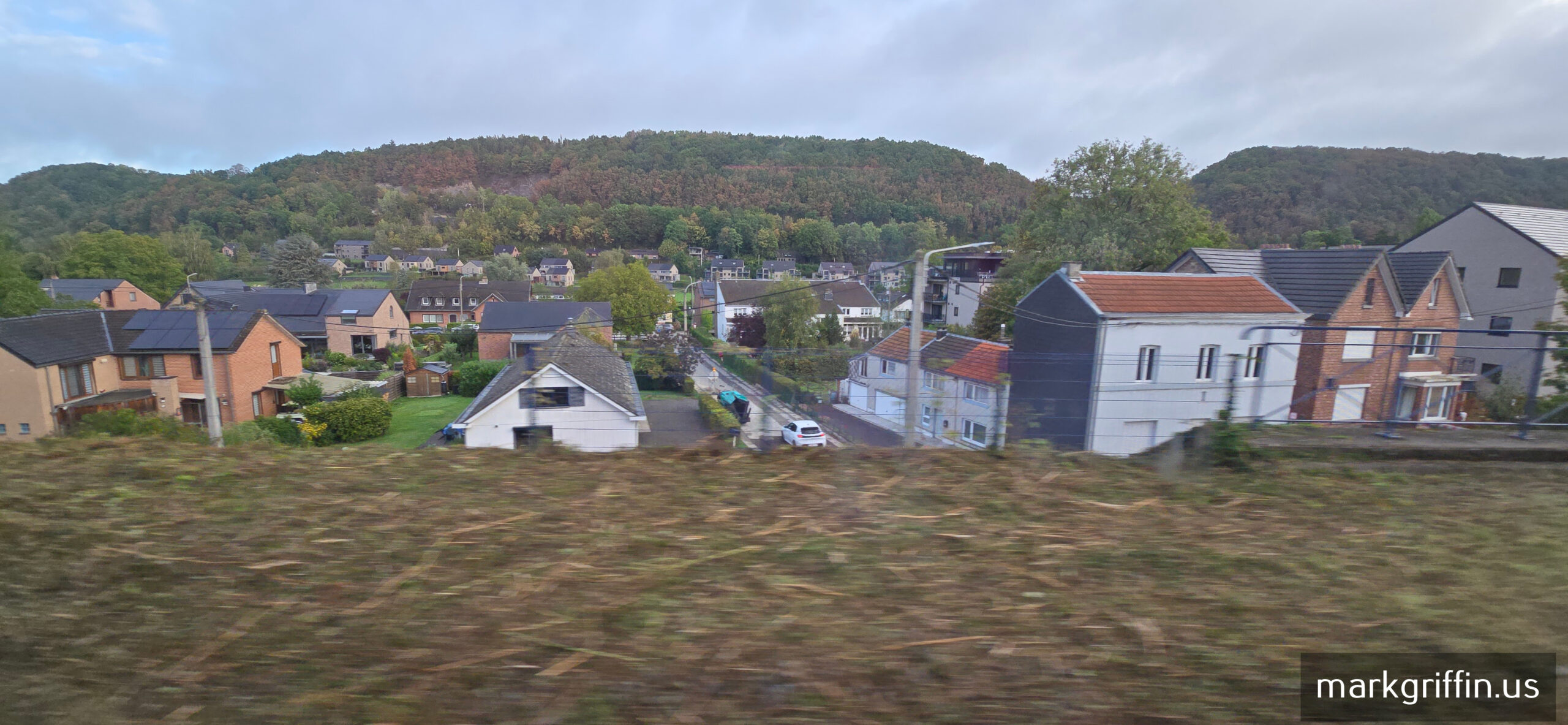
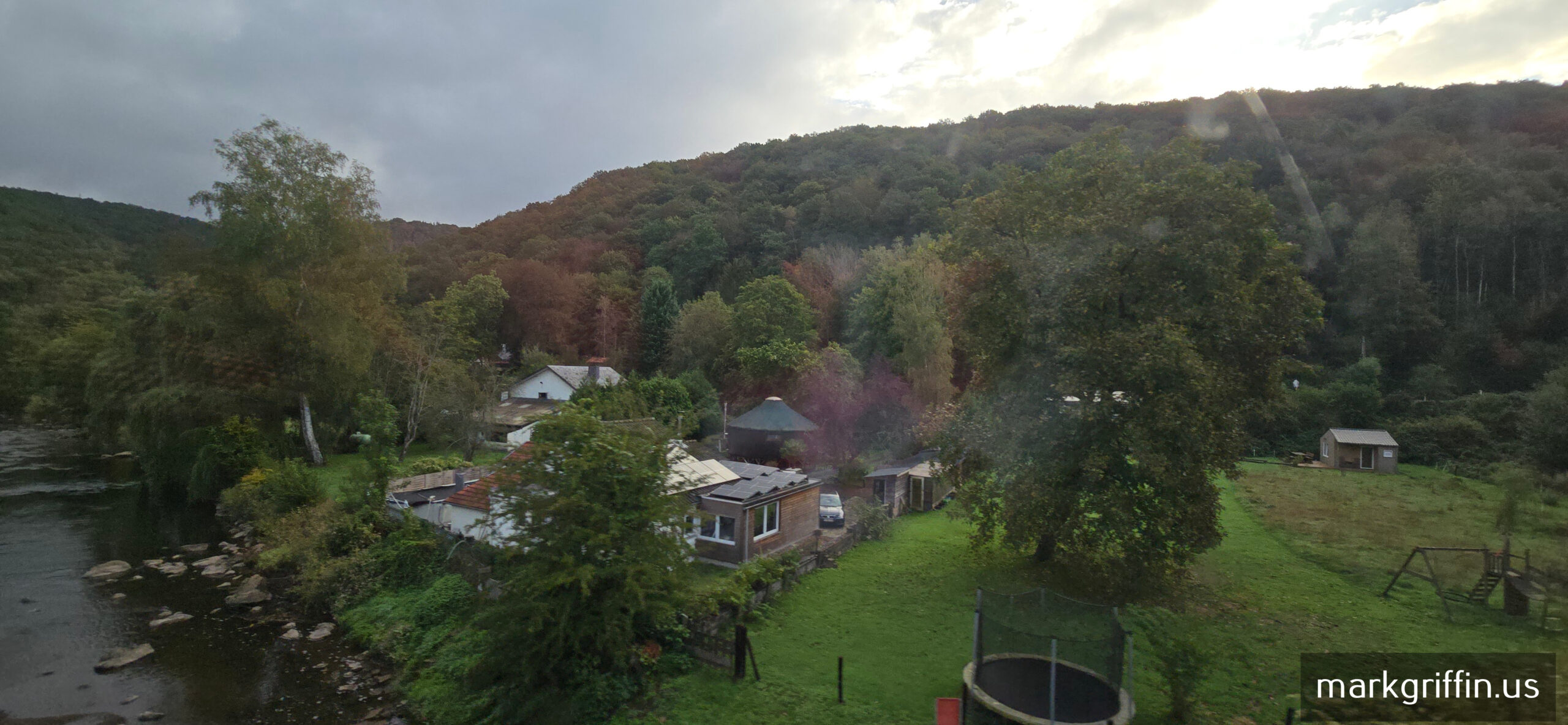
In 963, this city starts its history. Count Siegfried acquires a small Roman-era fort called “Lucilinburhuc”. During the Medieval centuries, gradually fortifying more of the plateau. Its natural position, steep cliffs, a river gorge, already makes it a formidable defensive site even before serious military engineering arrives. Different civilations take their crack at the city and reinforce the hilltop position even further. Then in 1795, French Revolutionary forces seize Luxembourg after a grueling siege. Once they take control they wreck the place like they did in Liege.
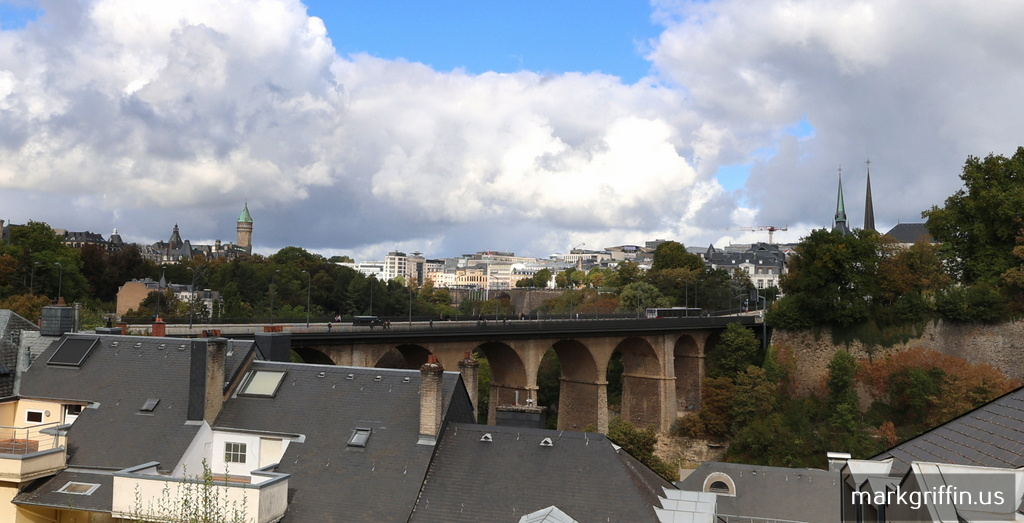
A visit to Luxembourg City is less about churches and old history. Rather, it’s about the scenery and the old fortress walls. sits on a high plateau surrounded by the deep valleys of the Alzette and Pétrusse rivers. You can stand in the upper city and look hundreds of feet down into a completely different-looking lower city, with cliffs, stone walls, bridges, trees and old houses.
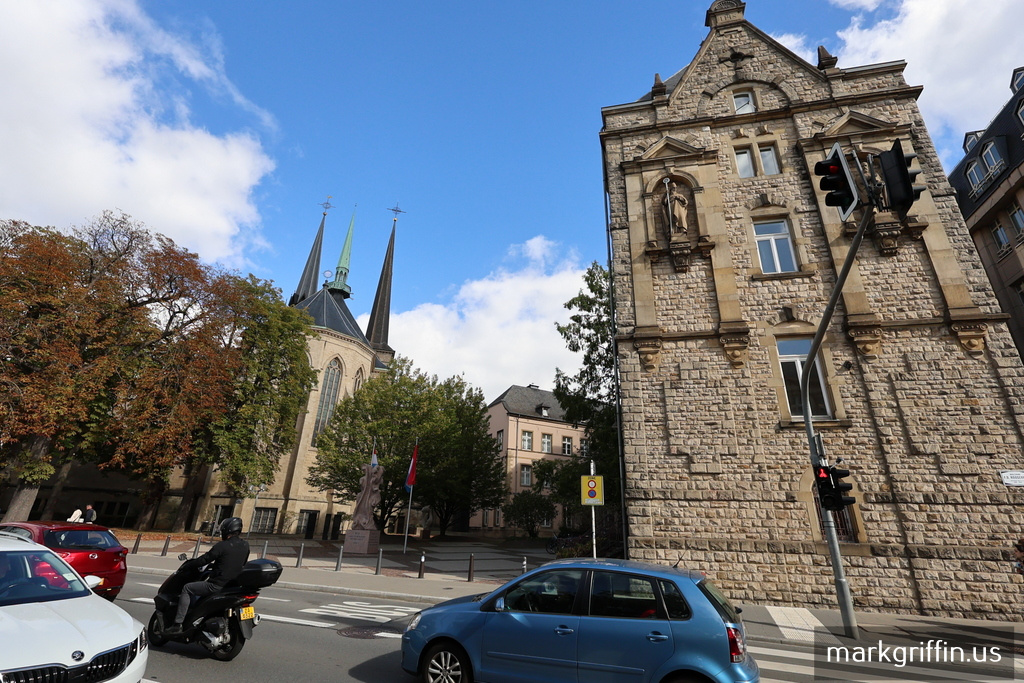
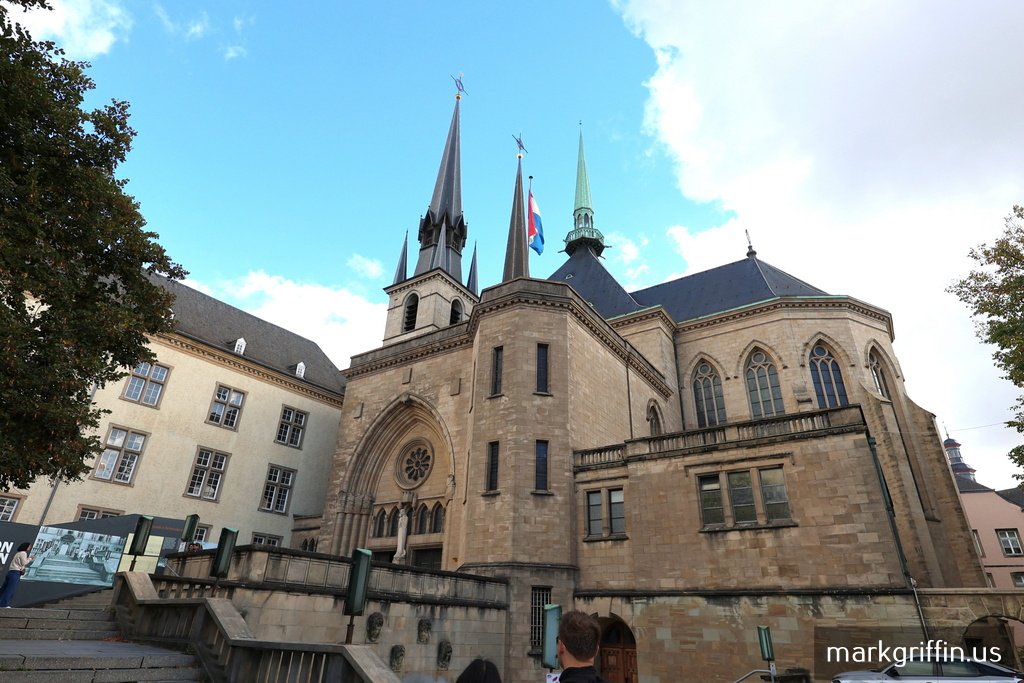
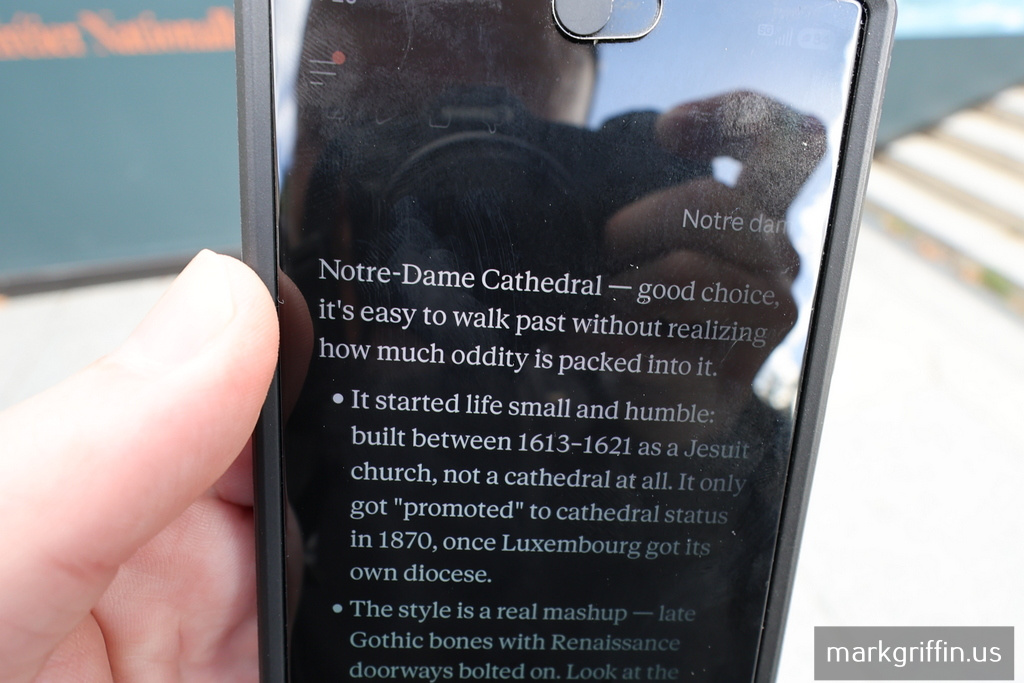
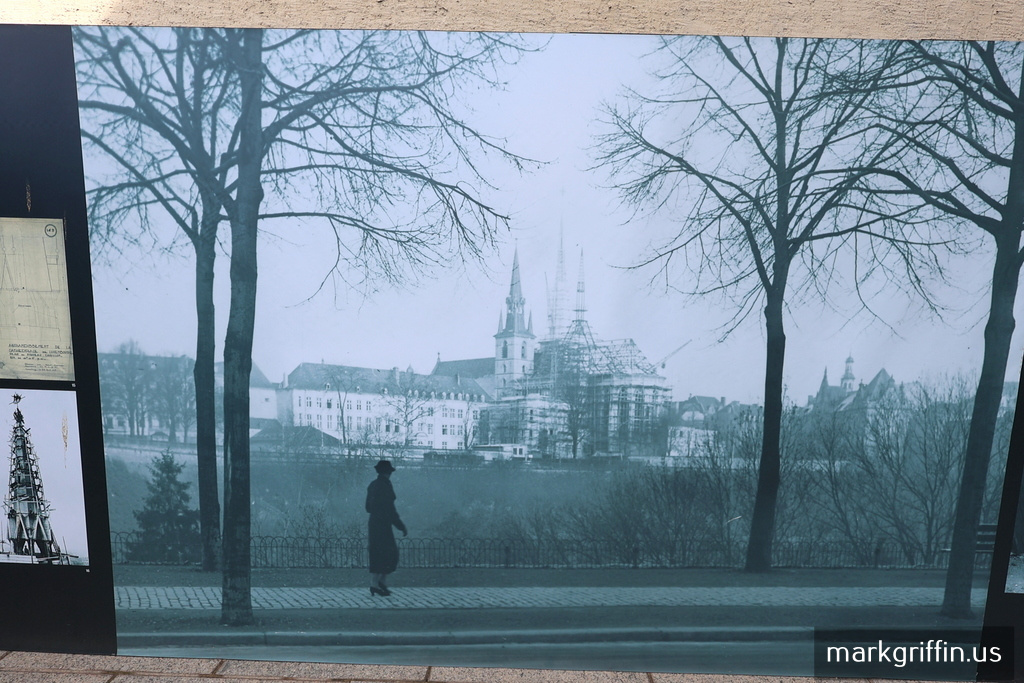
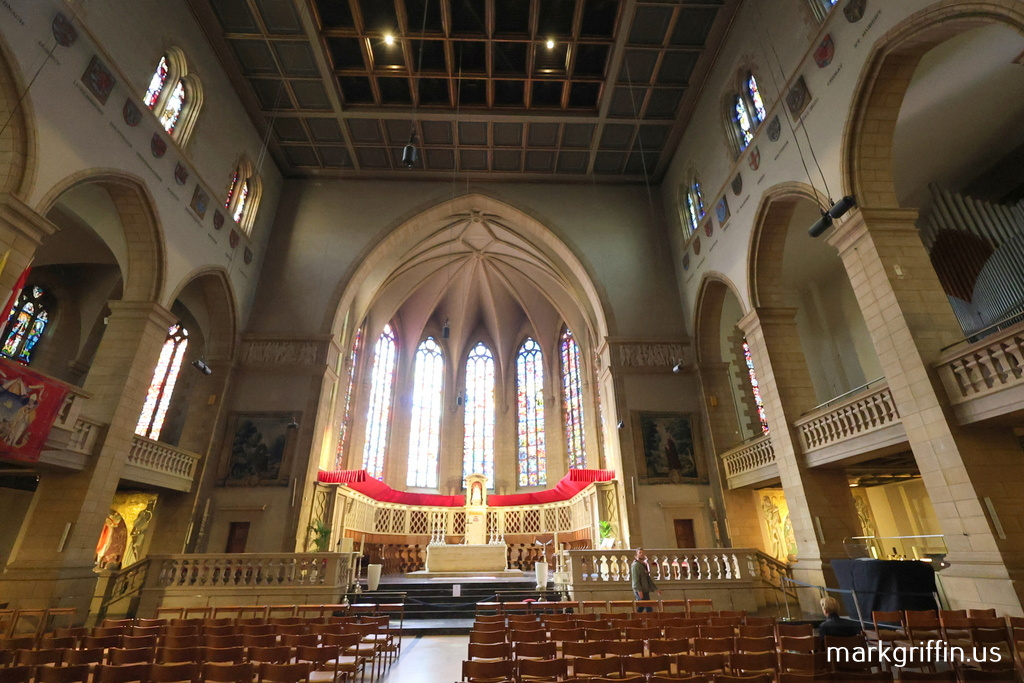
Ah the French Revolution. This square might look out of place, having this massive space left unused. That’s because this entire square sits on the site of a Franciscan monastery that stood here for roughly 600 years before it was demolished during the French Revolutionary occupation in the 1790s, when religious orders were suppressed and their property seized. So the “empty” open square you’re looking at is essentially unmarked monastery footprint.
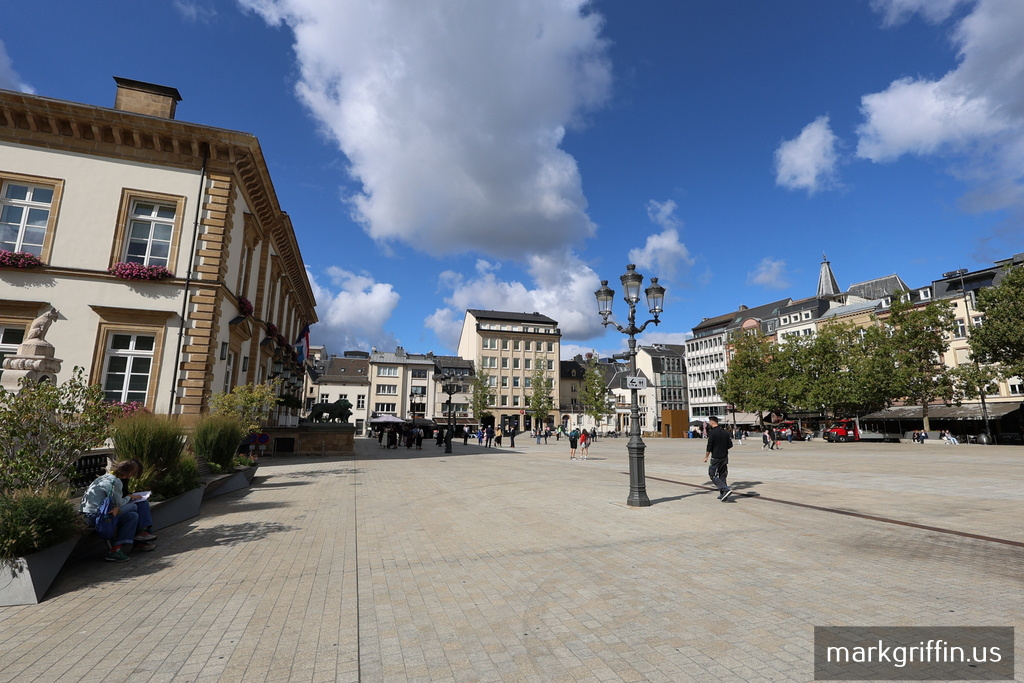
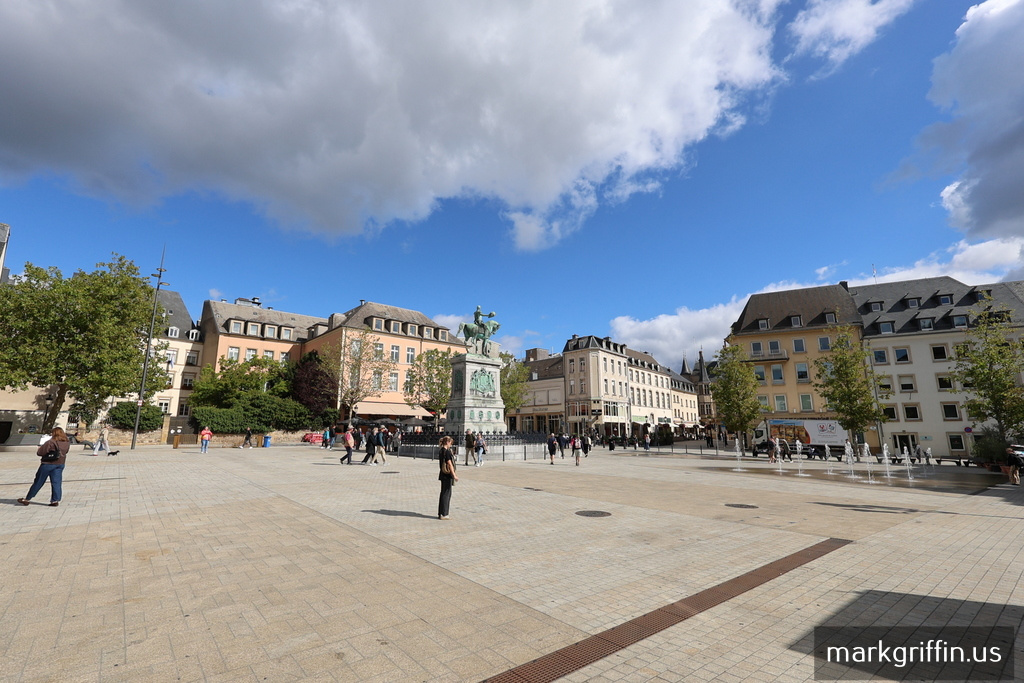
For those of you who are a bit rusty on the French Revolution, given how many cities we’ve seen this trip were impacted by it, here’s the short summary of it.
The revolutionary government’s secularization laws (starting around 1789–1792, then rigorously applied as French troops annexed new territory) dissolved monasteries, confiscated church property, and declared it “national property” to be sold off or repurposed. Demolition often followed simply because empty monastic buildings had no buyer, or because stone and materials were more valuable stripped and sold than preserved. a new secular state asserting that land, buildings, and wealth previously held by the Church now belonged to “the nation,” full stop. The demolitions and sell-offs were the administrative machinery of that idea being carried out, town by town, across everywhere French revolutionary control reached.
Liège actually has one of the most dramatic examples in the whole region. The Prince-Bishopric of Liège was abolished entirely in 1795, and its once-massive cathedral, St. Lambert’s, one of the largest Gothic cathedrals in Europe, was torn down almost completely in the 1790s. Today there’s just an open square (Place Saint-Lambert) with some excavated foundations visible underground, a very similar story to what happened here at this square.
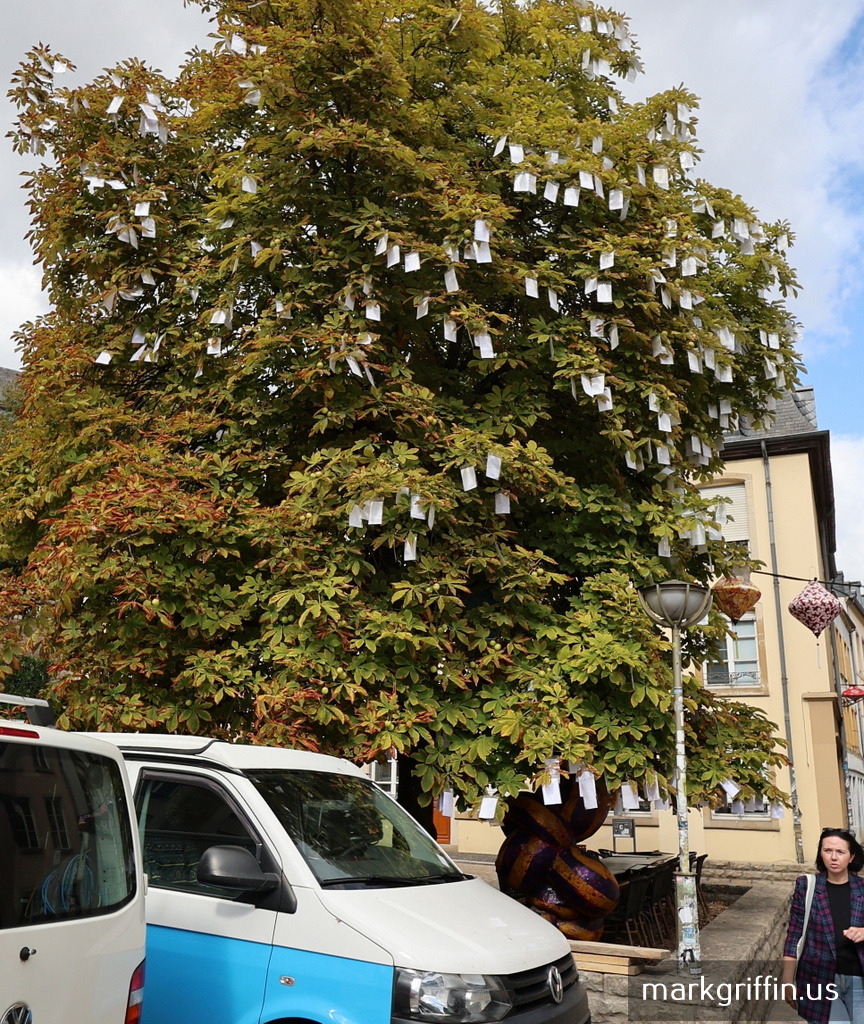
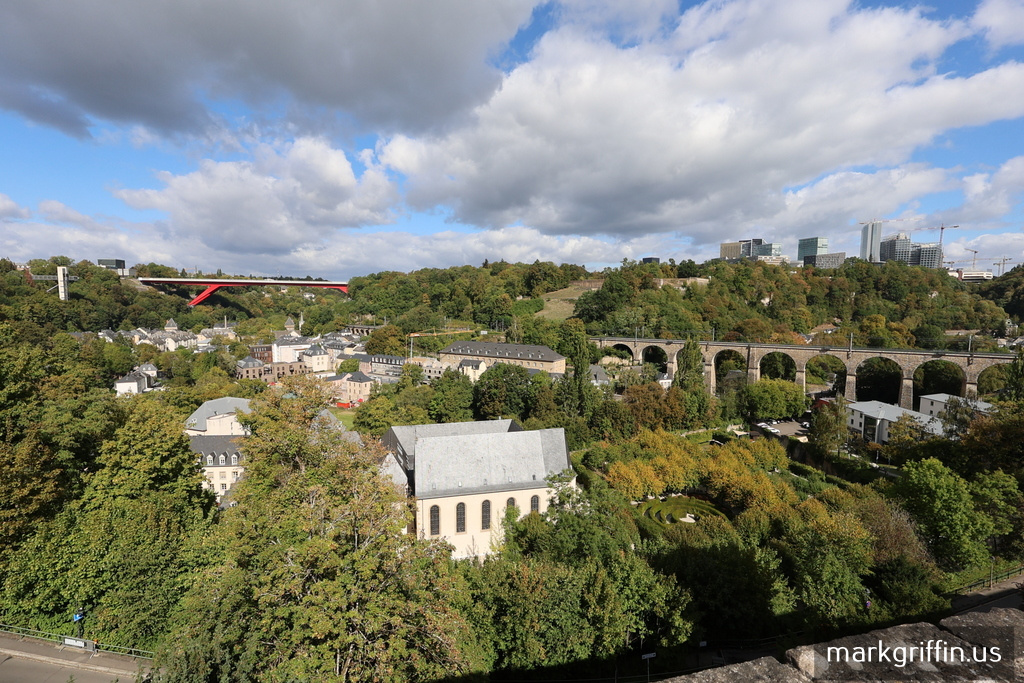
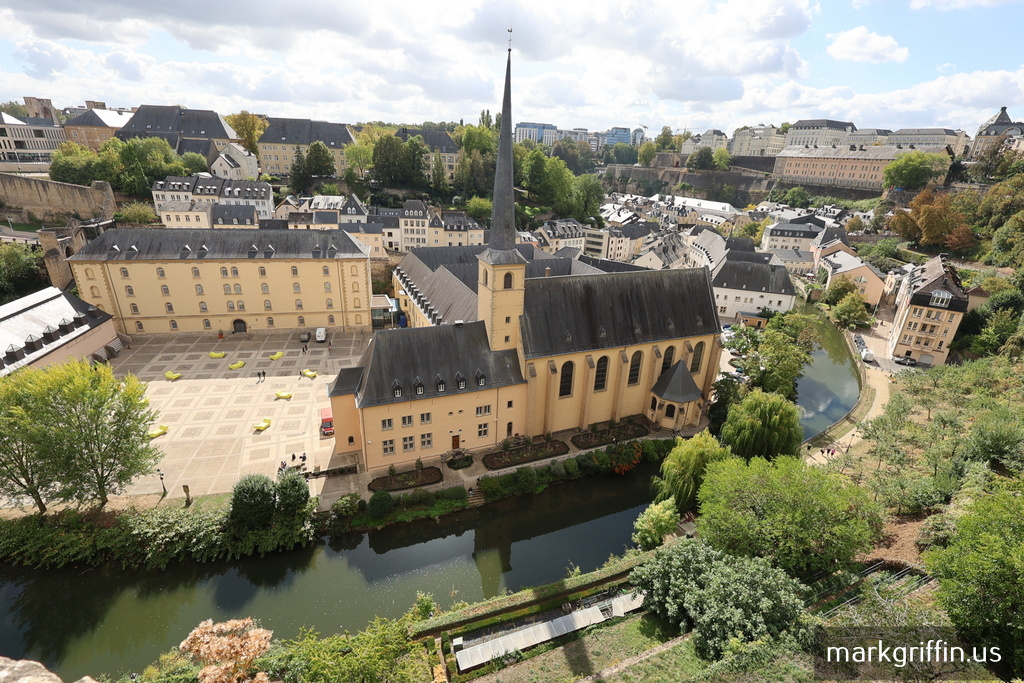
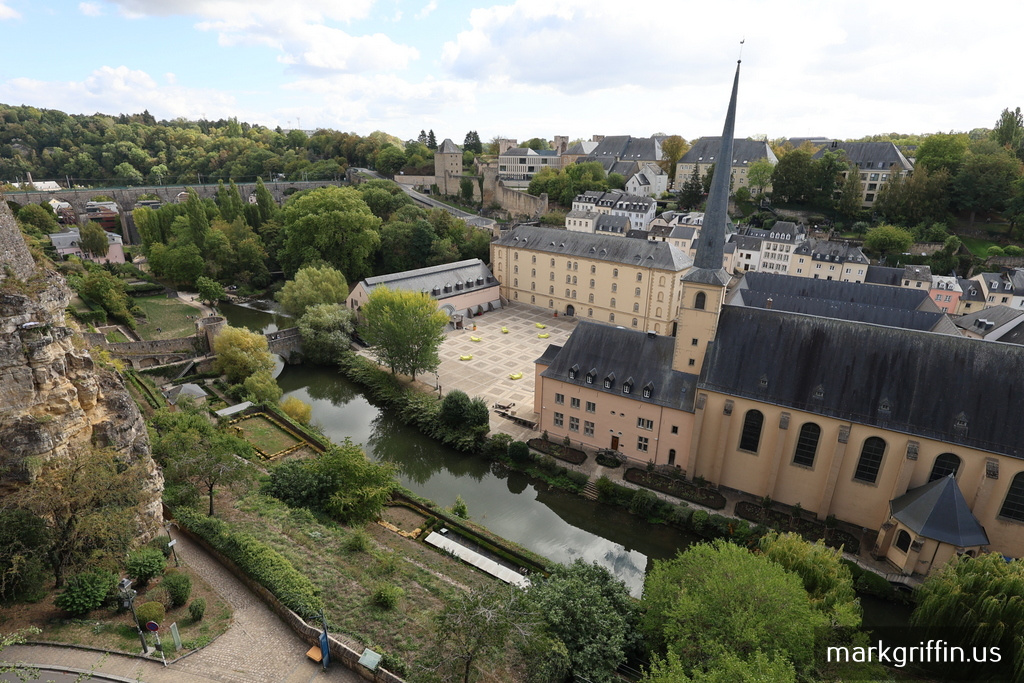
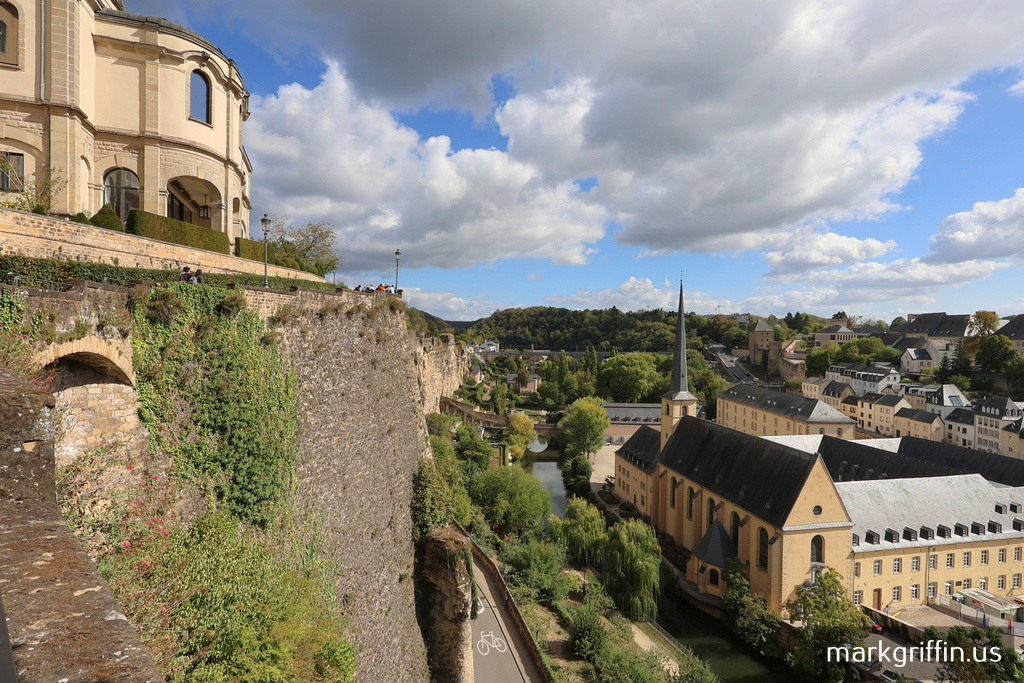
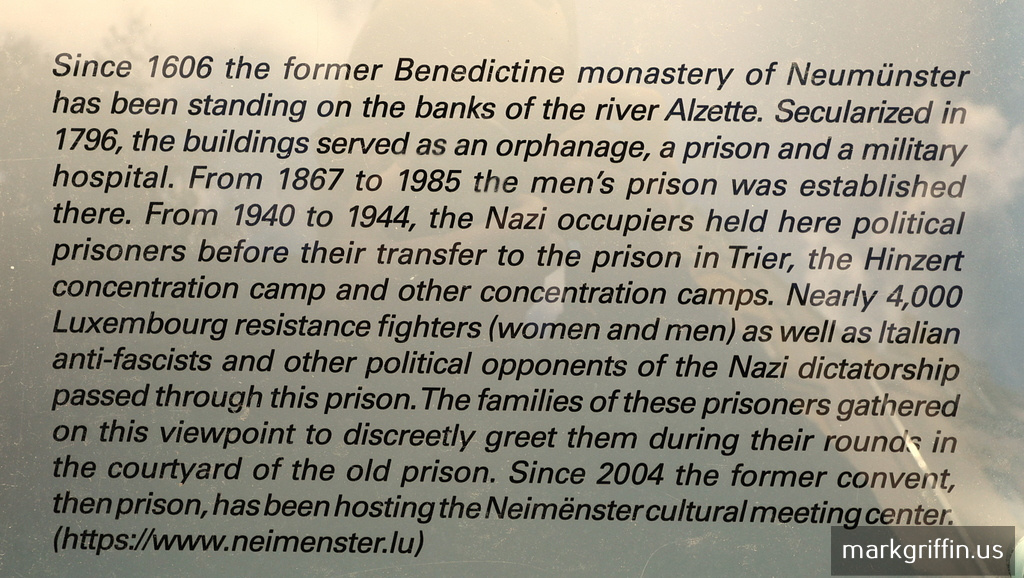
It is a stunning modern city. Another example of a day’s visit but no more.
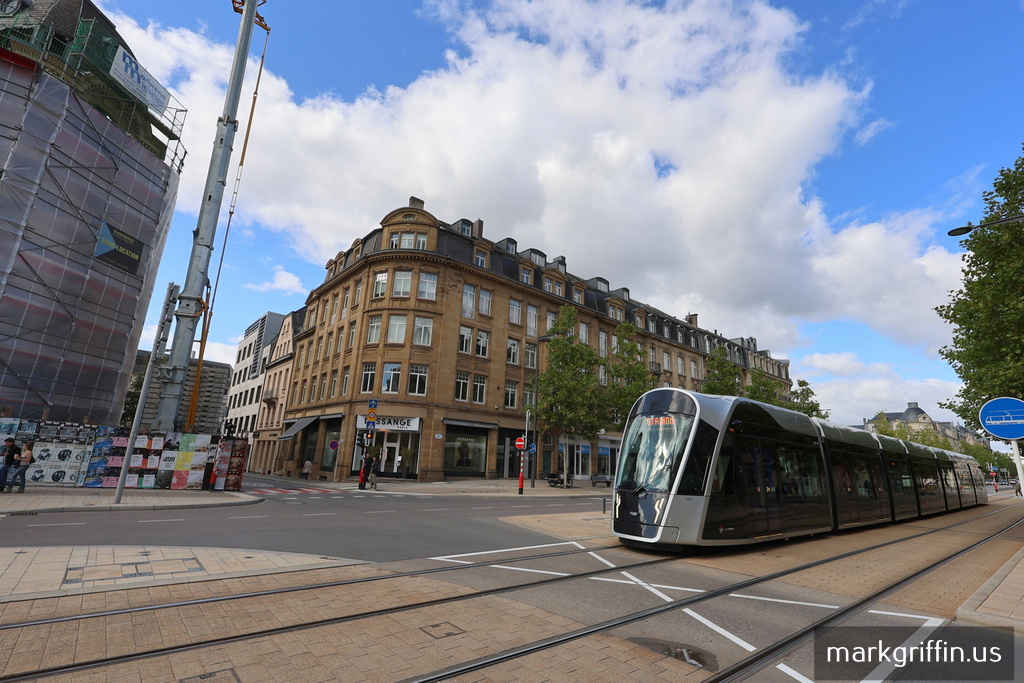
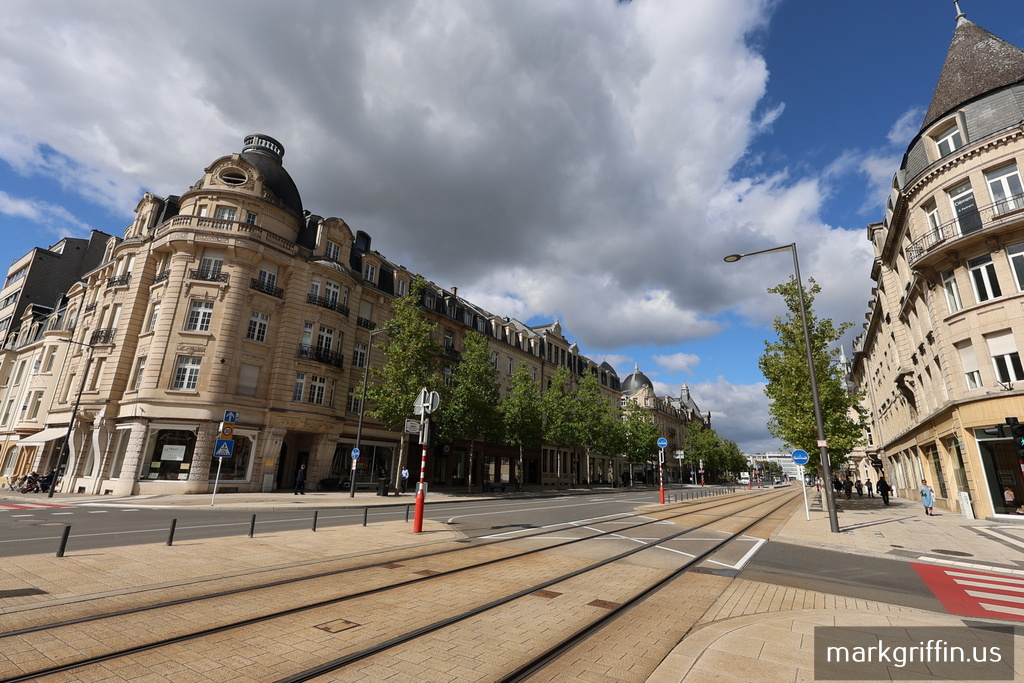
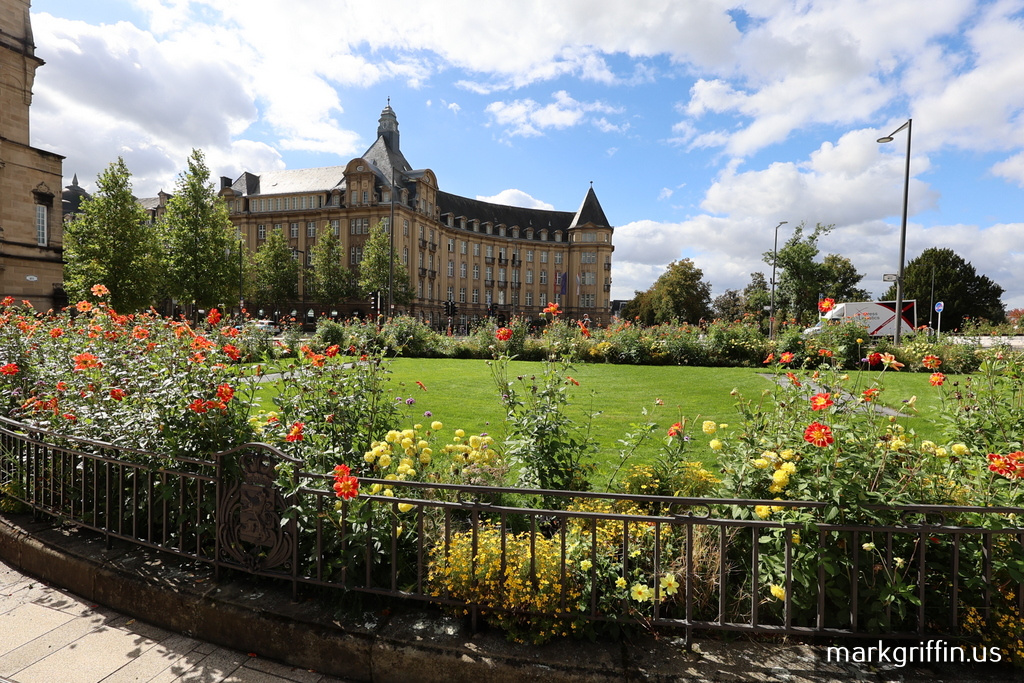
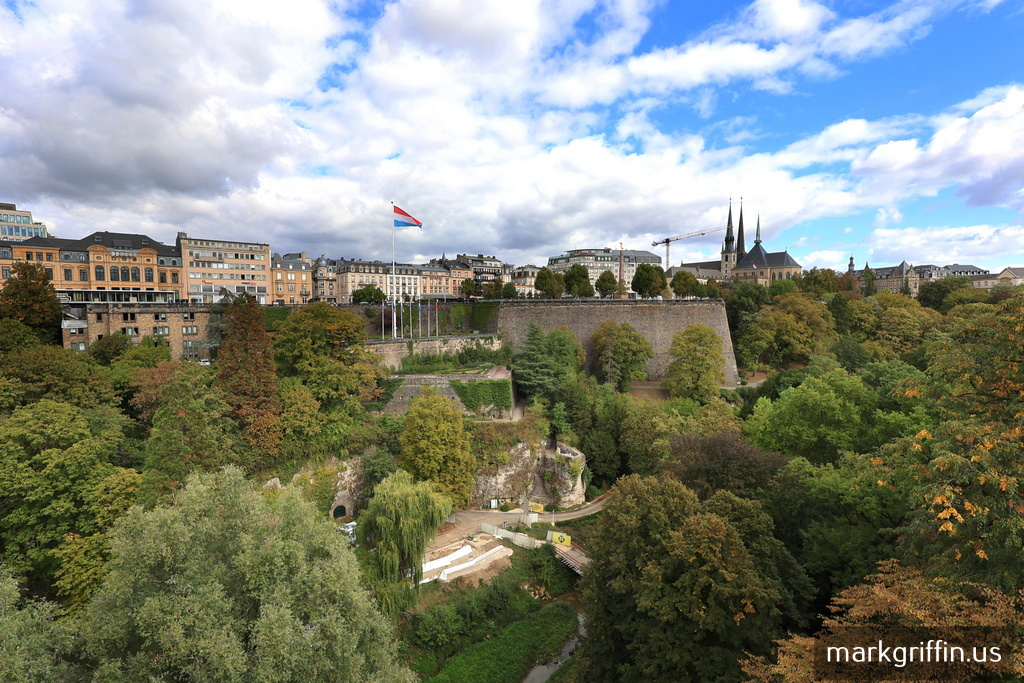
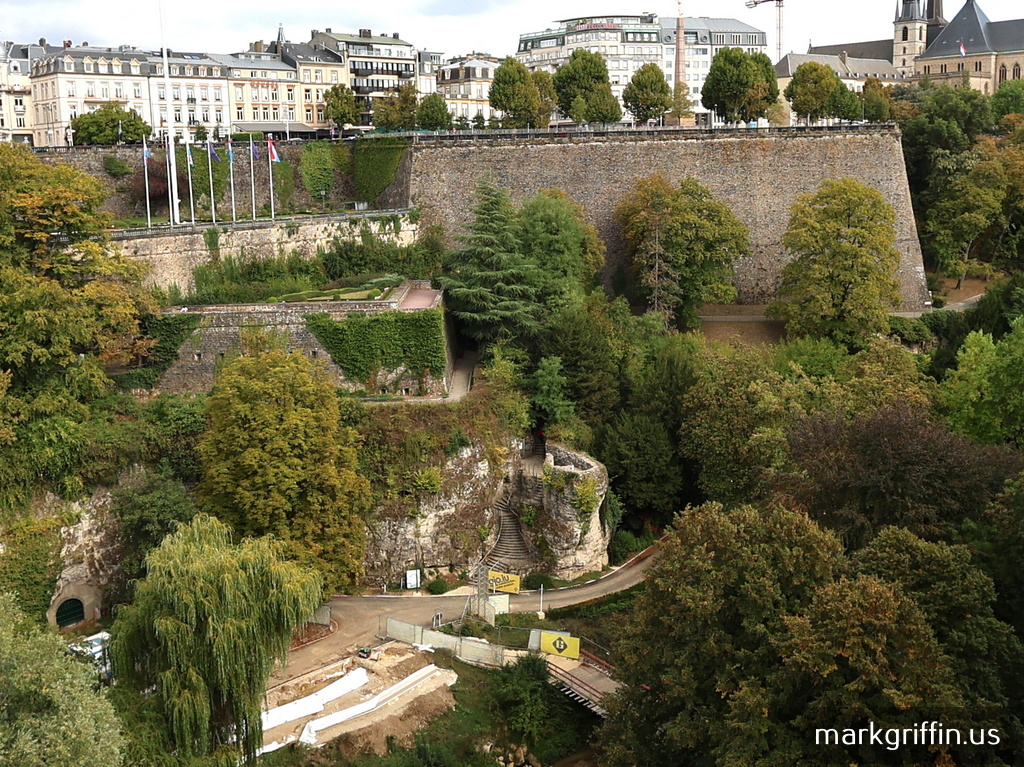
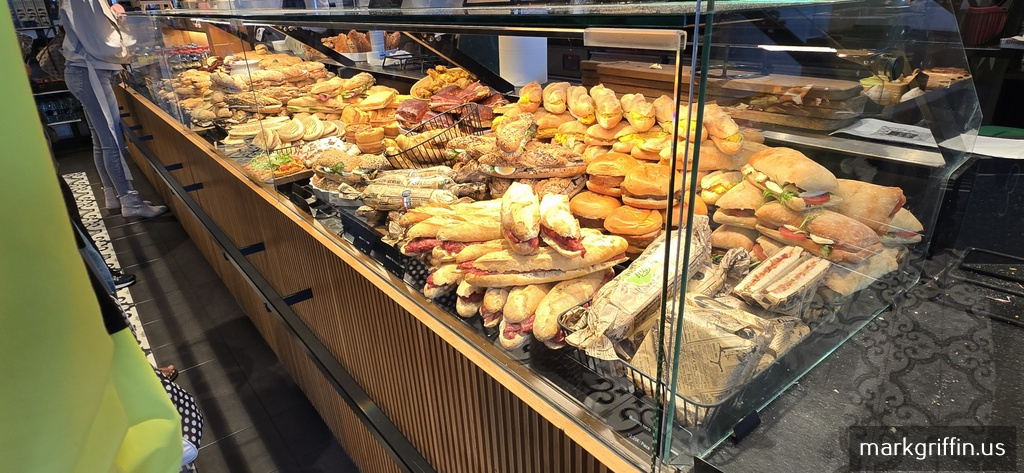
After so many days of action-packed walking (usually 8 miles a day), this is a nice, slower change of pace. Before heading home I have to stop off and see what yummies treats are in the cases.


In retrospect, I should have flown home from here. It would have been a simple transfer from the train station to the airport. 2.5 hours back to the hotel. More time to enjoy the beautiful countryside.