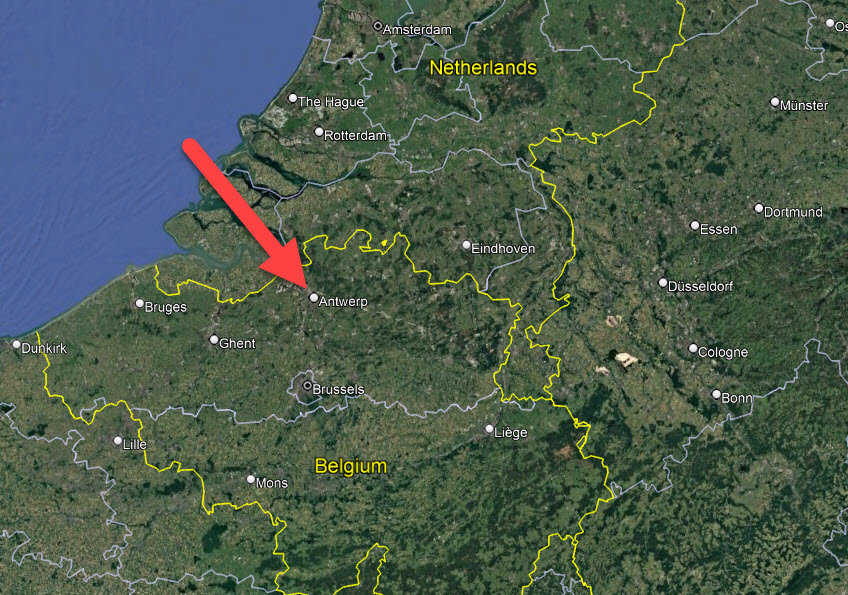
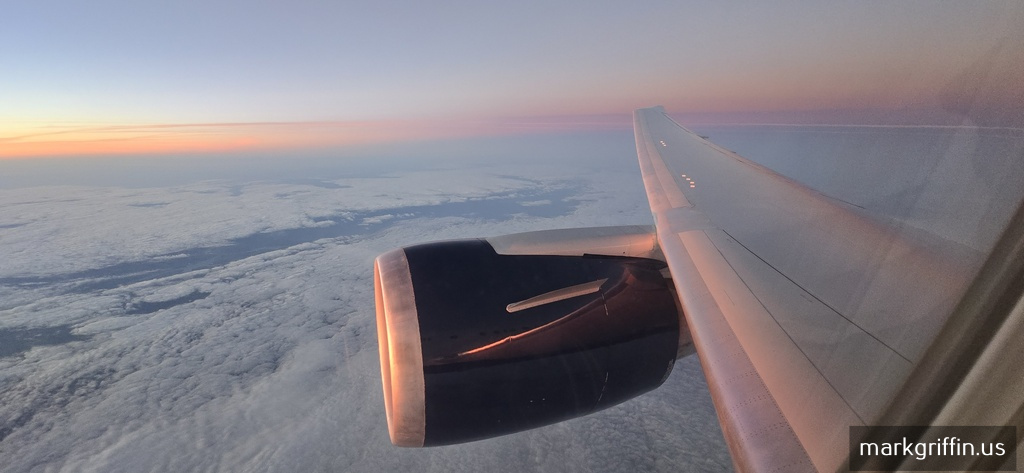
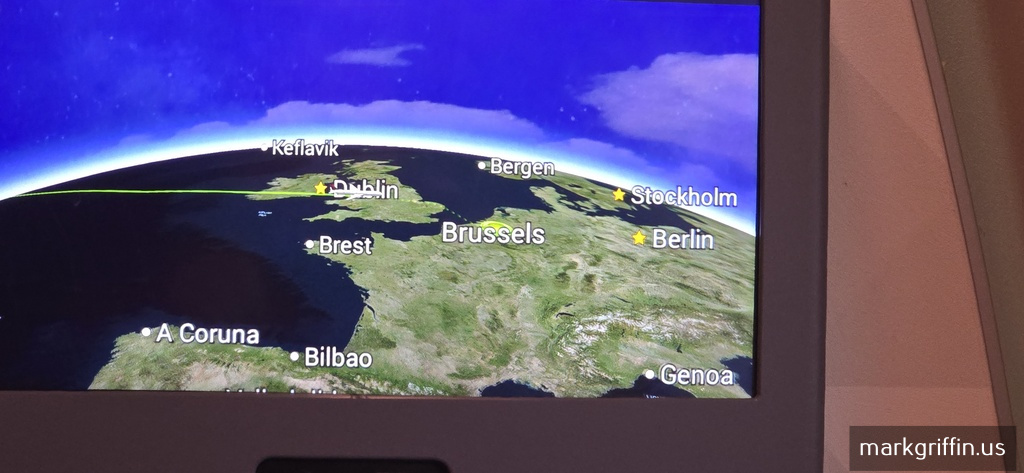
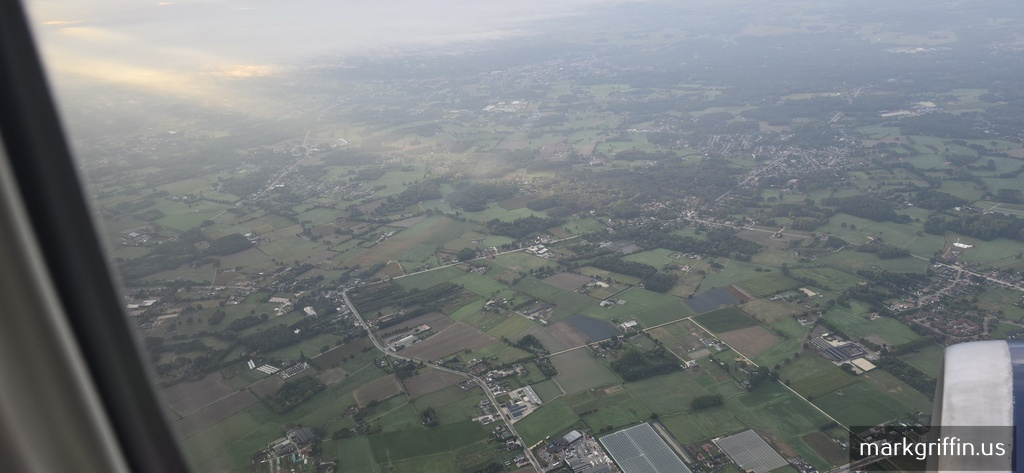
Finally, we’re in Belgium airspace.
Ever wonder what Belgium is like? Farmland.
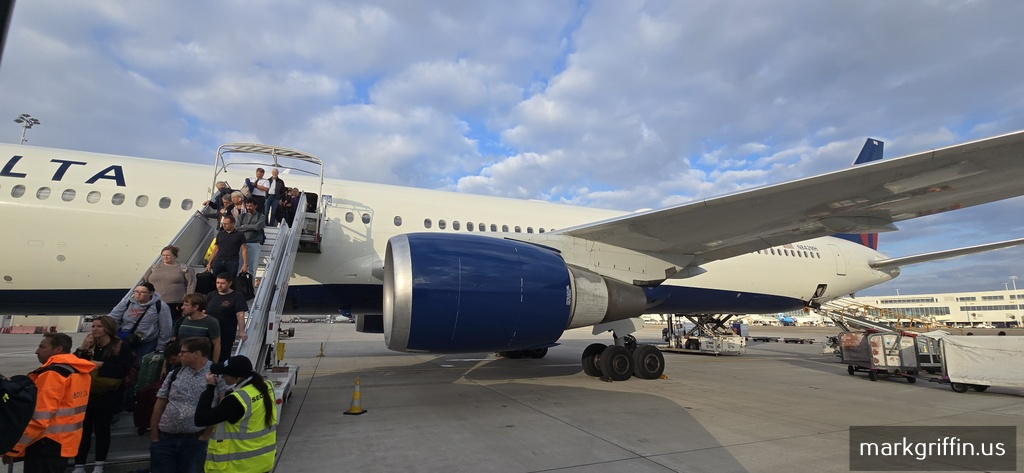
Delta operates one flight a day. Yesterdays passengers received an email they wouldn’t he coming home that day. As there is the standard flight due to land at any minute and we’re the extra flight, we get demoted to remote parking which means ramp deboarding.
The part of the trip I’ve been anxious about the most. Europe has a new entry exit program. The horror stories are legendary. People standing in line for 2-4 hours. I’m one of the first people off the plane so it worries me when I see airport staff with pallets of water bottles.
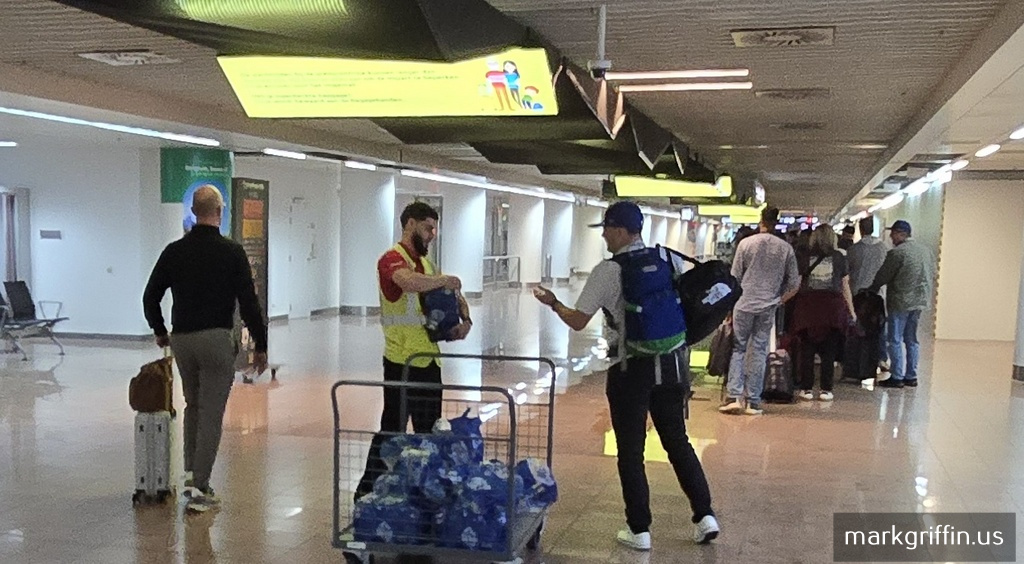
This guy summarizes what we’re all thinking… where is the front of the line?
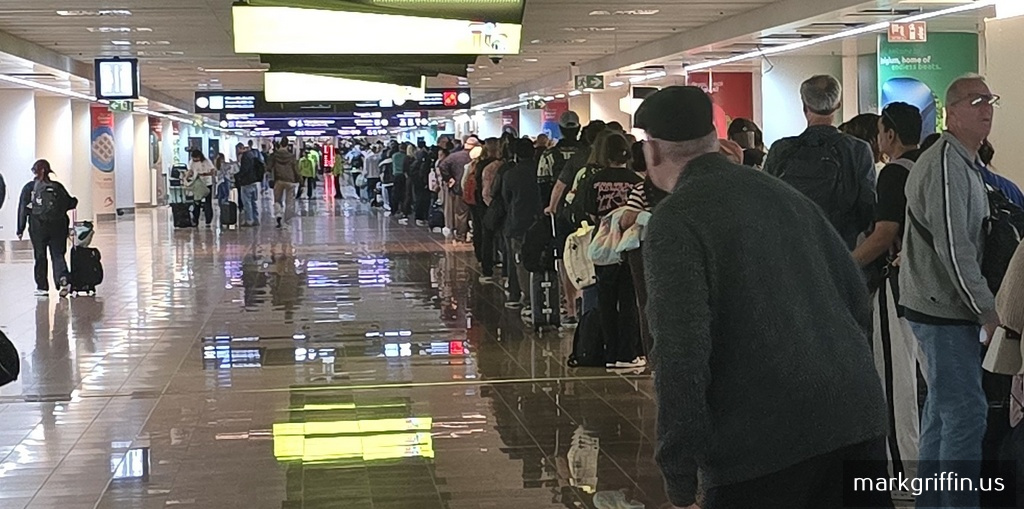
Might as well enjoy some of the fun art while we wait.
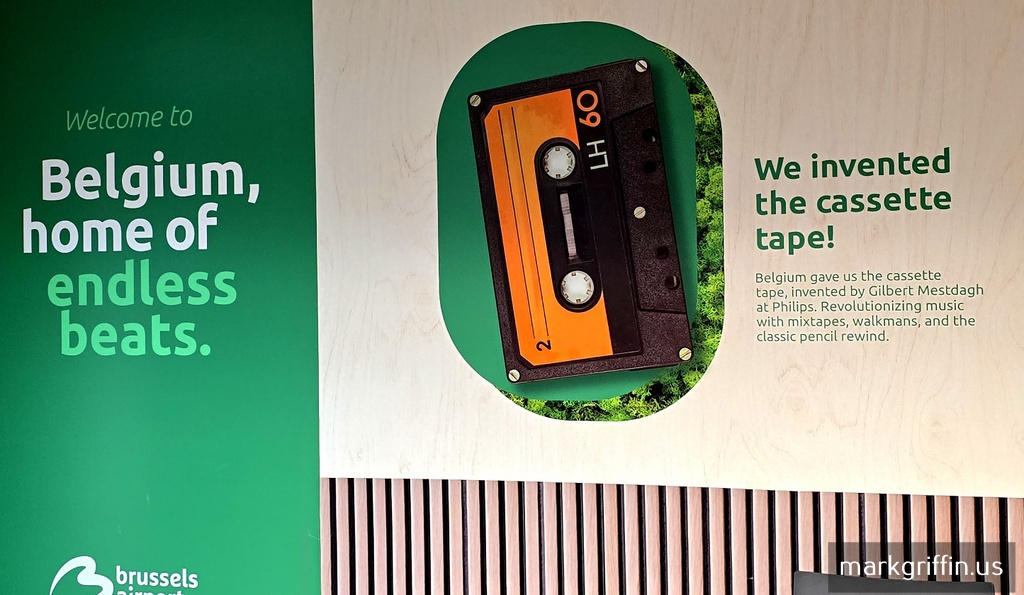
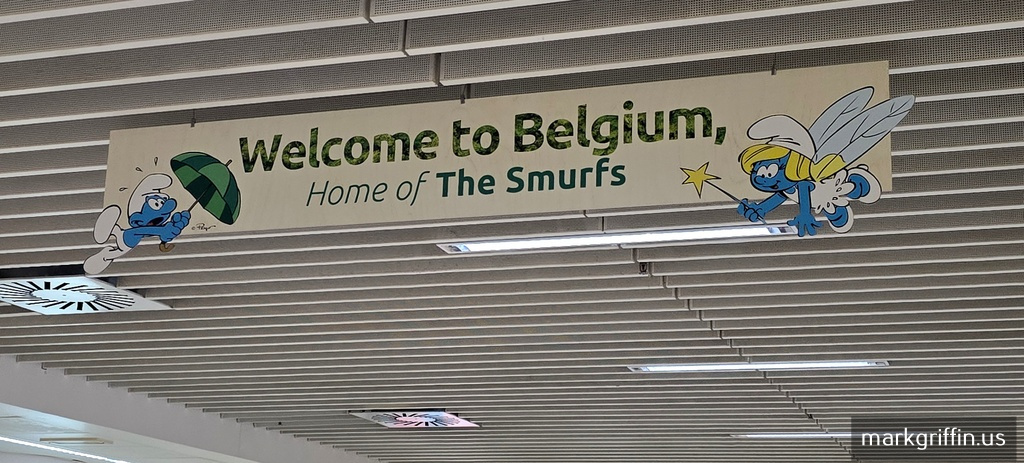
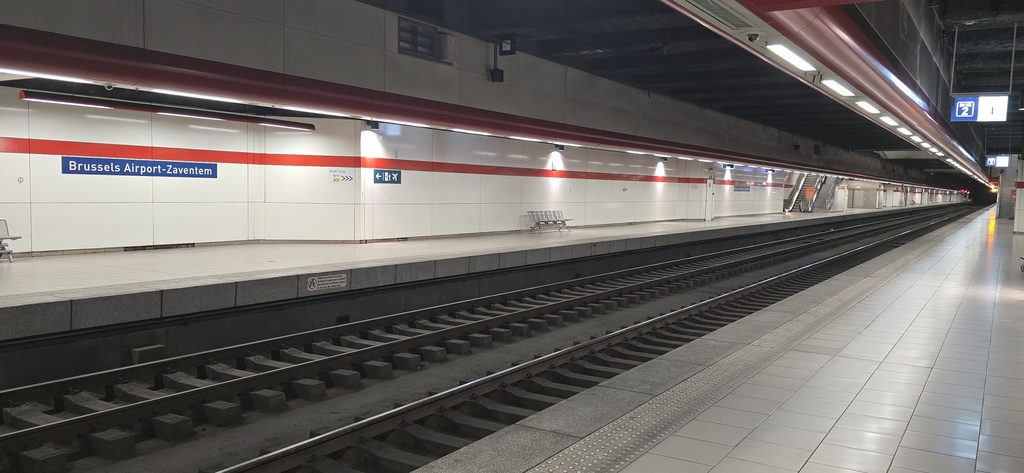
For security reasons they didn’t let me take photos as I got closer. 2 hour to exit. Either way, that’s over now so we can begin the journey. Time to jump on the train and head the 45 minutes north to Antwerp.
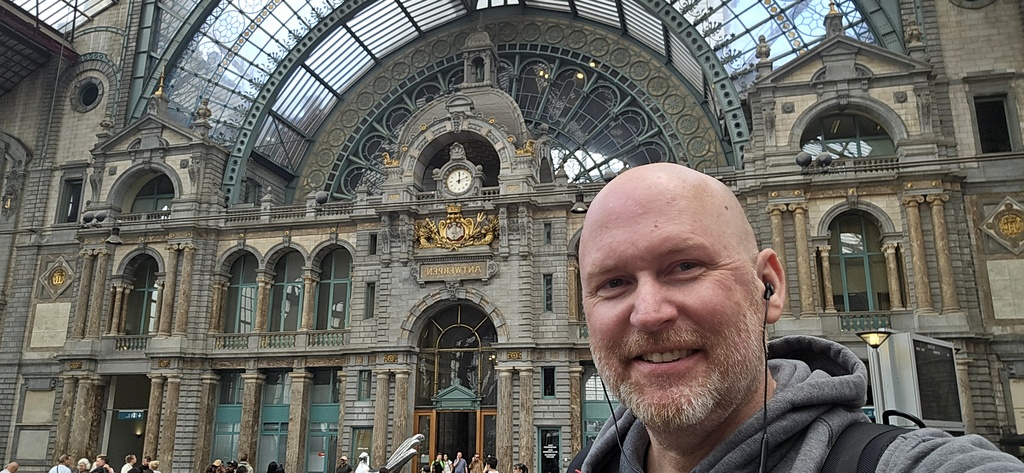
Welcome to Antwerp, Belgium’s second city. It’s a place where history quite literally glitters. In the 16th century, Antwerp was the wealthiest port in Europe, a global trading hub where spices, silver, and ideas flowed through its harbor on the Scheldt River. That golden age gave the city its Gothic masterpiece, the Cathedral of Our Lady, and drew famous painter Peter Paul Rubens, whose Baroque paintings still hang in the churches and museums he once called home.
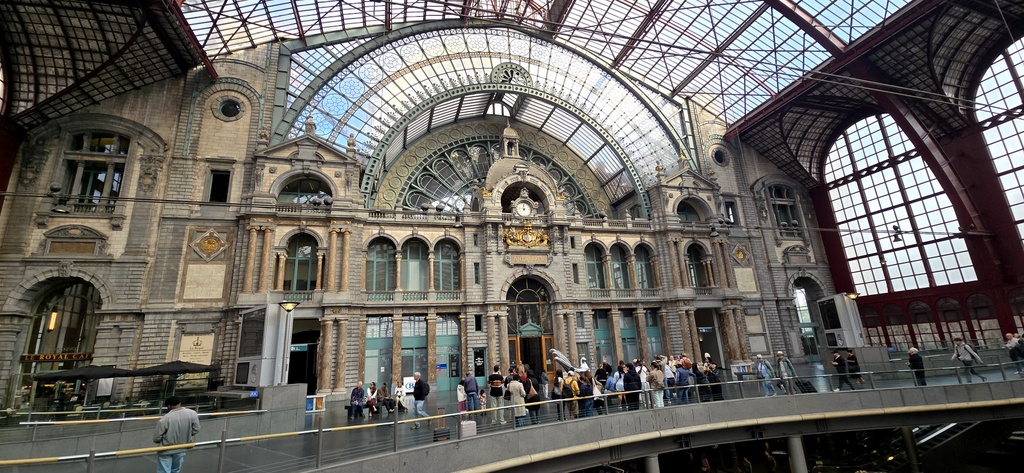
Antwerp’s other claim to fame runs deeper than paint: diamonds.This history explains how the city has arguably the most beautiful train station in all of Europe.
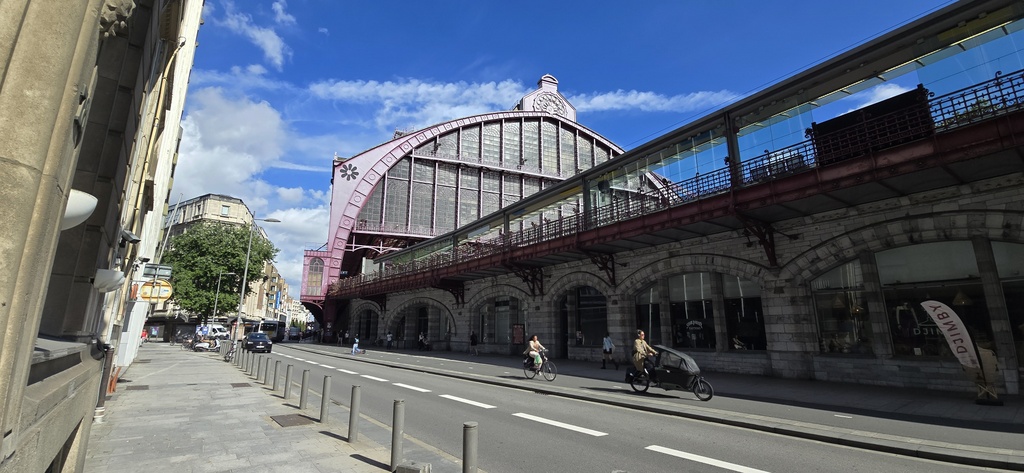
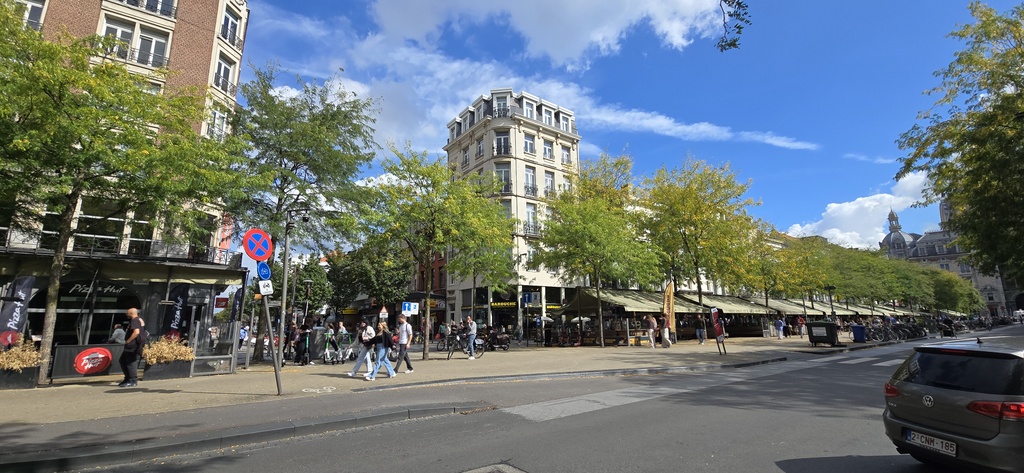
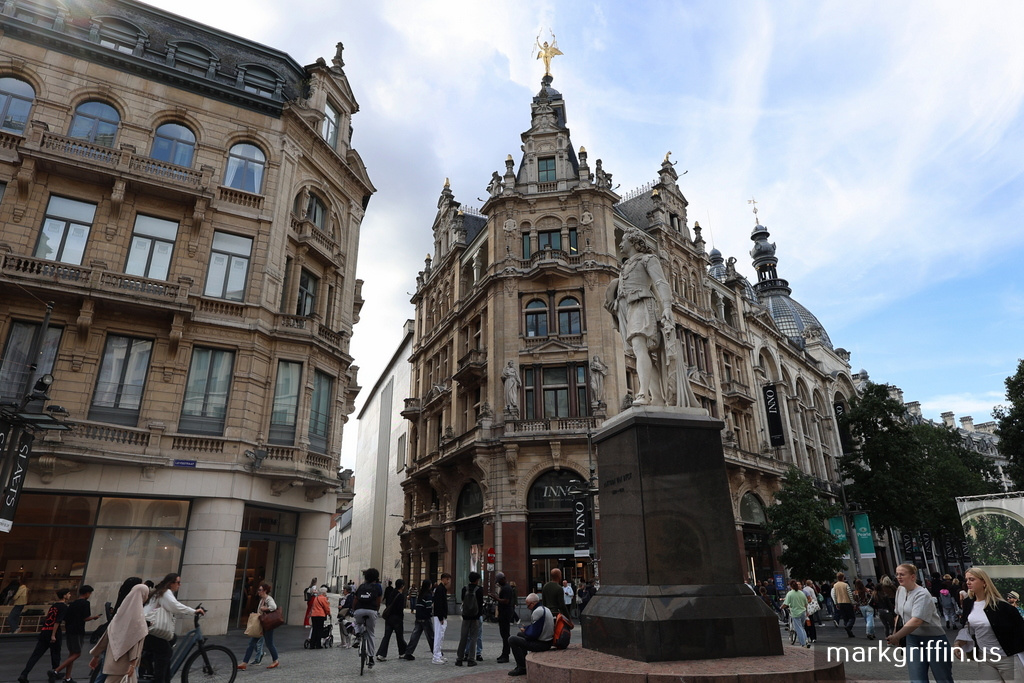
A quick hotel check-in and its time to explore the city. The coffee / cafe culture is strong here.
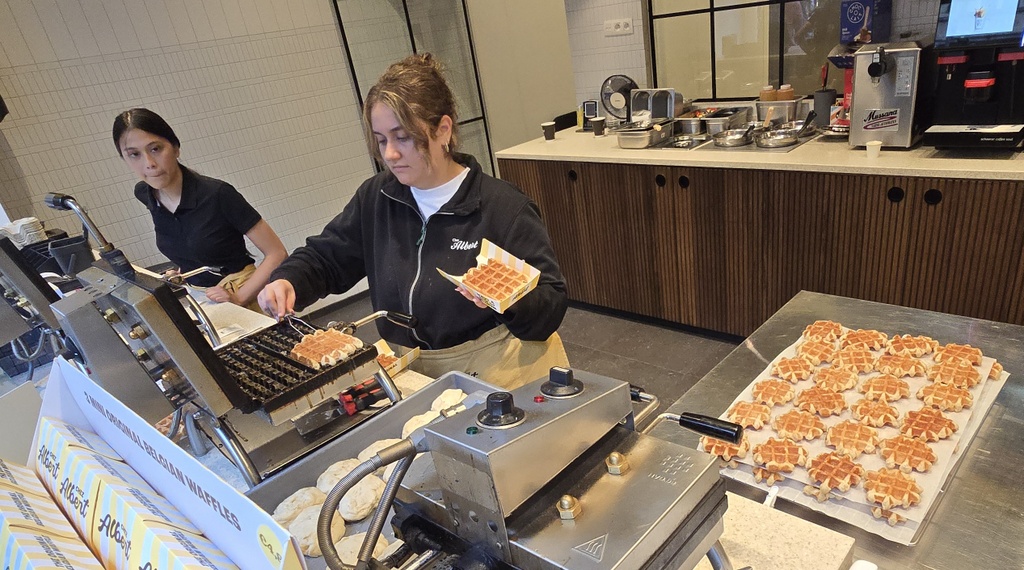
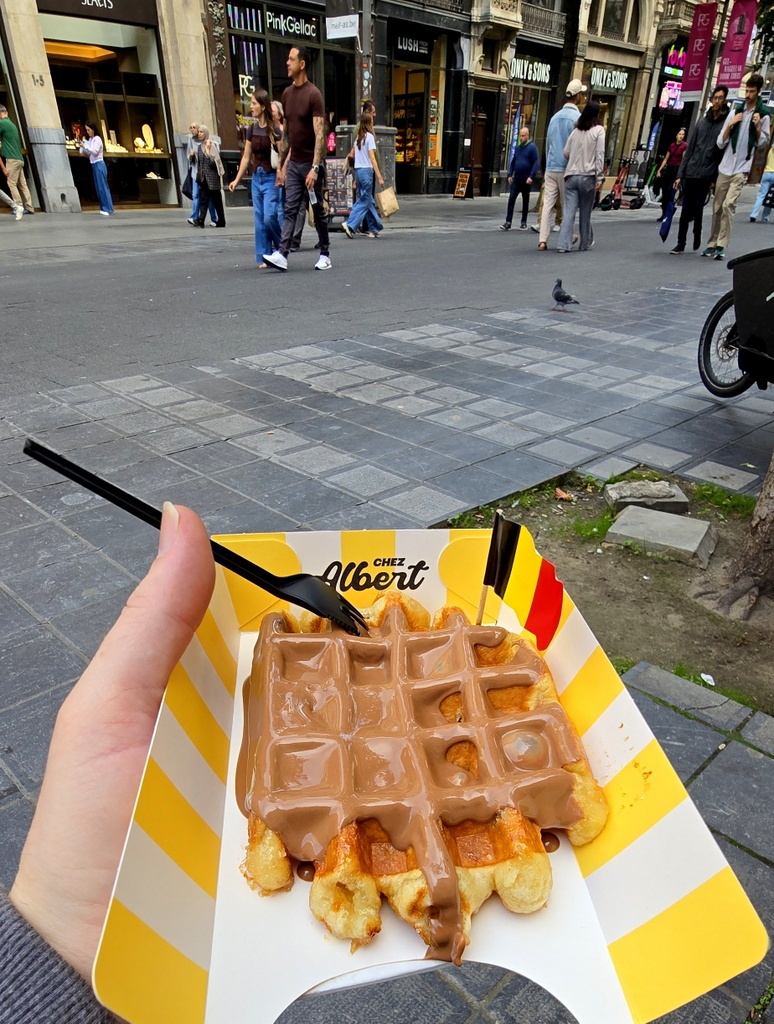
Of course the first thing I must sample is a waffle
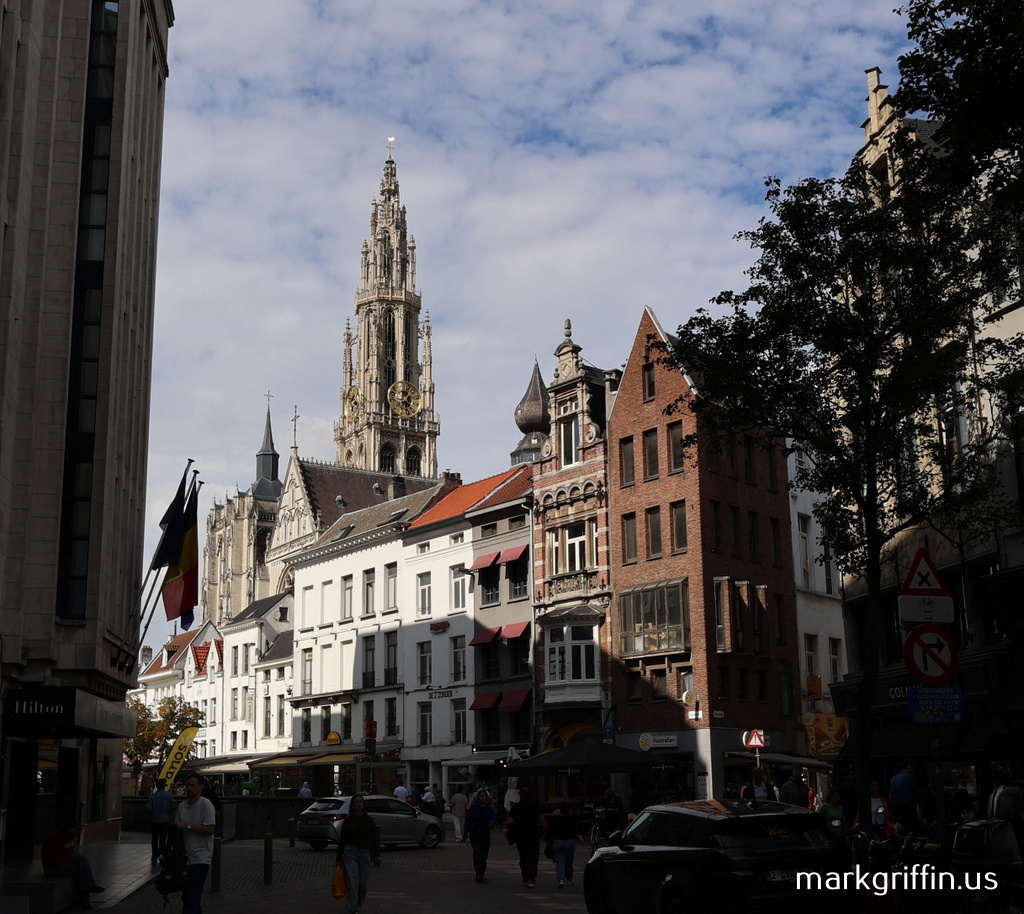
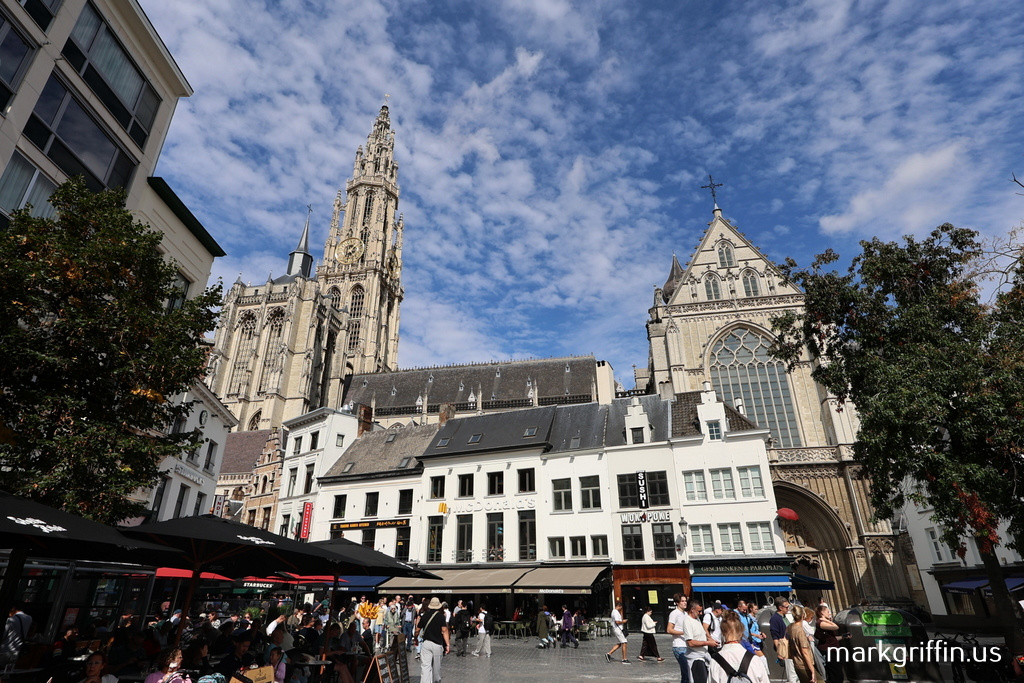
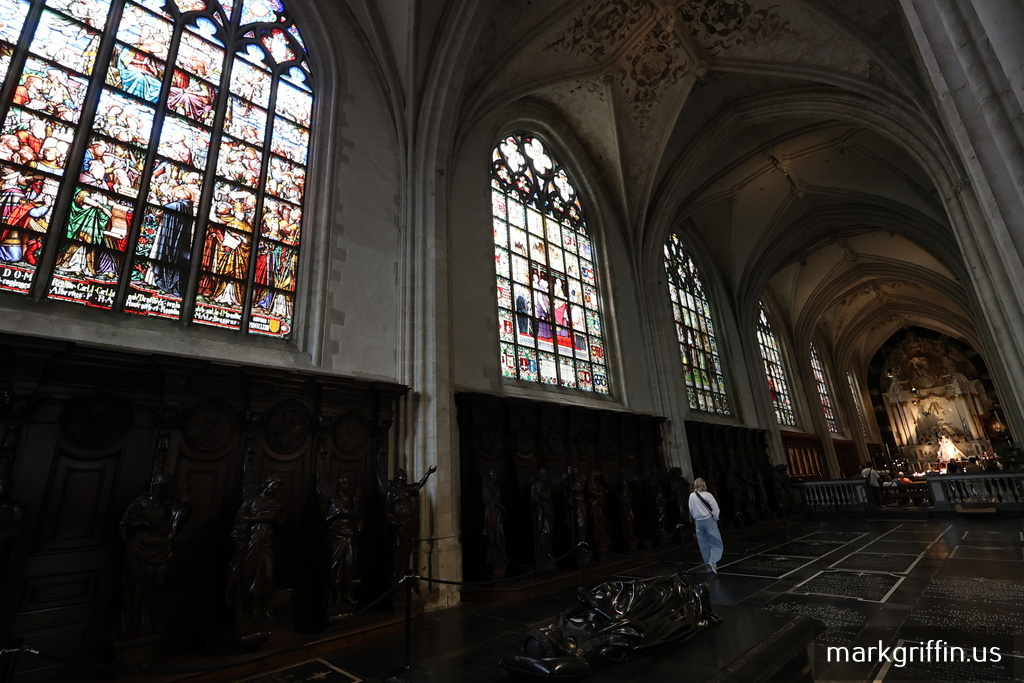
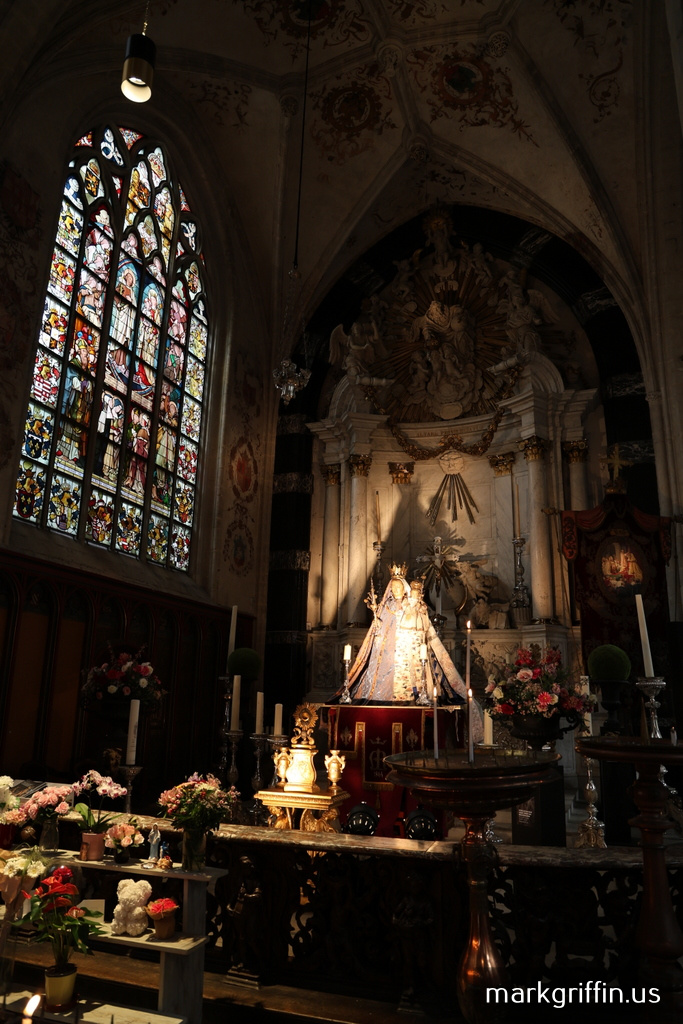
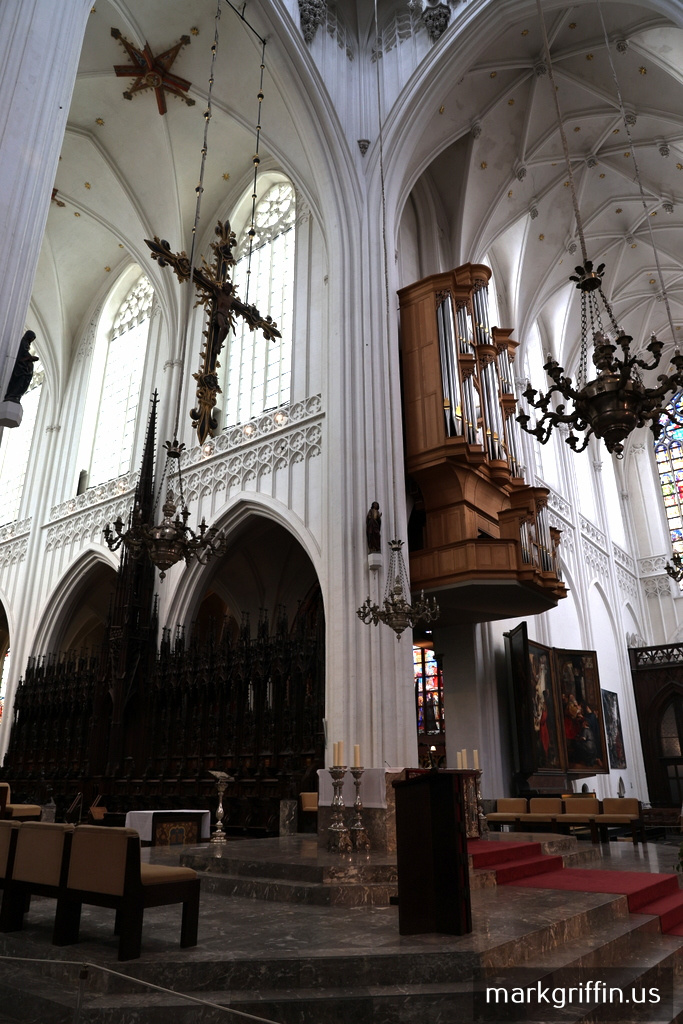
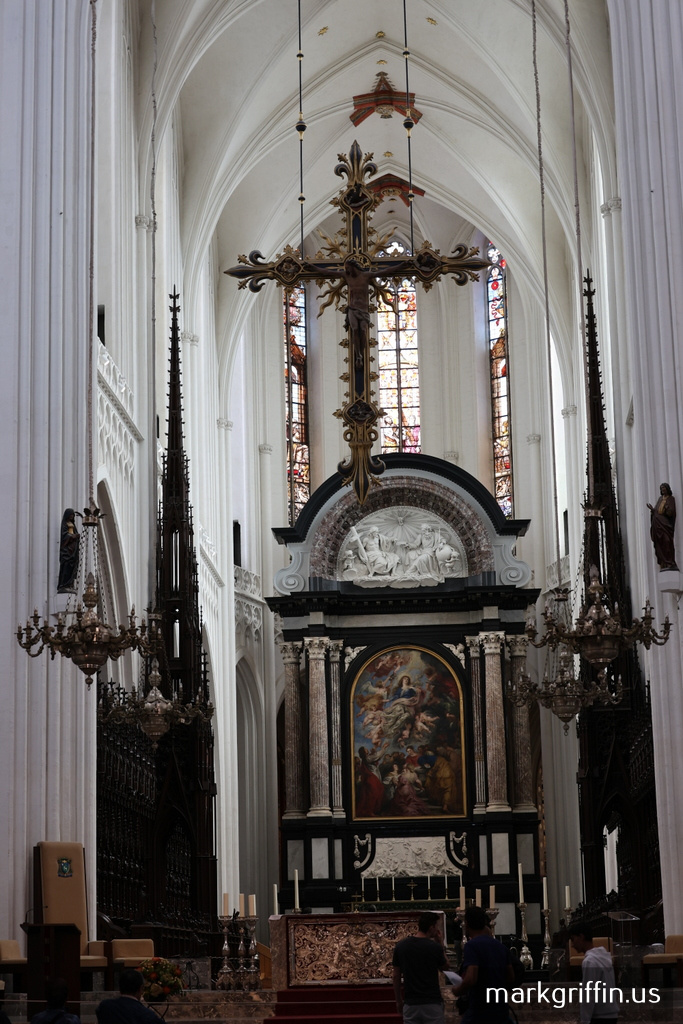
Strolling around town I turn a corner and see the spirals of the Cathedral of Our Lady.
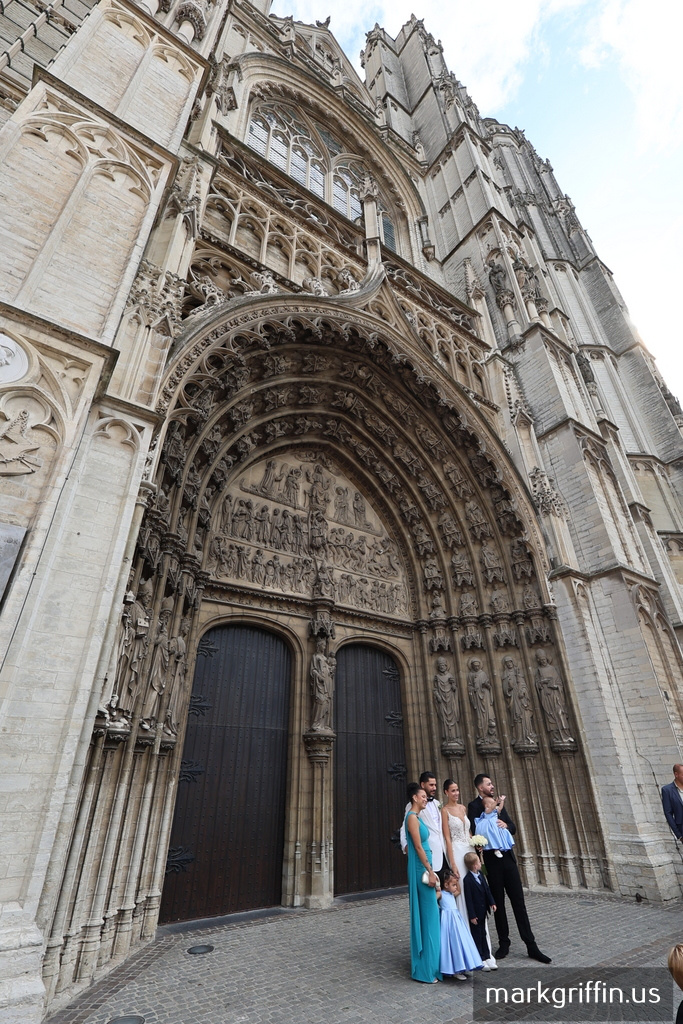
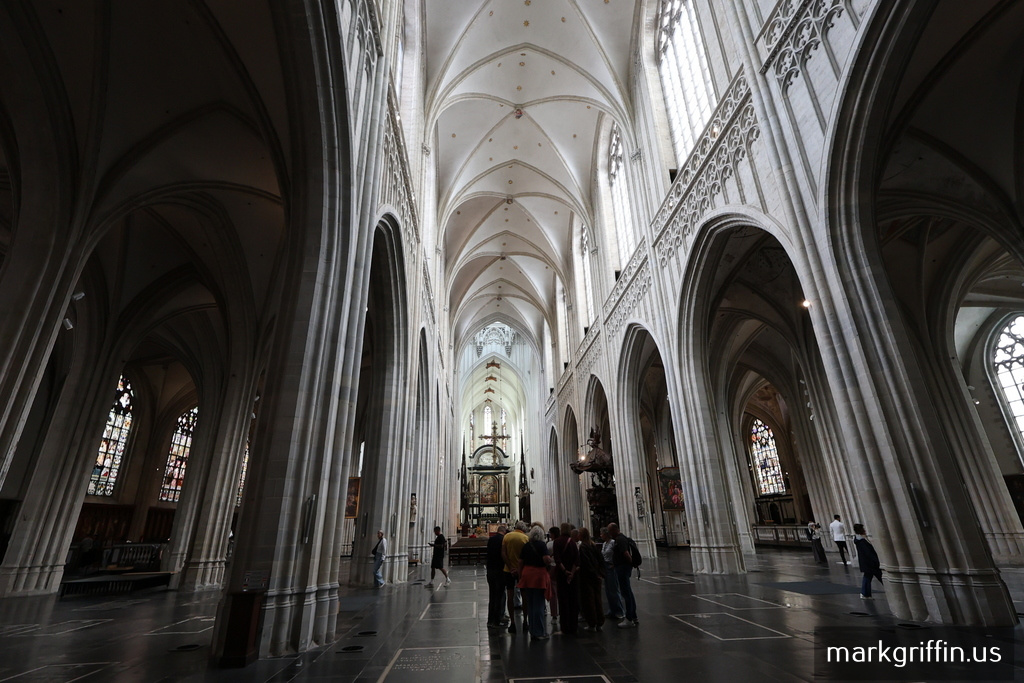
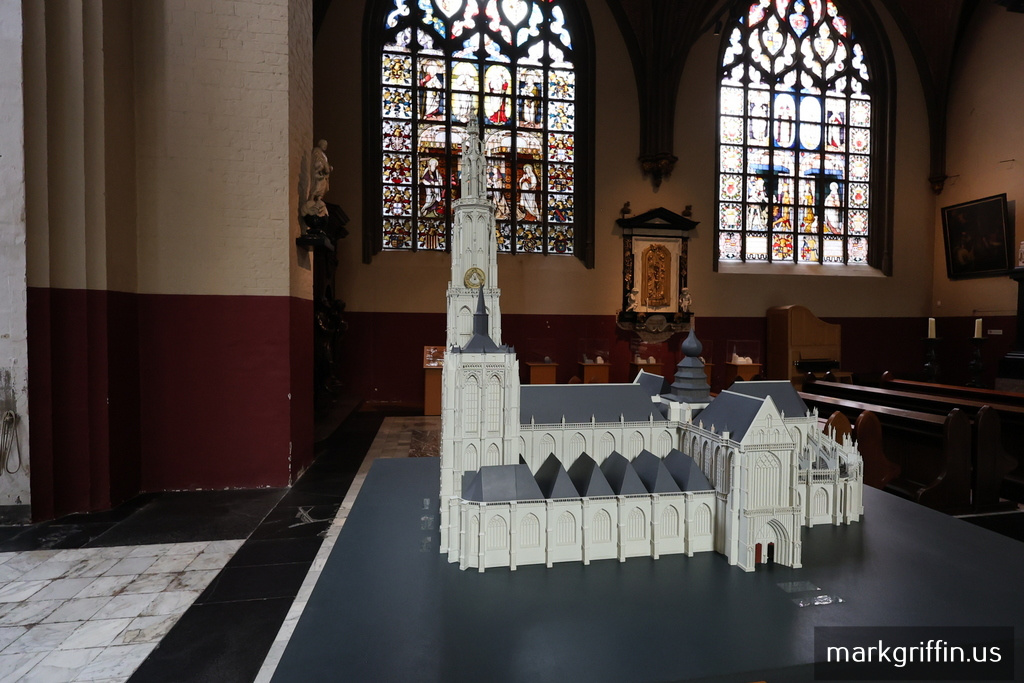
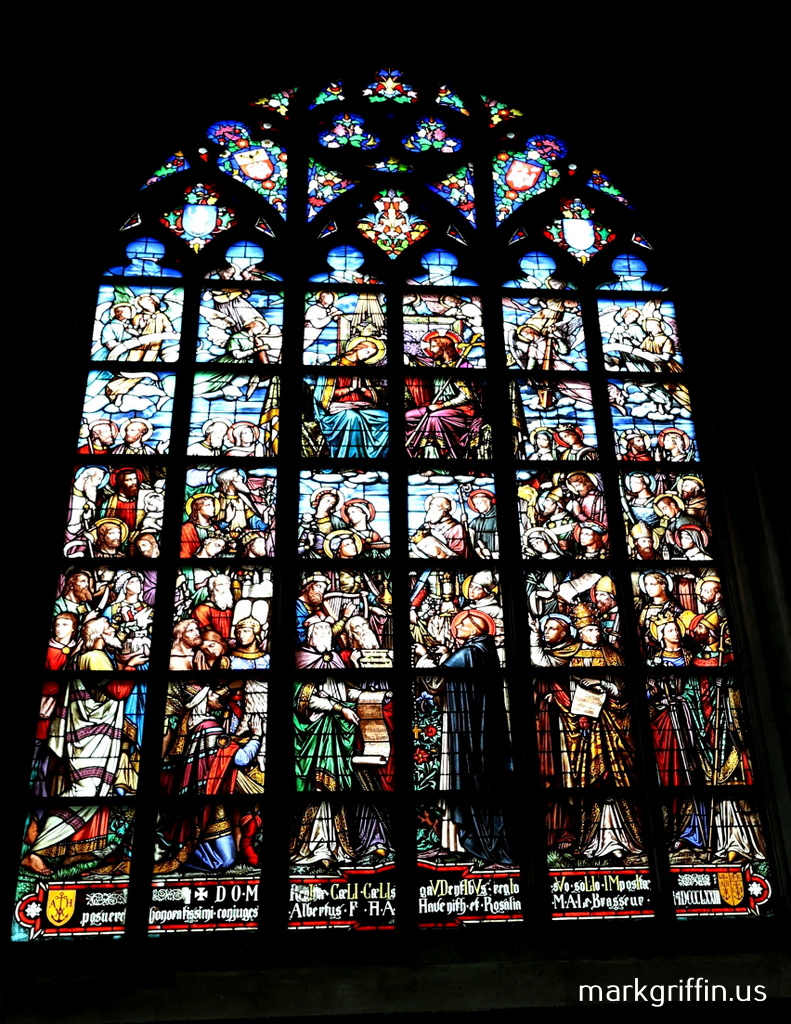
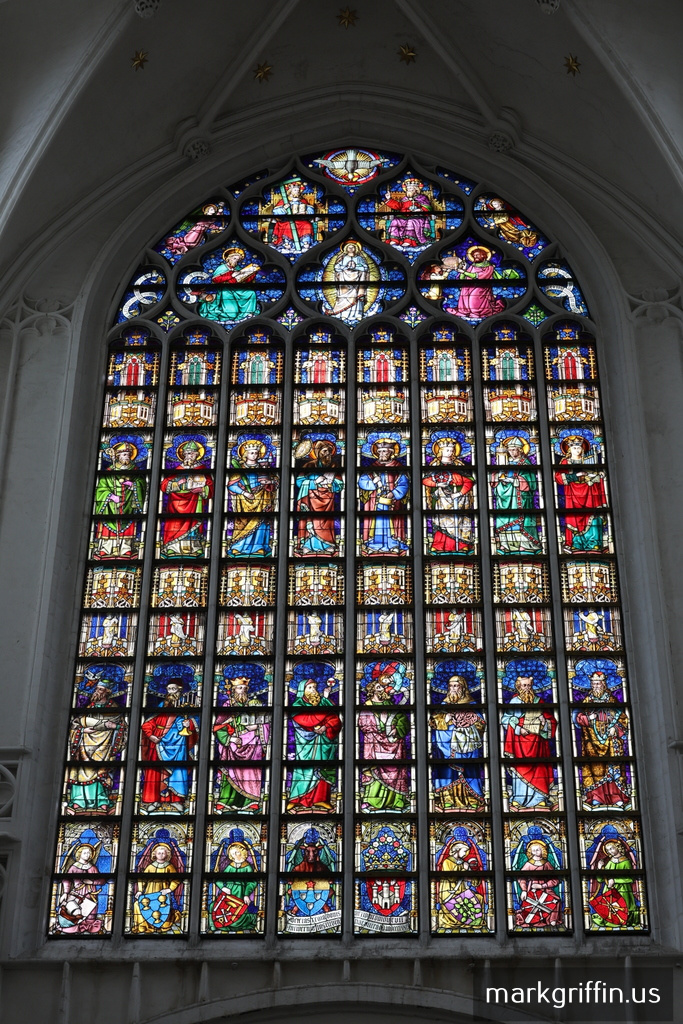
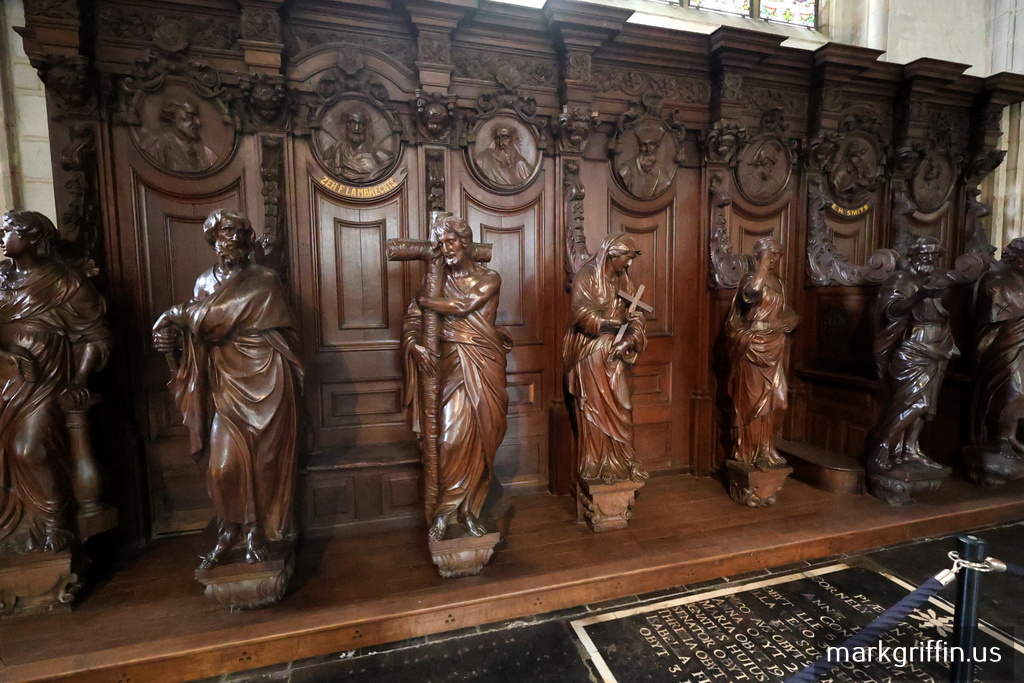
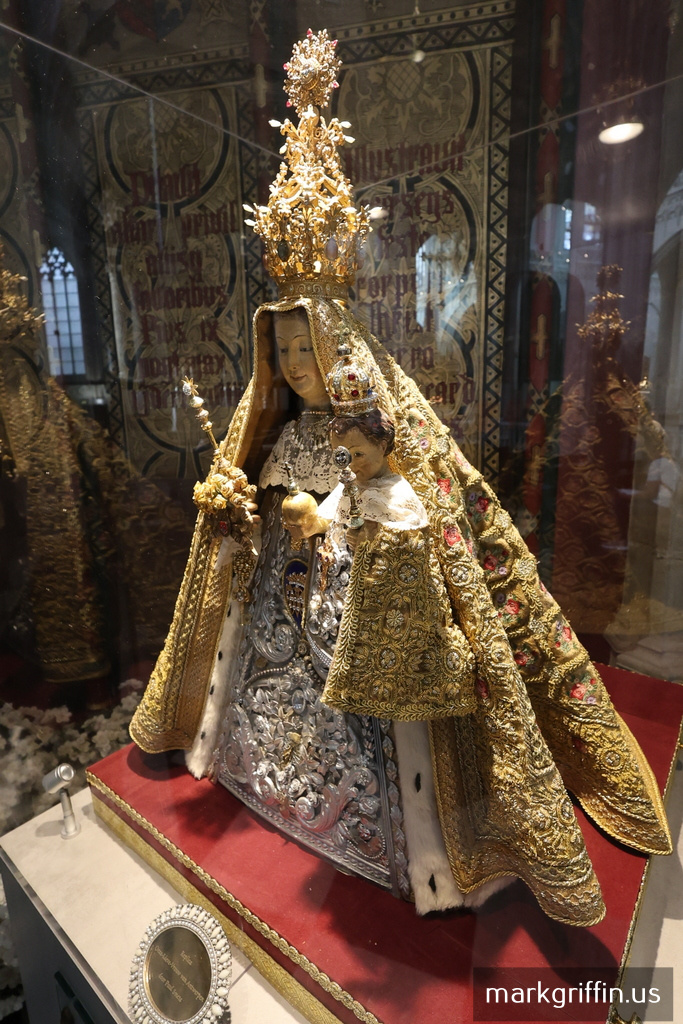
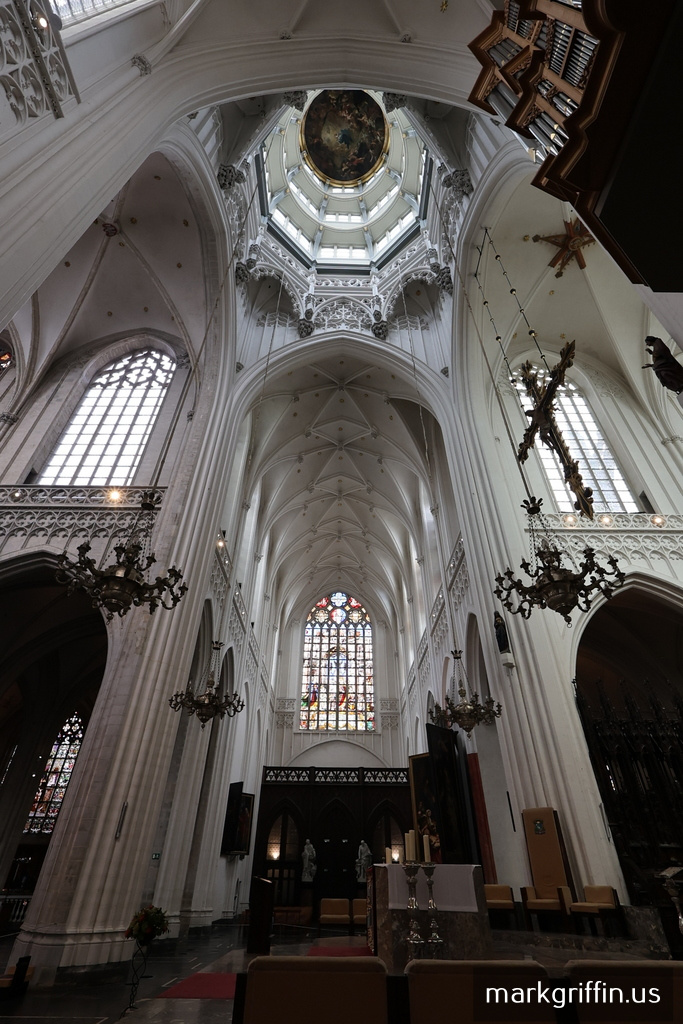
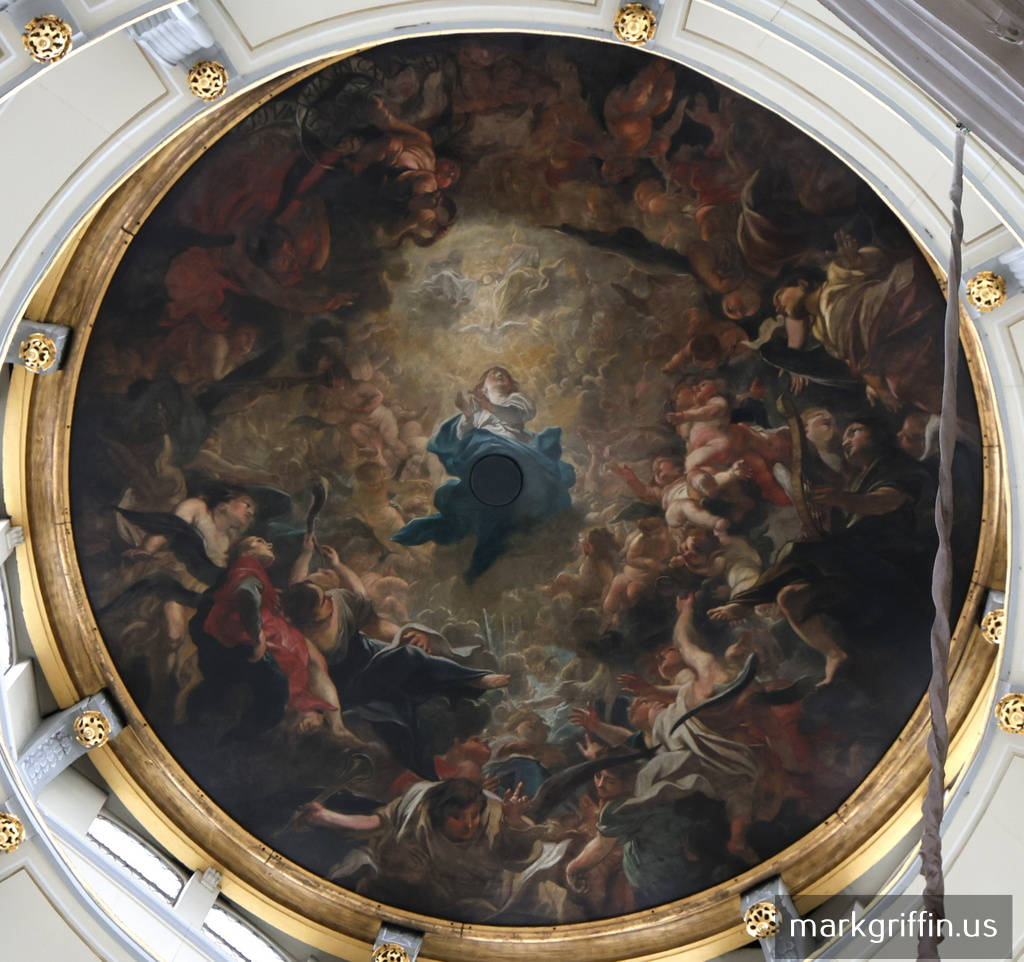
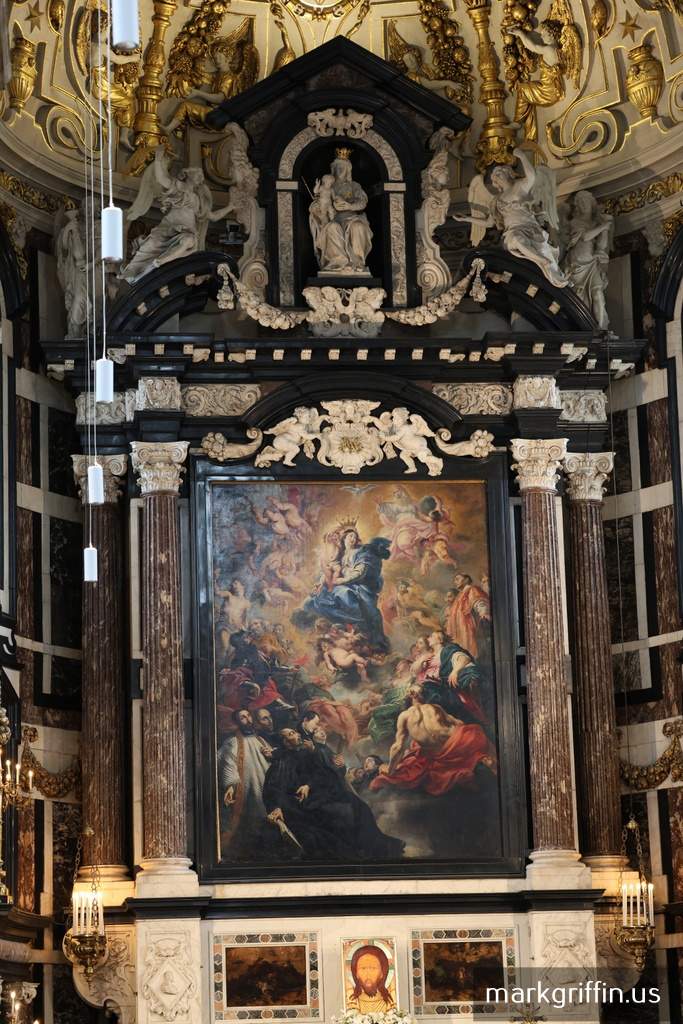
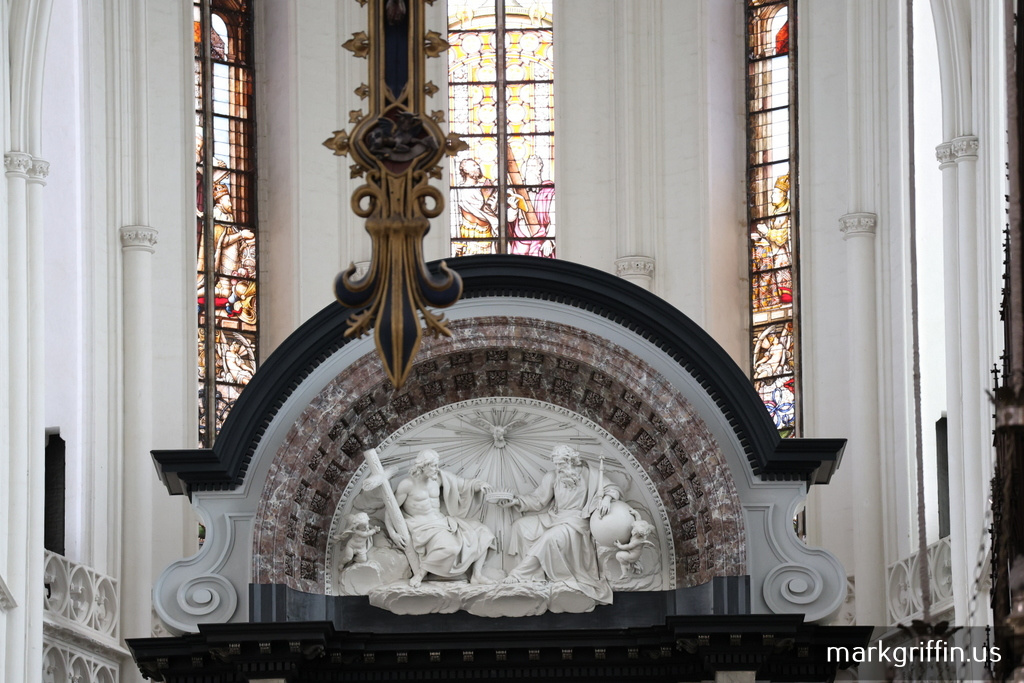
The Cathedral of Our Lady (Onze-Lieve-Vrouwekathedraal) is the largest Gothic cathedral in the Low Countries, built over nearly two centuries (1352–1521). Its spire soars 123 meters into the sky and was once so admired that Emperor Charles V reportedly wanted to protect it under glass. Only one of its two planned towers was ever completed, giving the building an asymmetrical silhouette that’s become part of its charm. It also survived fires, iconoclastic riots in the 16th century, and centuries of political upheaval, making it as much a symbol of resilience as of beauty.
You’re going to hear a lot below about the artist Rubens. What a wild story he has. His dad was imprisoned in 1571 because of an affair with his client Anna of Saxony, the second wife of William I of Orange (AKA the Delph House of Orange), the leader of the Protestant resistance. It was a genuine scandal, she was married to one of the most powerful political figures in the Netherlands at the time. Son Rubens family had fled to Antwerp for political/religious after his dad dies. Before son Rubens death he speaks seven languages, He ran one of the largest, most efficient studio workshops in Europe, essentially an assembly-line operation with assistants (including a young Van Dyck) handling different parts of large commissions under his direction
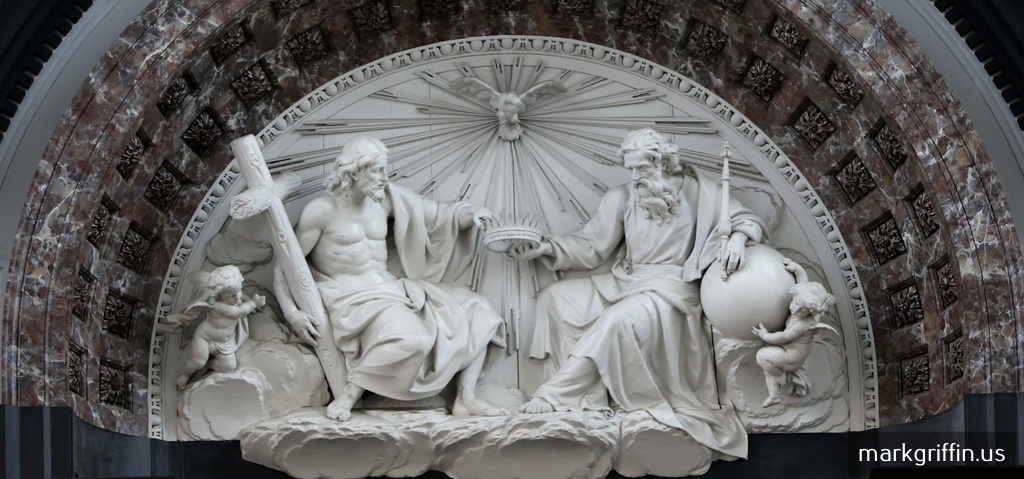
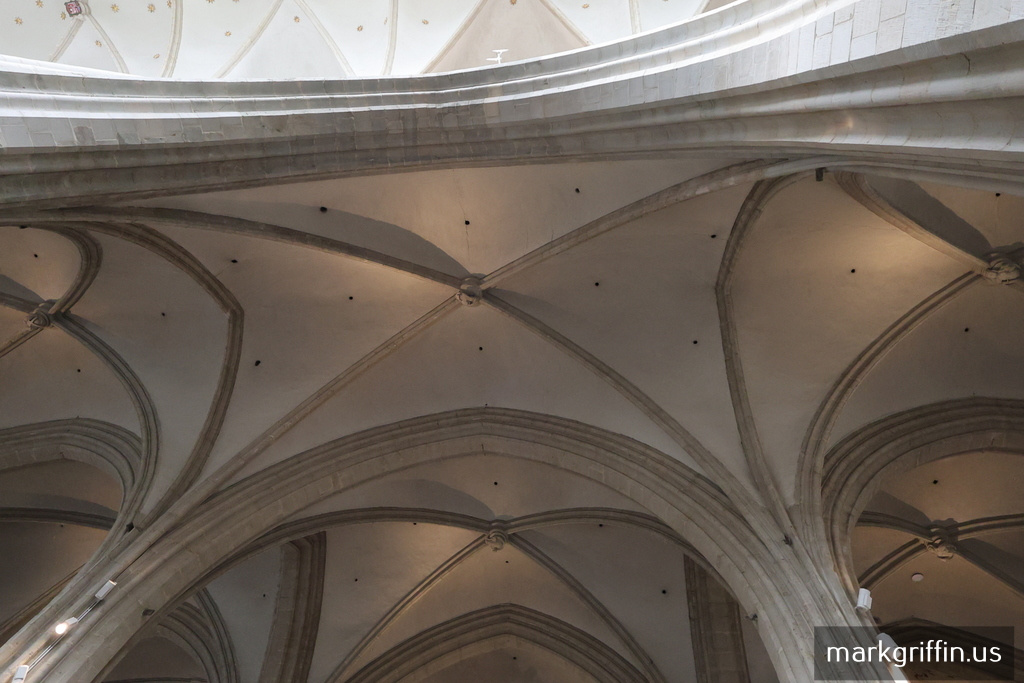
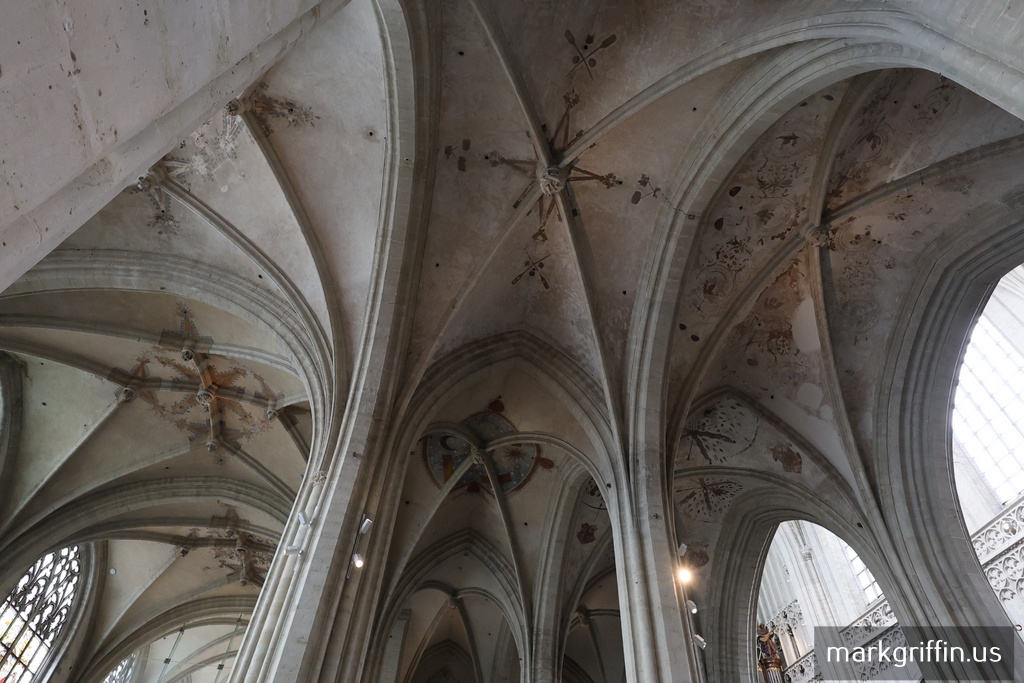
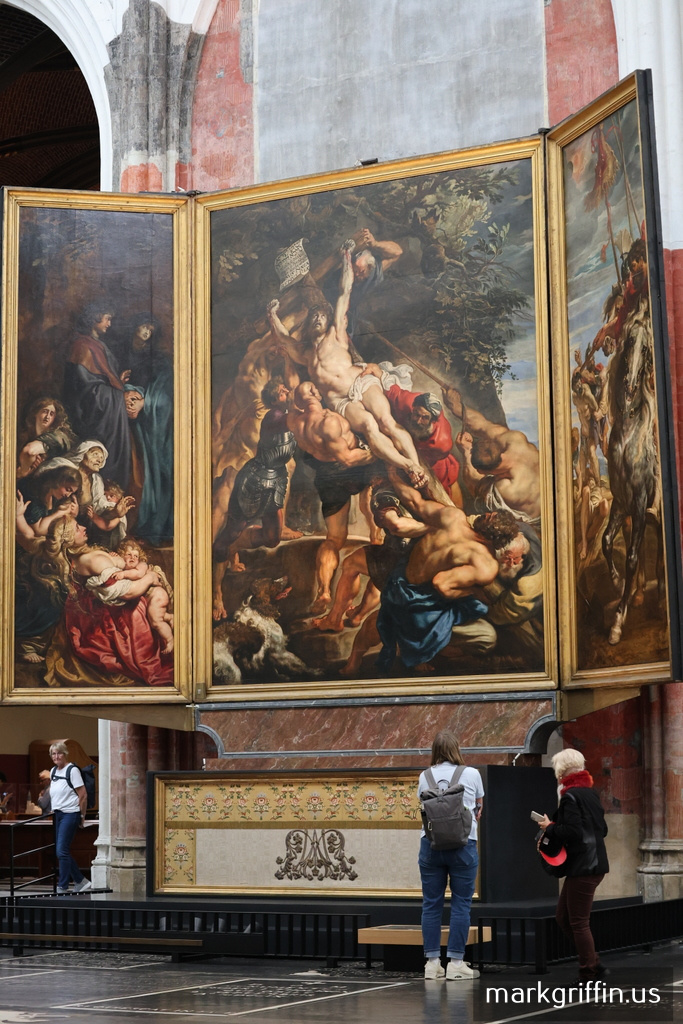
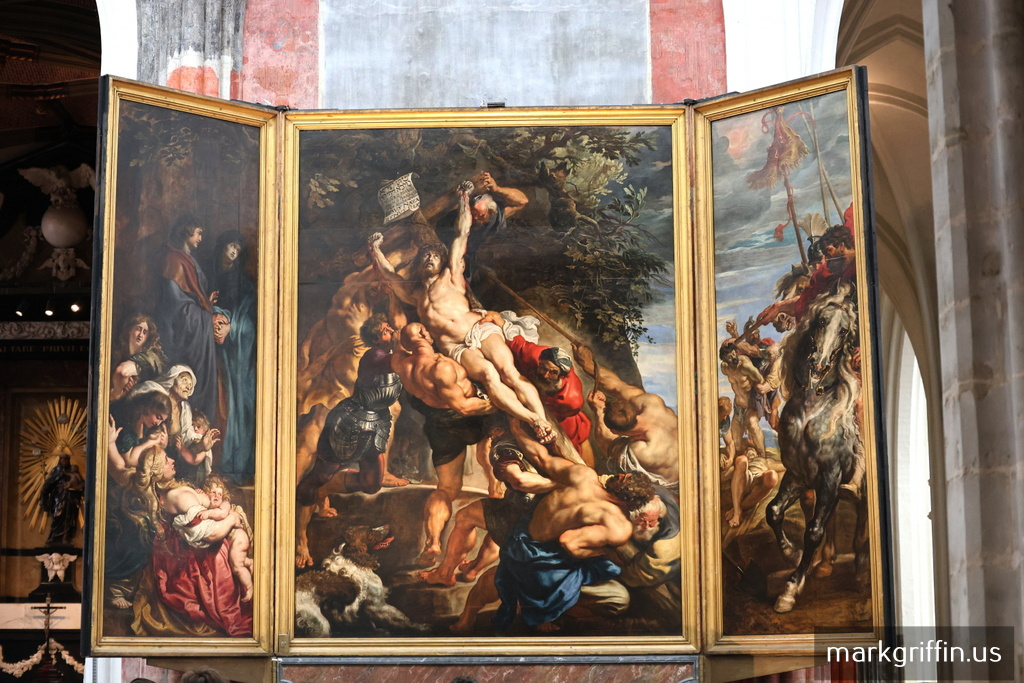
This is Ruben’s first major commissioned piece of art since returning from Italy since studying piece by the likes of Michelangelo. You can see how his painting of the human body, muscles particularly, has changed since he had the work behind the high alter. Some quick stats about this piece:
- 15 feet tall, 22 feet wide.
- Central panel: The dramatic moment itself — a group of powerful, straining men hoisting Christ on the cross into an upright position. This is Rubens at his most muscular and dynamic — diagonal composition, intense physical strain, a dog in the foreground for grounding realism.
- Left panel: The Virgin Mary, John, and grieving women/children witnessing the scene — quieter, more subdued in color and mood.
- Right panel: Roman soldiers on horseback, along with the two thieves who were crucified alongside Christ, being led up as well.
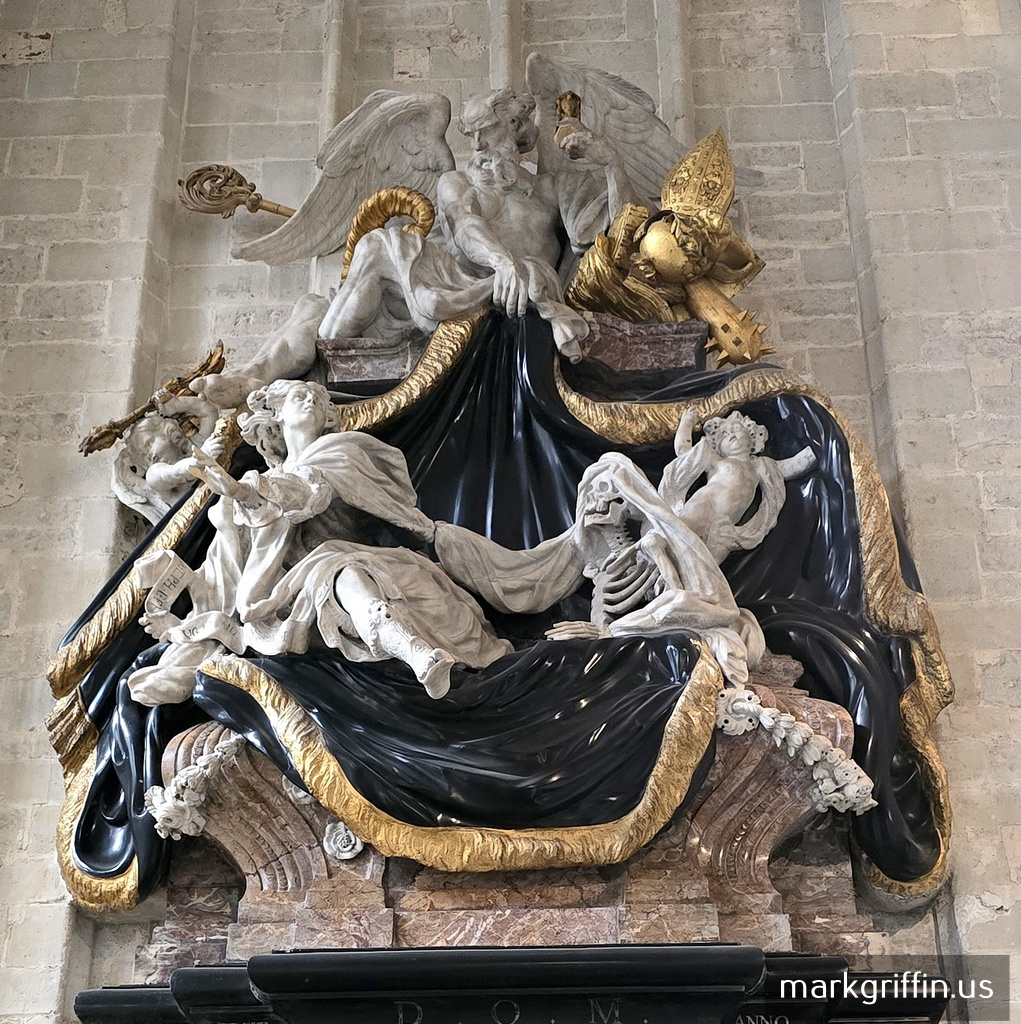
This 10-foot tall marble piece holds my attention. It’s a family funerary monument built around the memento mori (Death) theme. The reclining winged skeleton in the center-right is the dominant figure, an explicit personification of Death, shown reclining casually among the drapery rather than menacing, which is typical of Baroque tomb sculpture treating death as inevitable but not to be feared. A bearded winged figure at the top (holding what may be an hourglass) likely represents Father Time (Chronos), paired with Death, a very common Baroque pairing symbolizing mortality and the passage of time. Flanking allegorical female figures in flowing drapery likely represent mourning or virtues (Faith, Grief).
Church closes at 3 Saturdays ahead of mass. Time to see what else we can find.
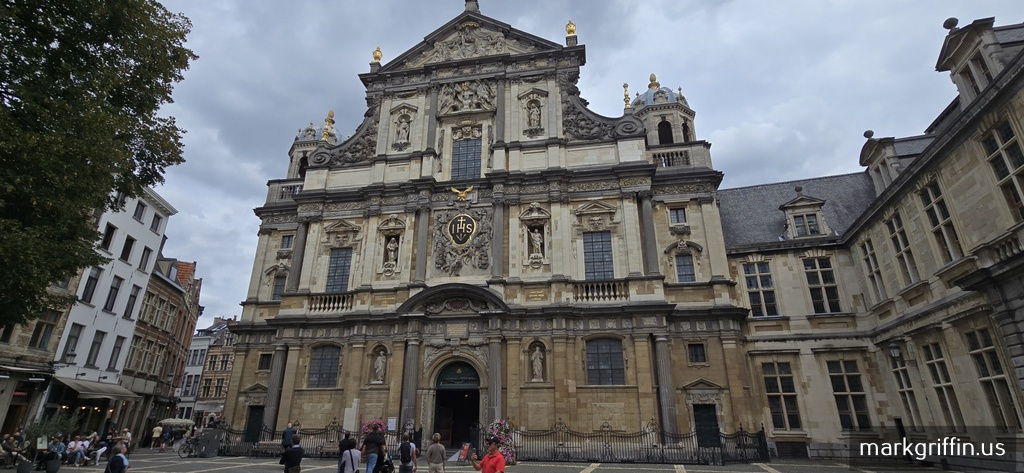
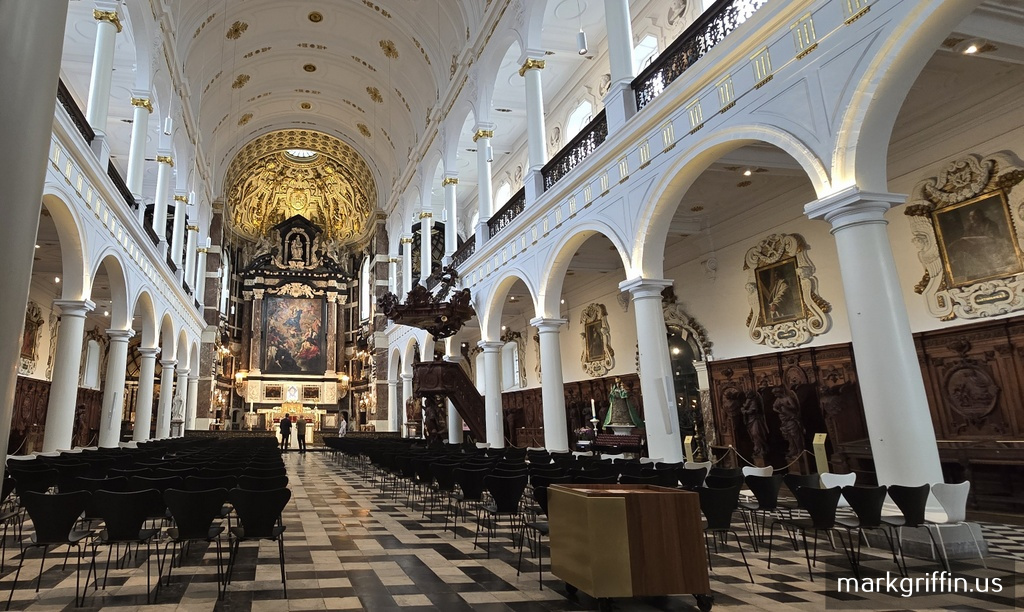
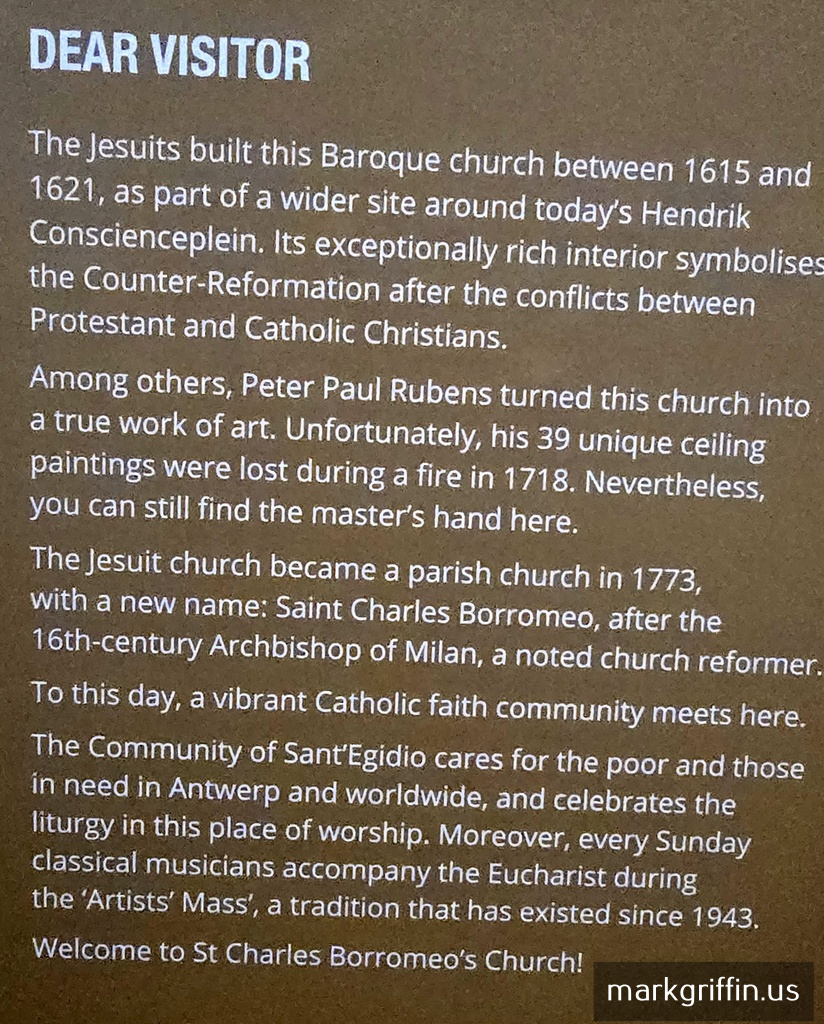
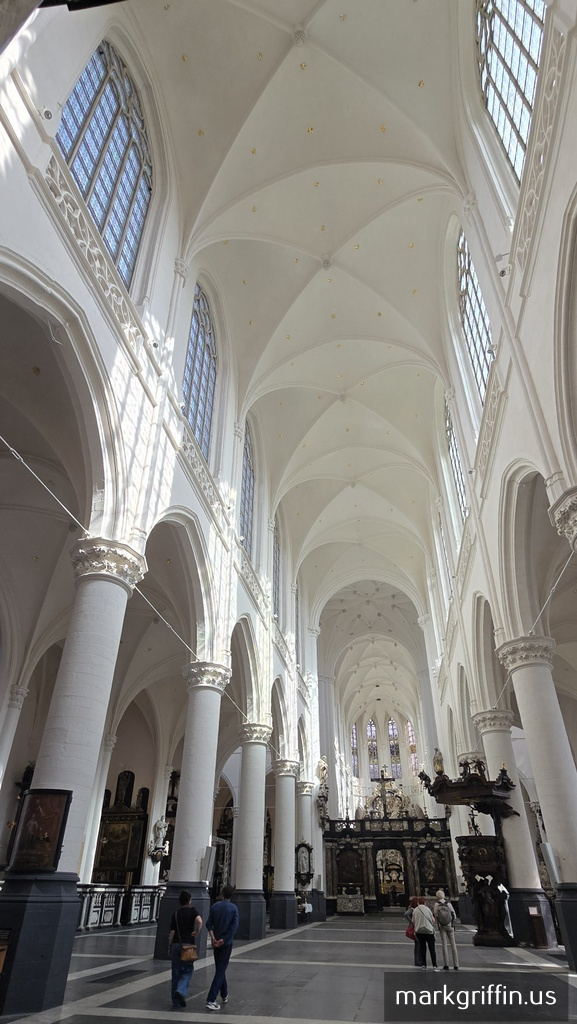
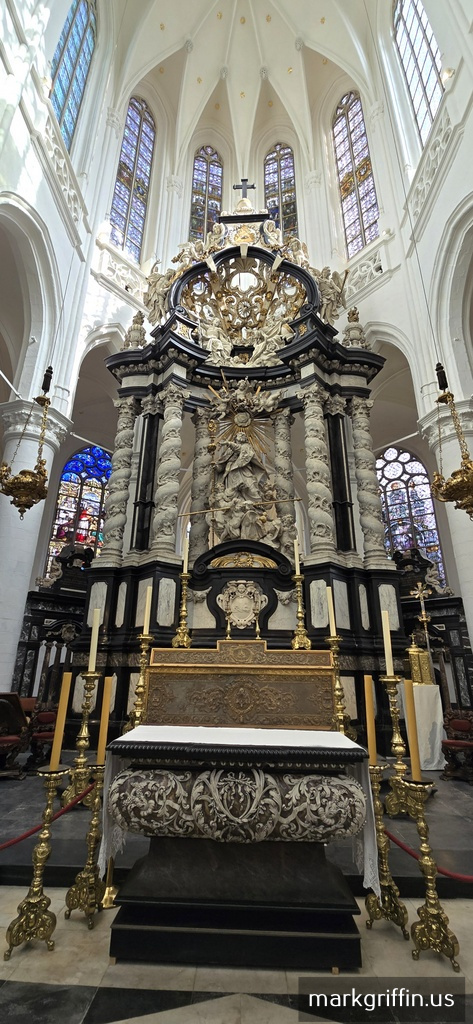
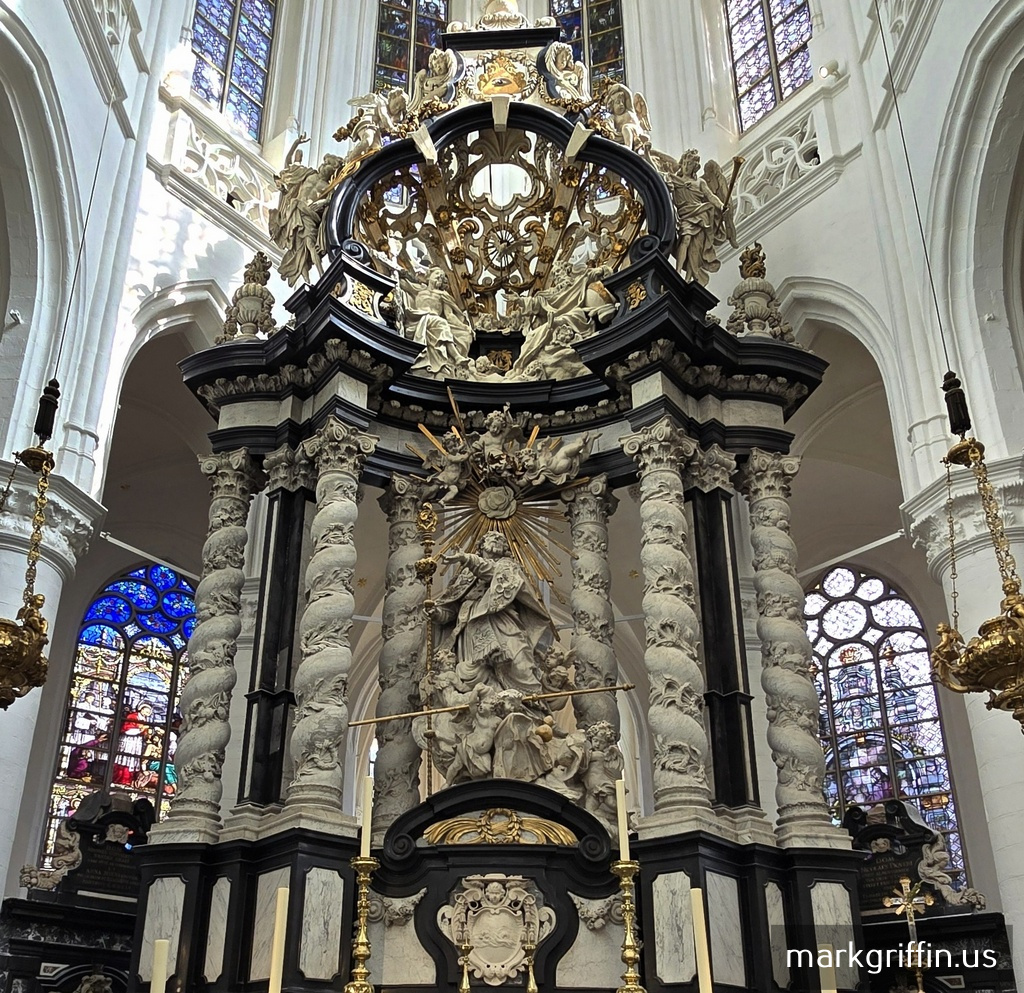
I’m beat at this point and begin heading back to the hotel. For some unknown reason I make a right turn, look up, and there’s this massive church. Mind you, churches like this tend to be more private worship buildings for the wealthy families of the time. Guess whose family went to this building? The artist, Ruben. He’s buried at the tip of the high alter.
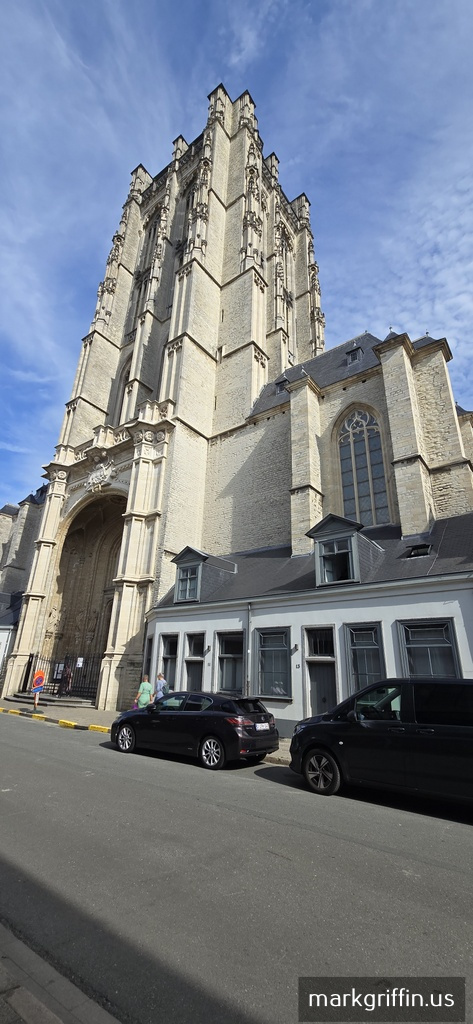
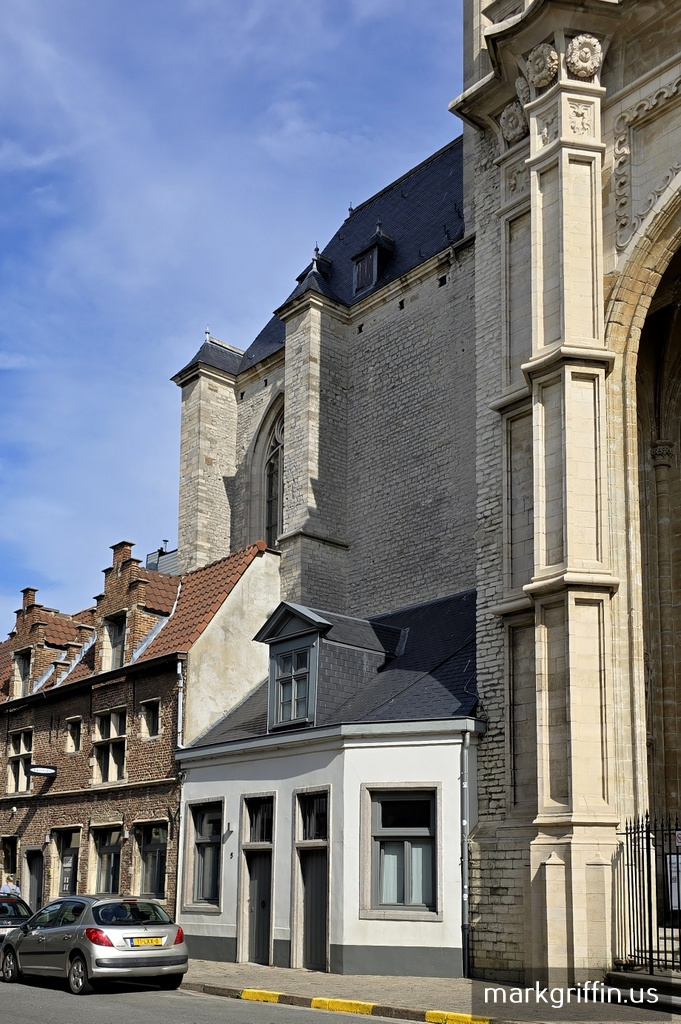
What makes this next church really special? It’s technically the start of the Camino de Santiago. In the second photo is a tiny home. This was where in the 1400’s Flemish and Dutch pilgrims would sleep before beginning their hike to Spain. While I didn’t do the full hike, I can now say I’ve seen the churches at the both ends of this famous trail.
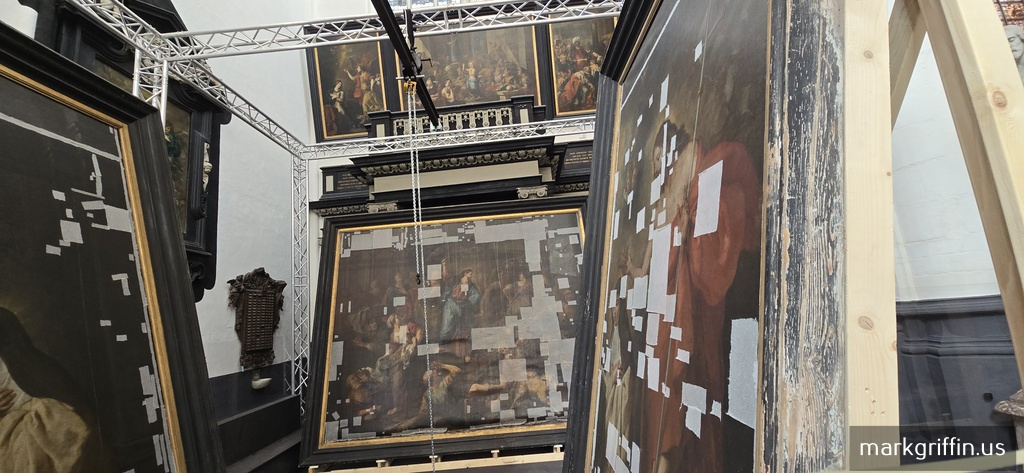
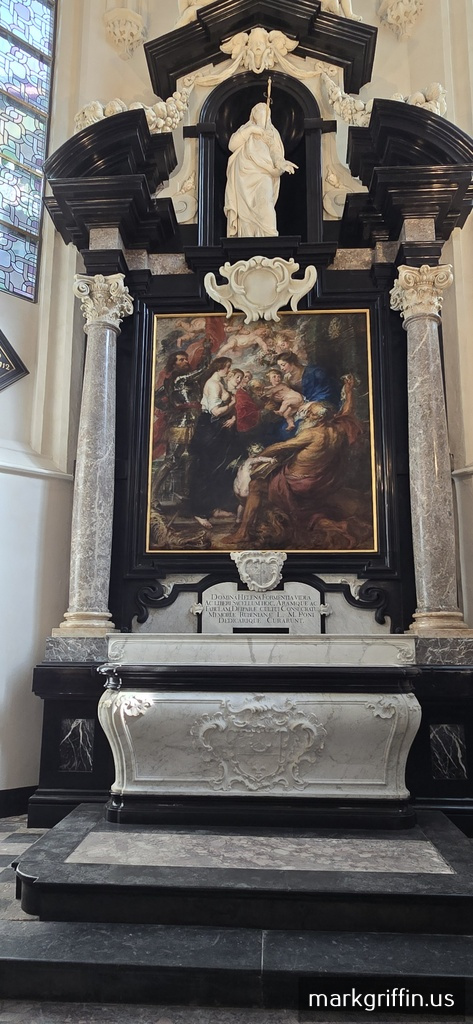
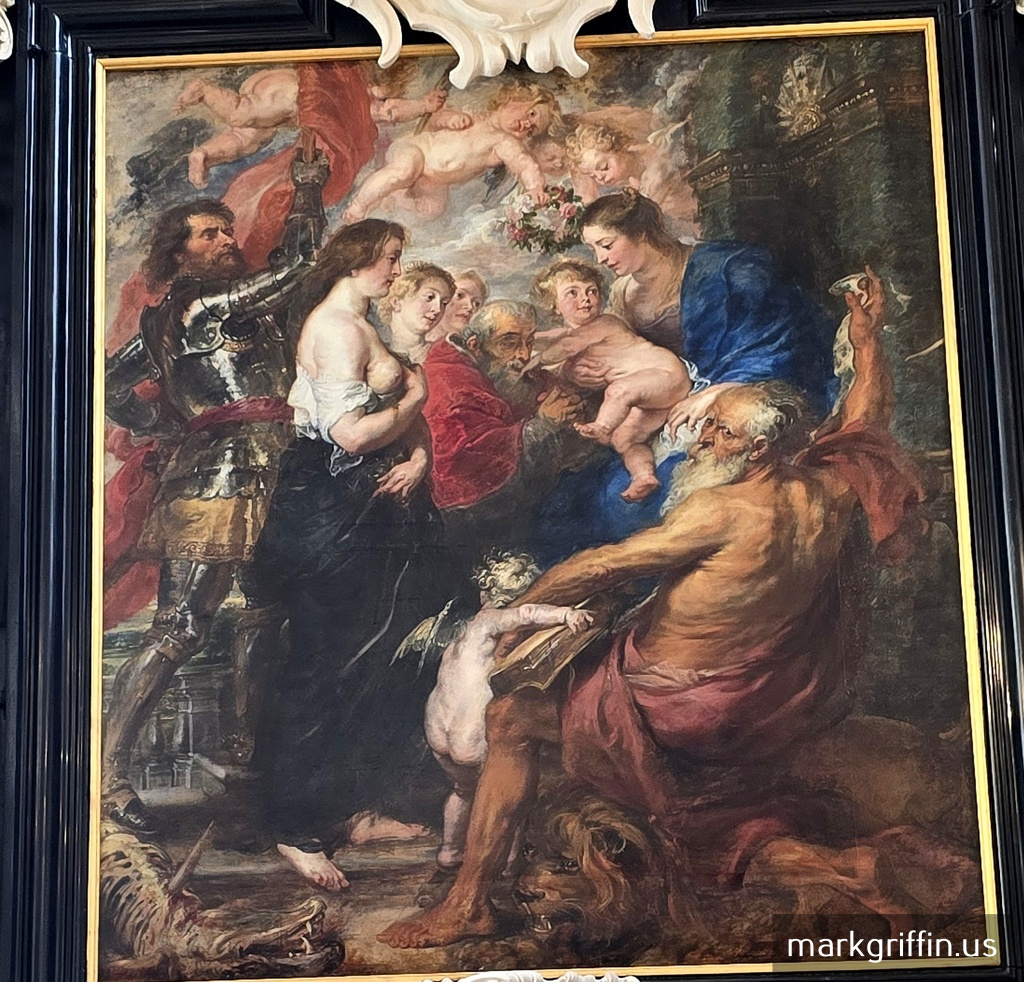
Before Ruben dies he paints this piece. In it, you see (left to right): his first wife who gave him children, represented as the reformed virgin Mary, his two daughters, his father, him as the Christ baby, his second wife, then his grandfather and his son. Dude had high opinions of himself.
Let’s get back to the hotel, maybe find some food
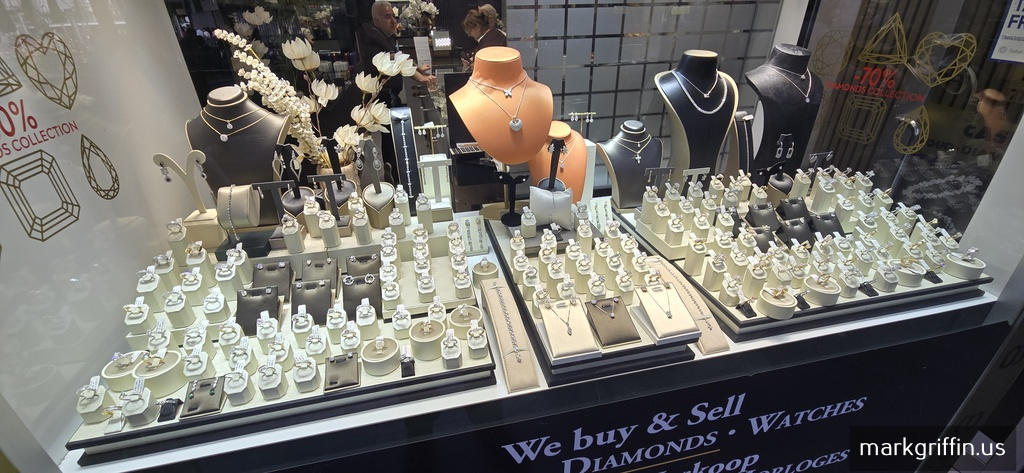
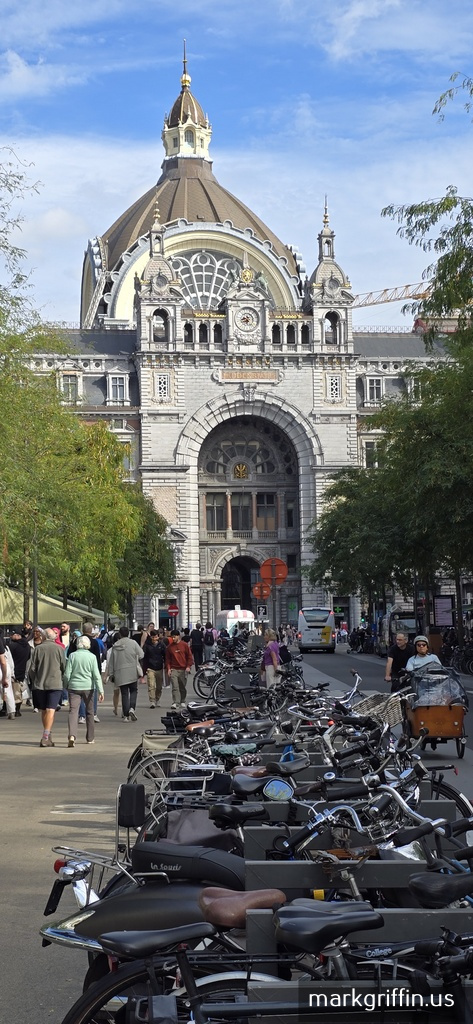
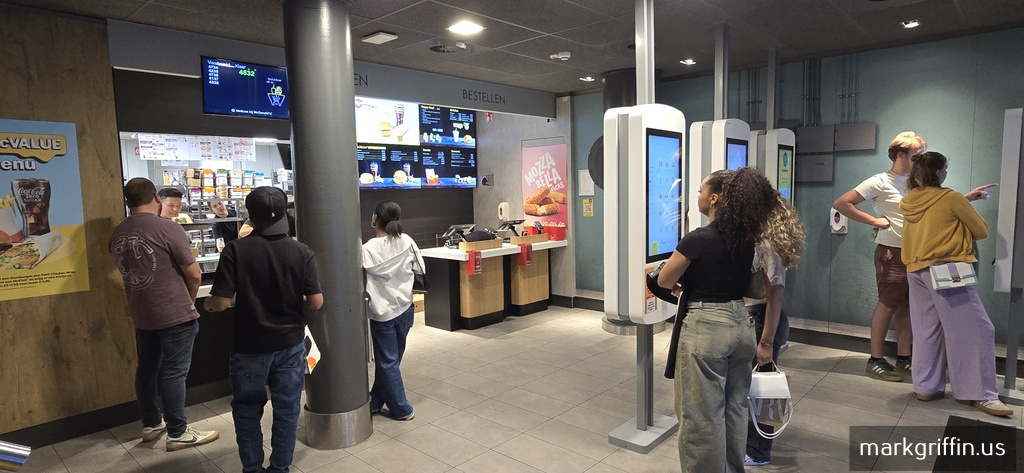

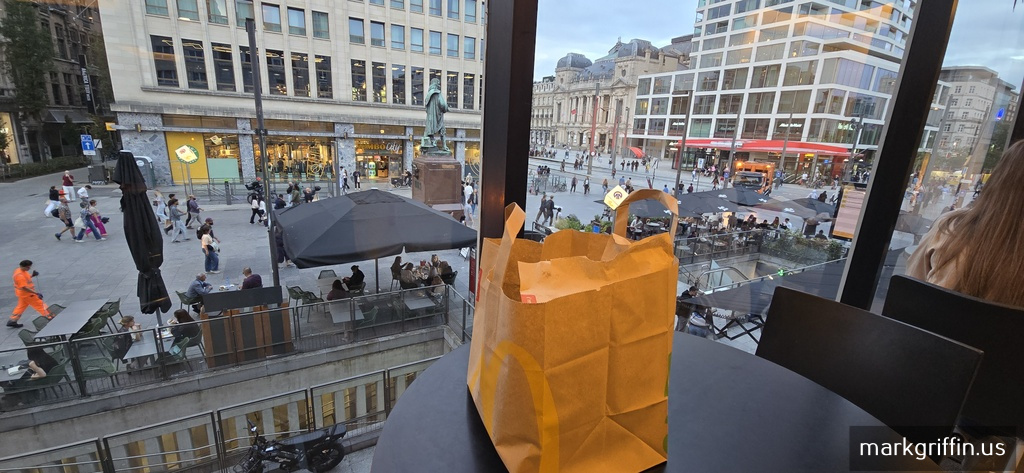
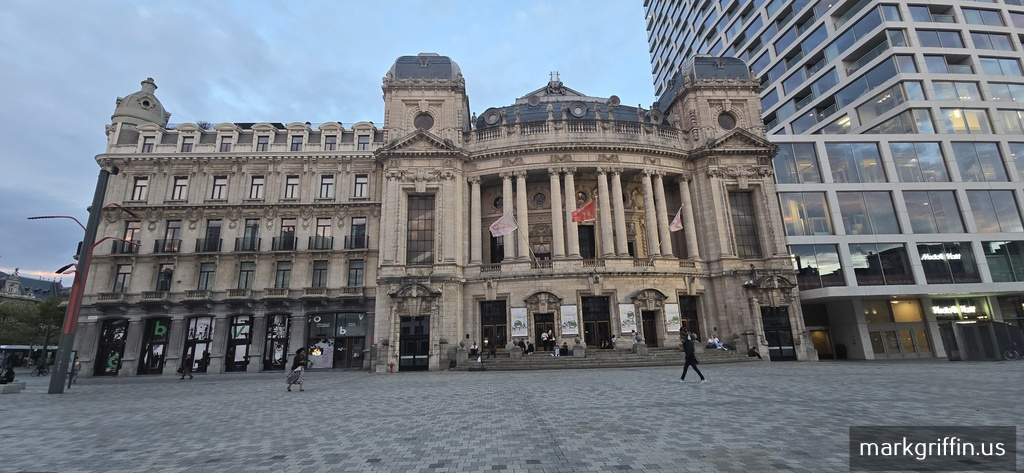
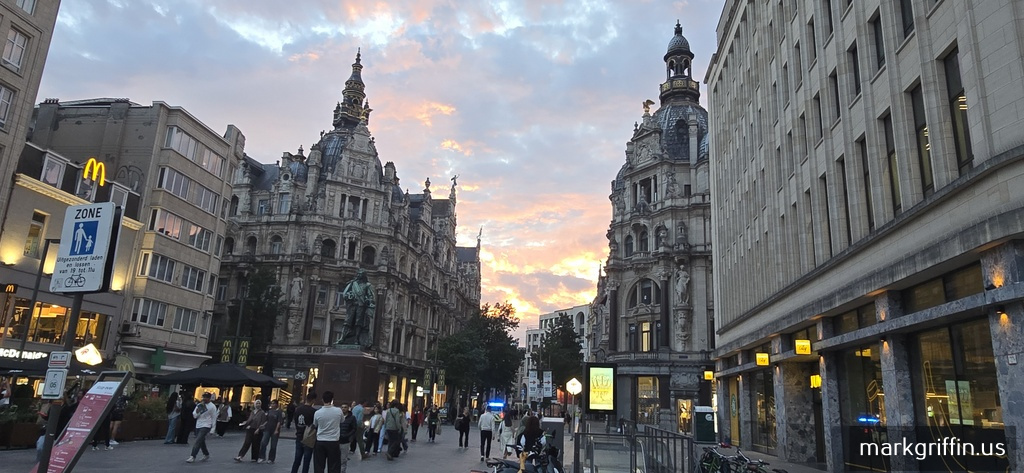
I thought there would be better food options, just not in the high traffic areas. McDonalds, Pizza Hut, Five Guys are everywhere. NO worries, the view makes up for it. Overall a pretty good day today.