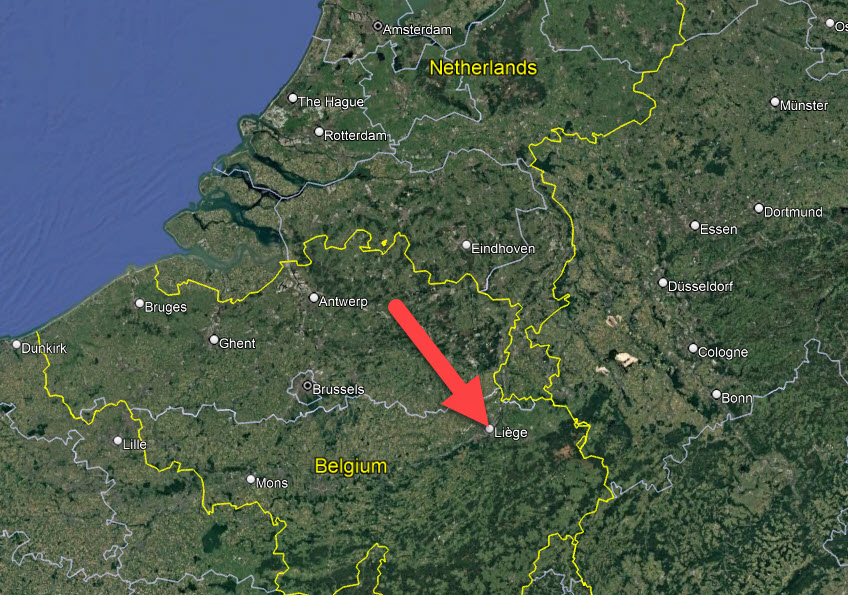
Time flies. Another day, another new city. Time to pack the hotel and head to the eastern edge of Belgium and to the city of LIege.
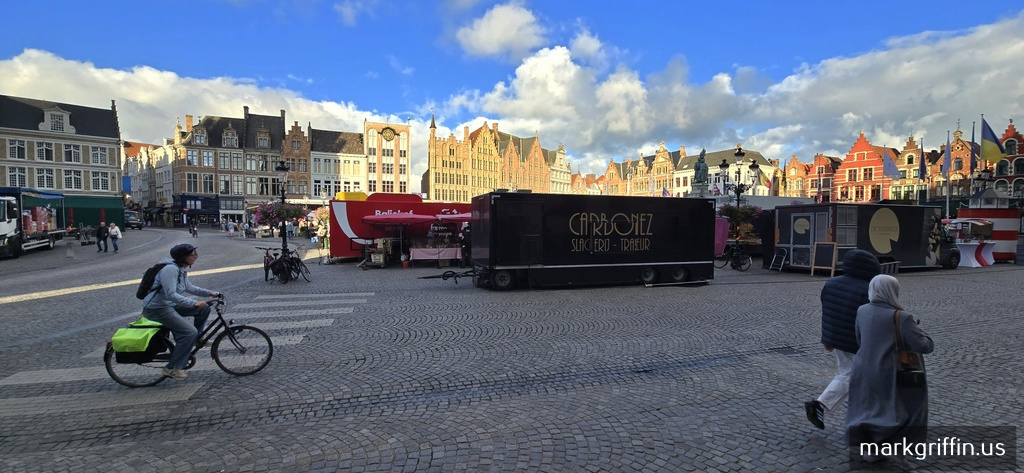
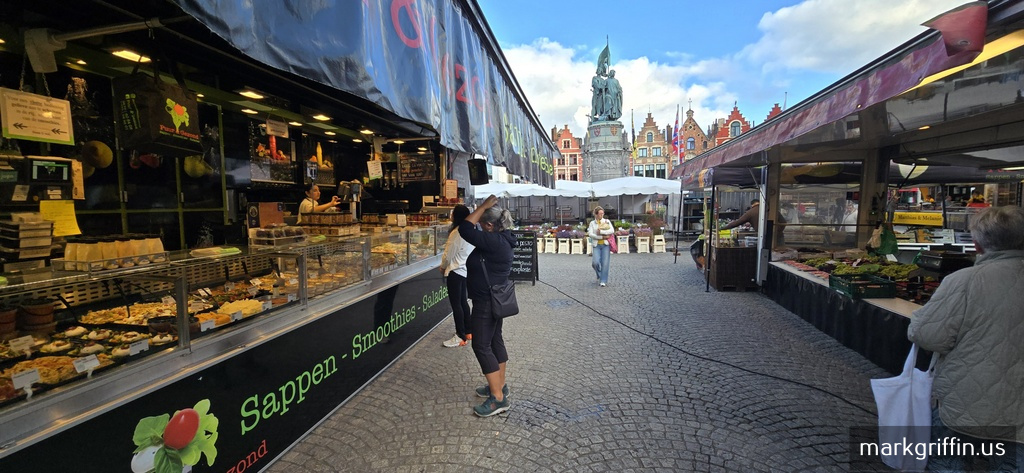
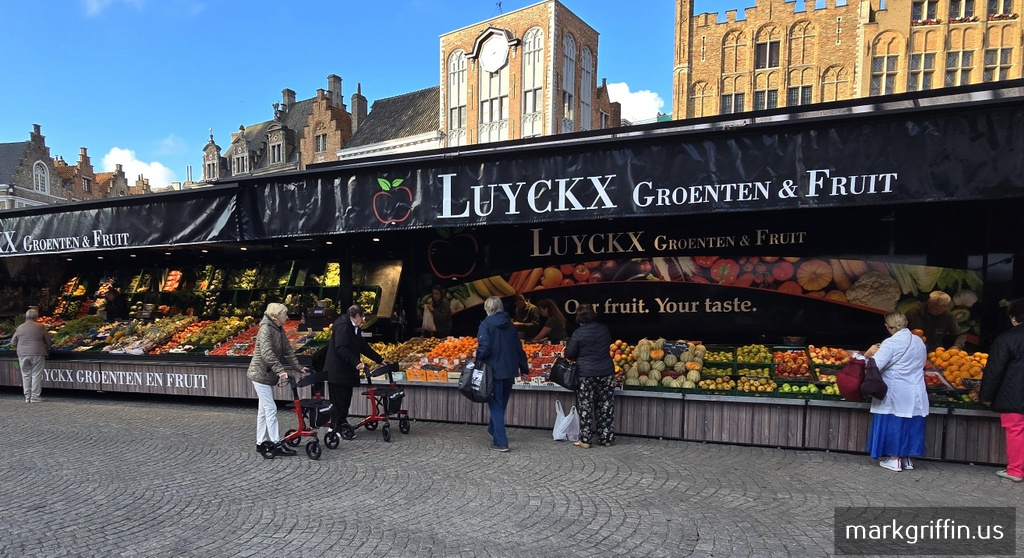
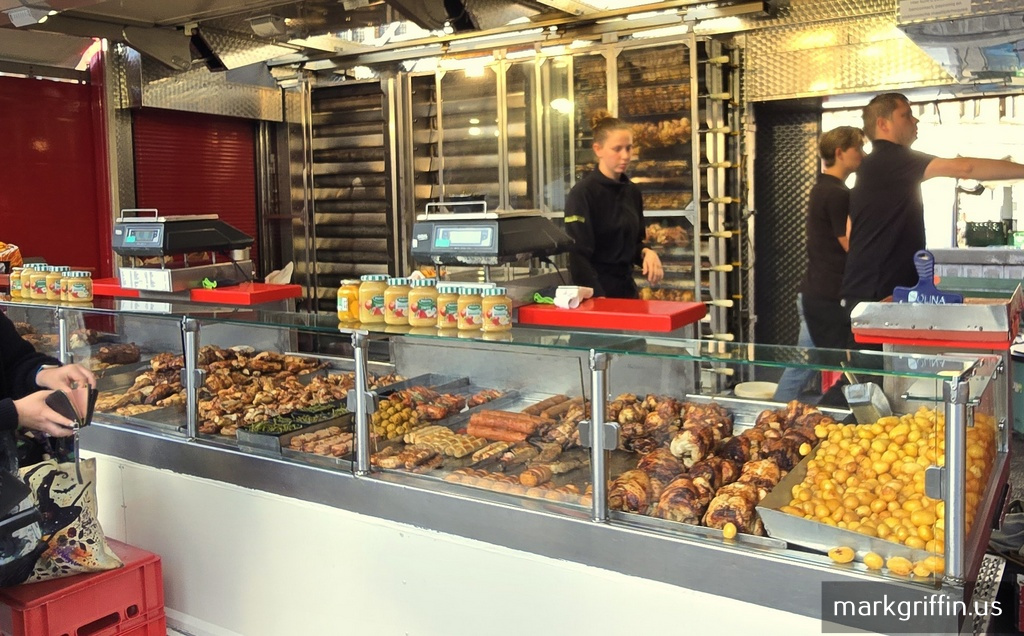
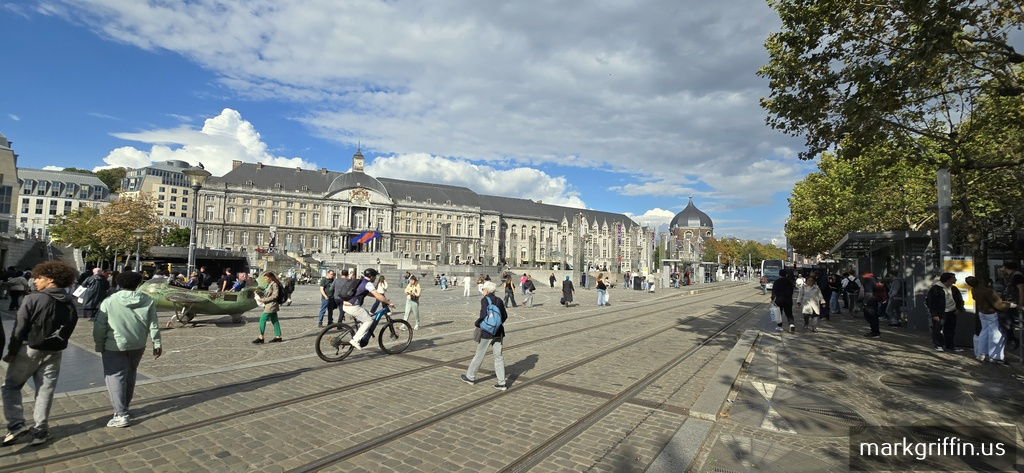
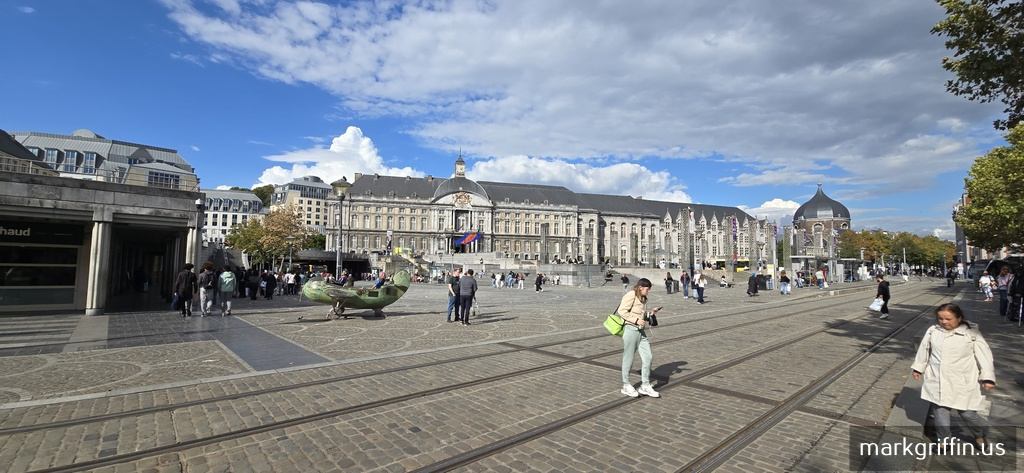
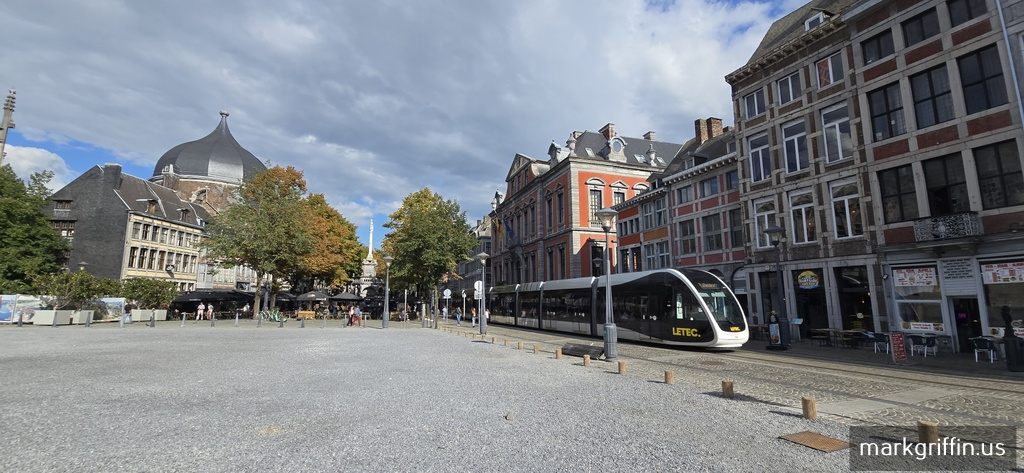
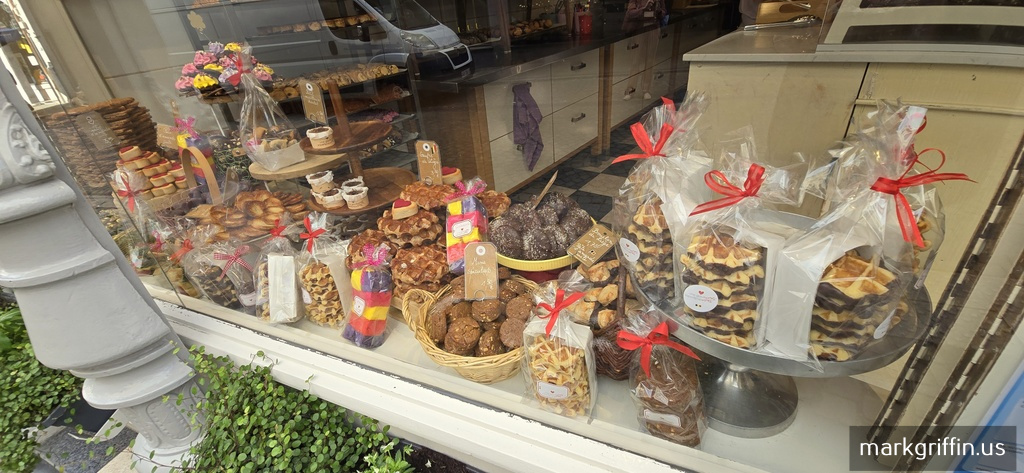
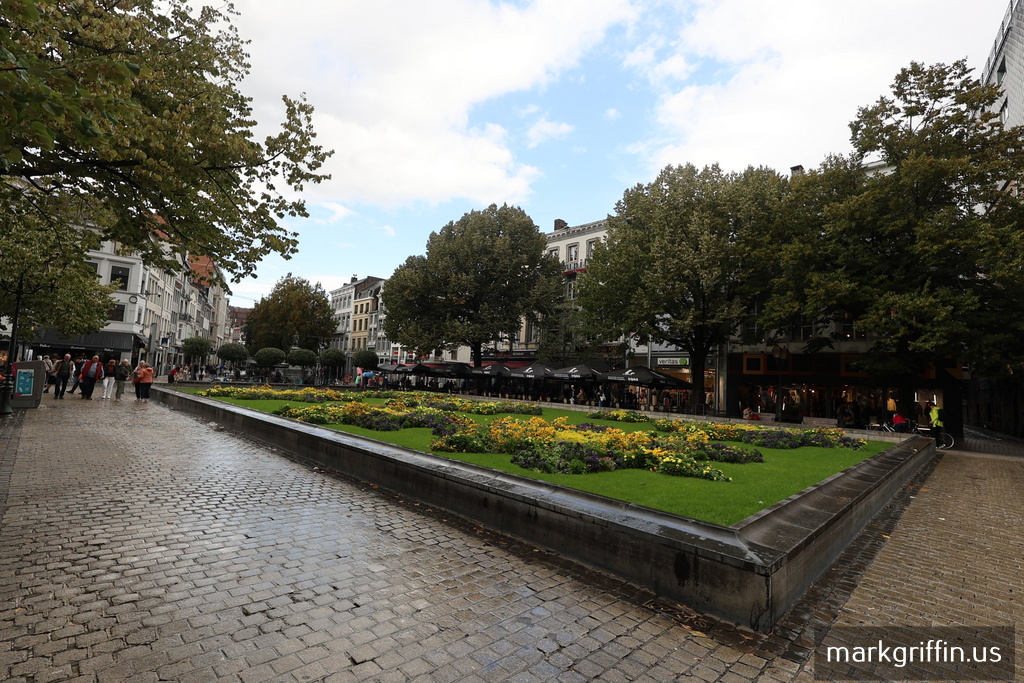
Unknown to me, Wednesday is the most professional farmers market in the square. These are vendors that run a professional circuit. The flowers and food are exceptional. No way I can leave the city without indulging in the treats. And yes, the French potatoes (tiny baby potatoes sitting at the bottom of the chicken rotary collecting the runoff juices) was like being back in Paris.
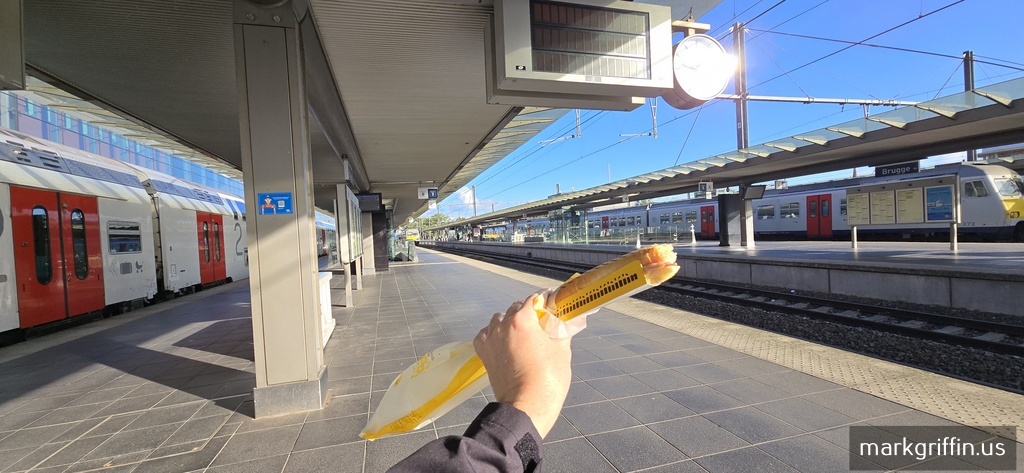
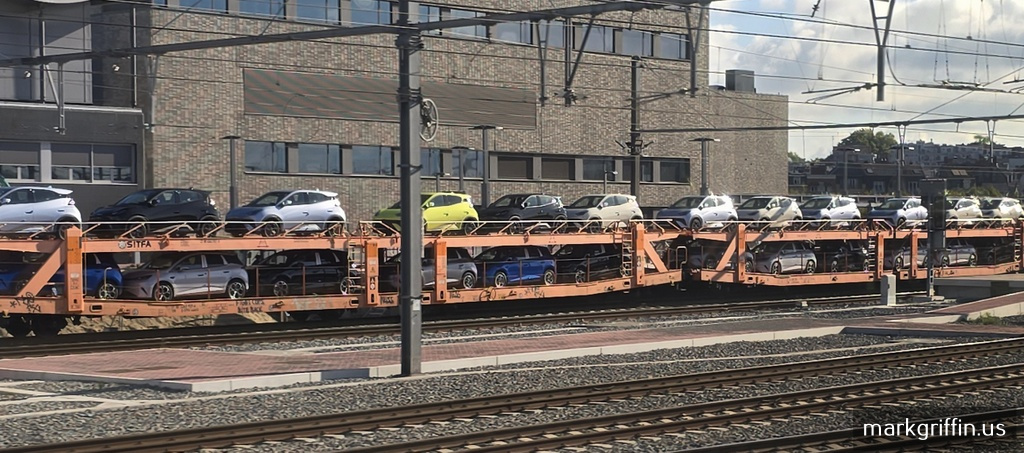
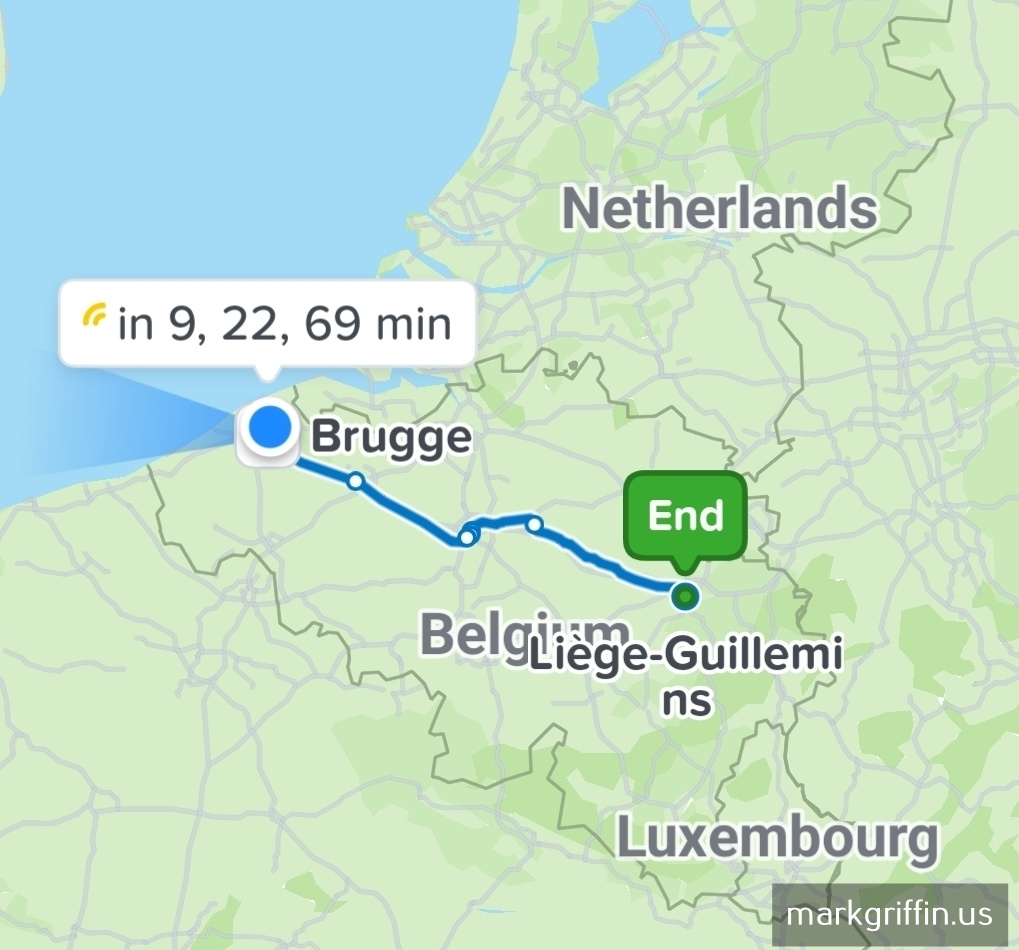
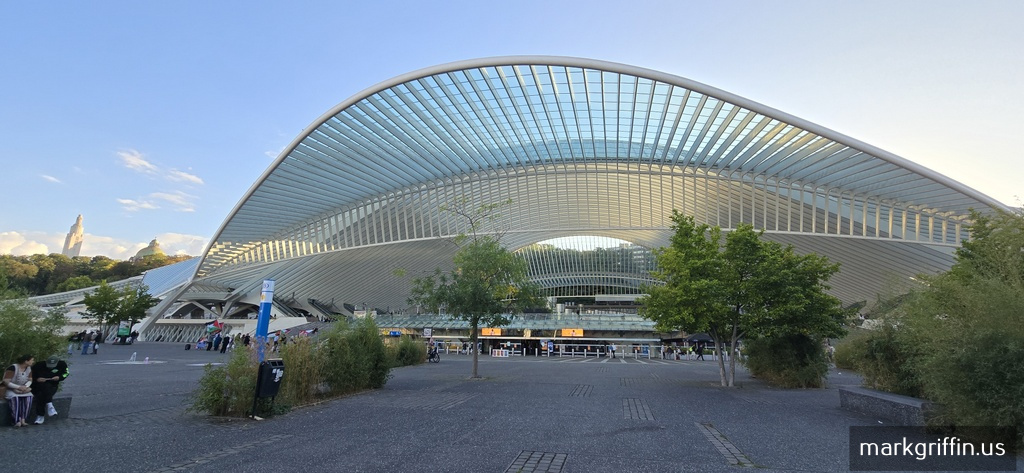
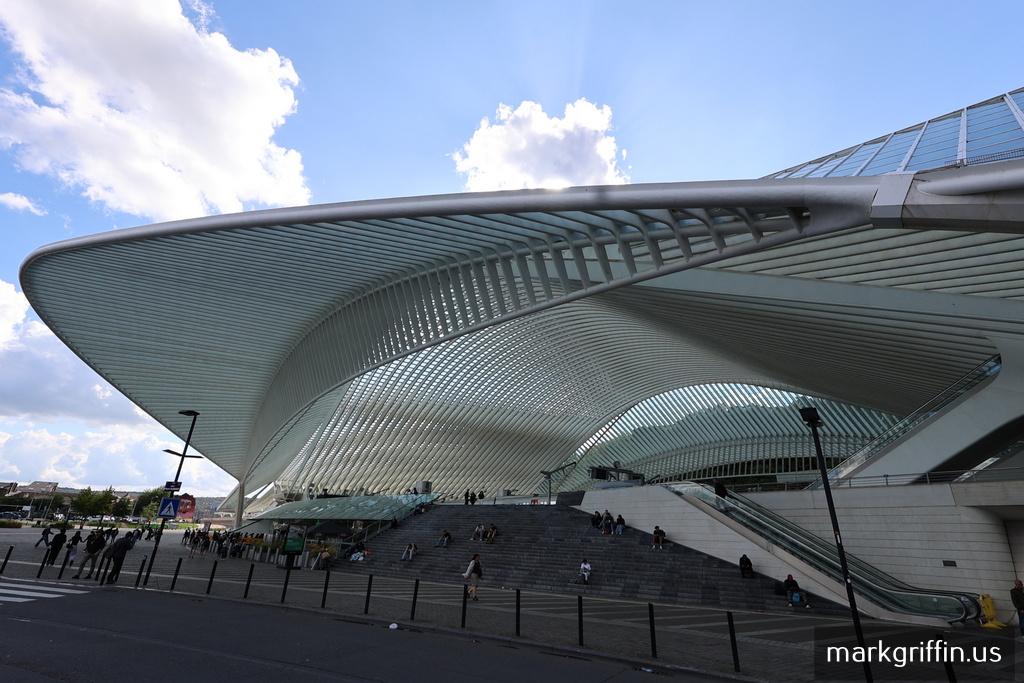
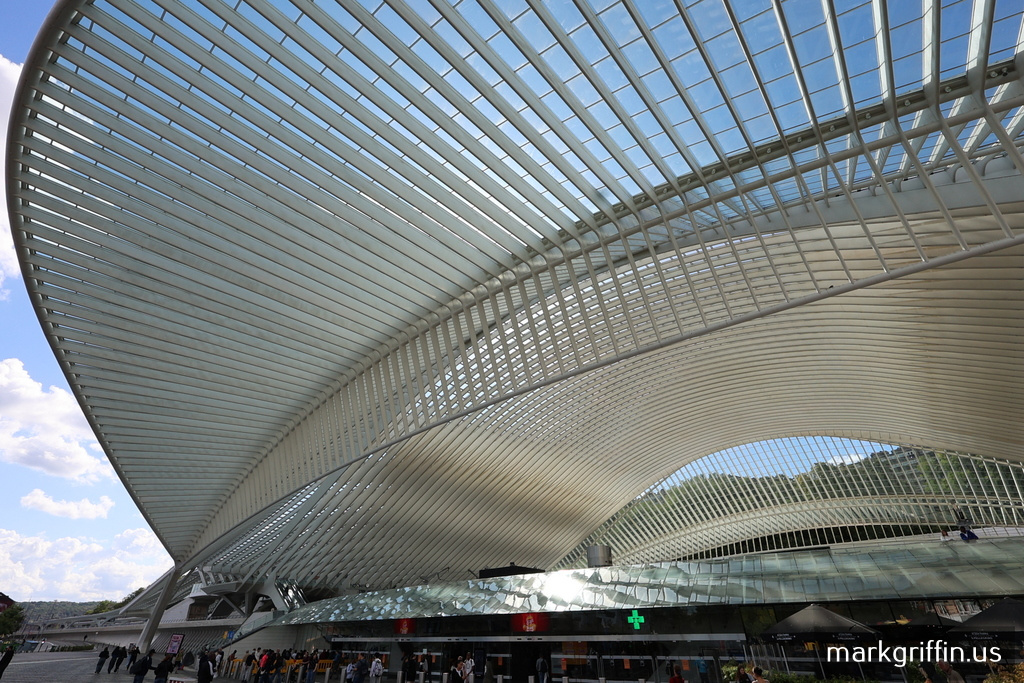
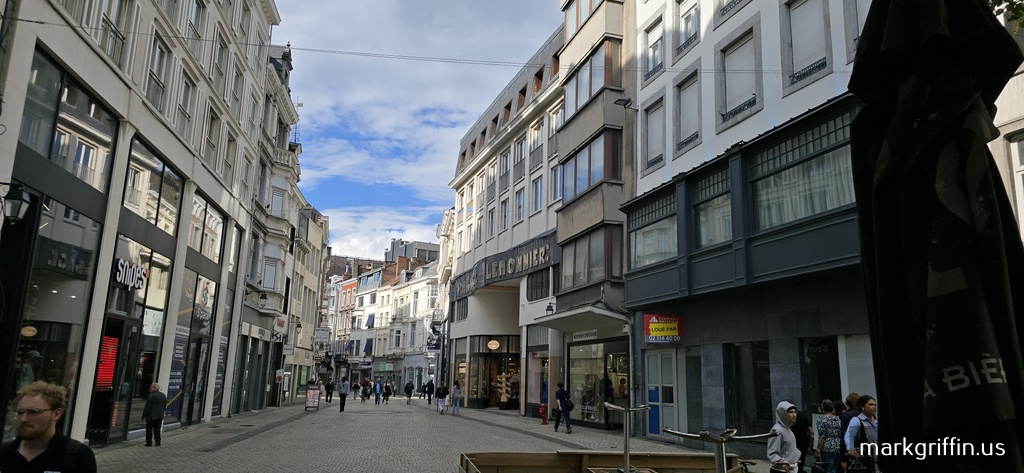
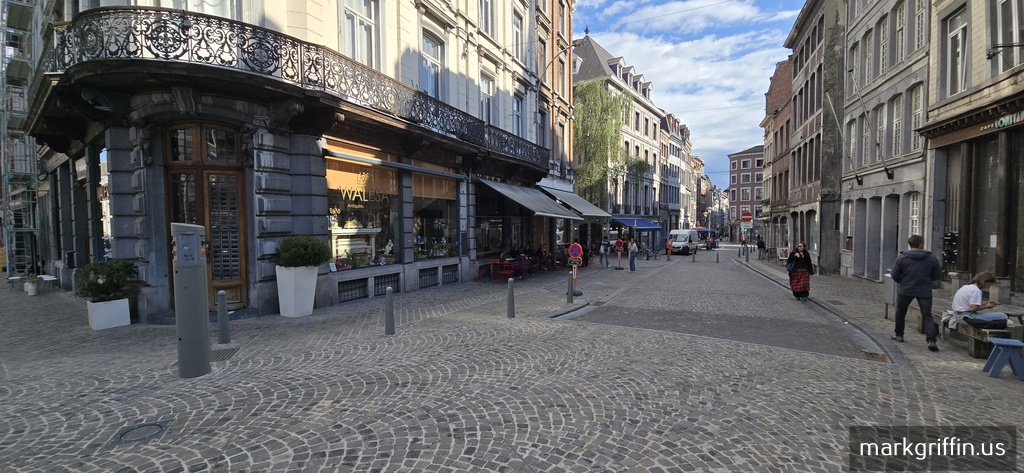
At first glance coming off the train, Liege feels grittier, certainly more dirty and kind of struggling to create its own identity. Until rough 1800, this small region was kind of an independent nation, not belonging to Belgium, France nor Germany. They just wanted to be a great industrial state for everyone’s goods. Then the French Revolution came along and blew up this autonomy. Almost overnight it became a territory of France. As Napolitian eventually loses and the Congress of Vienna is ratified in 1815, suddenly Liege is given to the Dutch. Residents here along with those in modern day Belgium hated this as there were religious and cultural becoming Dutch. So in 1830 there’s another revolution. They’re not done yet. Prior to all this war they had been this medieval city. Being the second most industrial nation in the 1900s, hemorrhaging from the old town layout and with damage come out fo WW2, the local university draws up a new, modern city with wider roads. Local officials give the green light and nearly all of “old” Liege if bulldozed. Planners embrace the principals of Droixhe, the idea of large modern apartment builds (thus the cold Soviet-area styling) to get parks for everyone, styling was not part of the equation, functionality was critical. Though the new train station platform’s beauty is beyond what the images can capture.
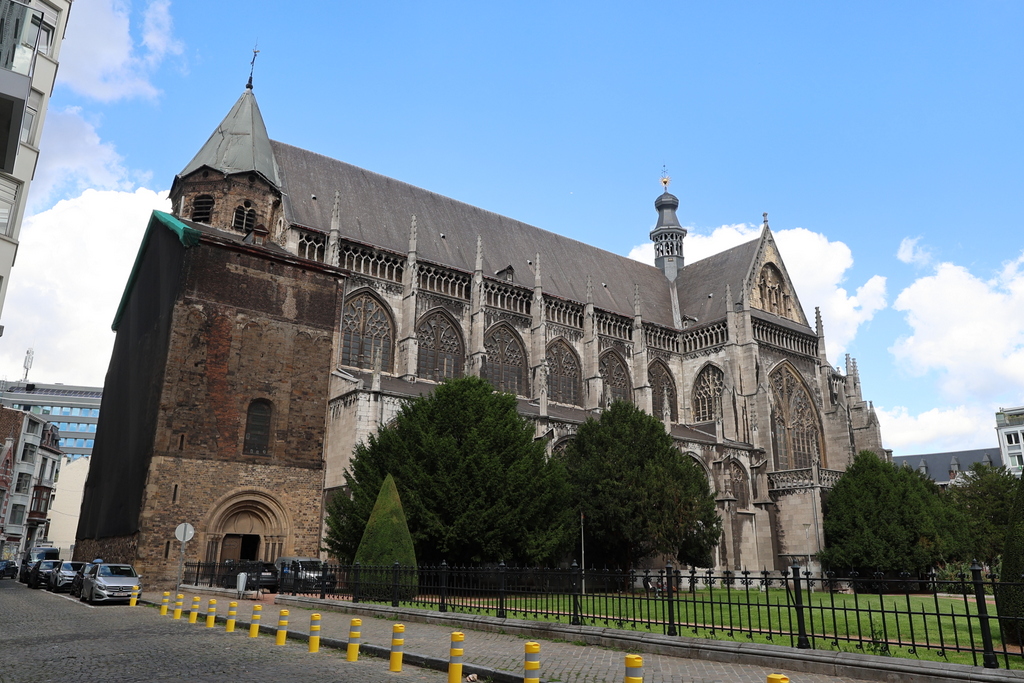
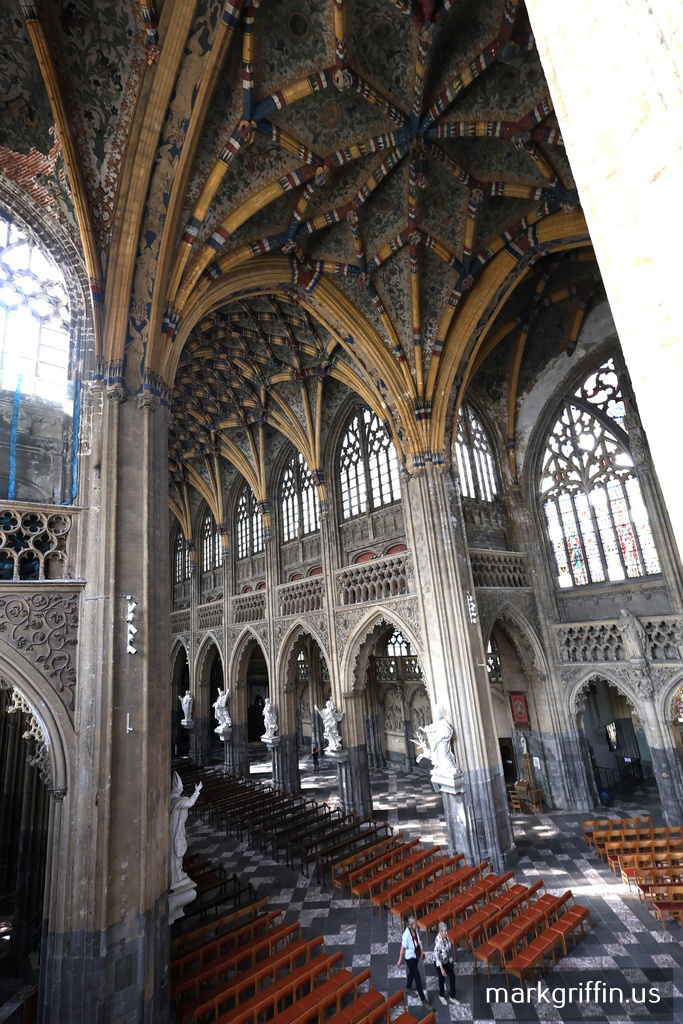
Thankfully the planners a few ties to the past. The most amazing, and most often overlooked, was Saint-Jacques! What starts as an abbey in 1015, in 1500 it starts off as a Renaissance chapel dedicated to James the Lesser, takes so long to finish that Gothic is all the rage when its finished. This single chapel represents the complicate history in a single building, you’ll see why in a moment. The people in the city seems to love being complicated, finding a place for everything to fit.
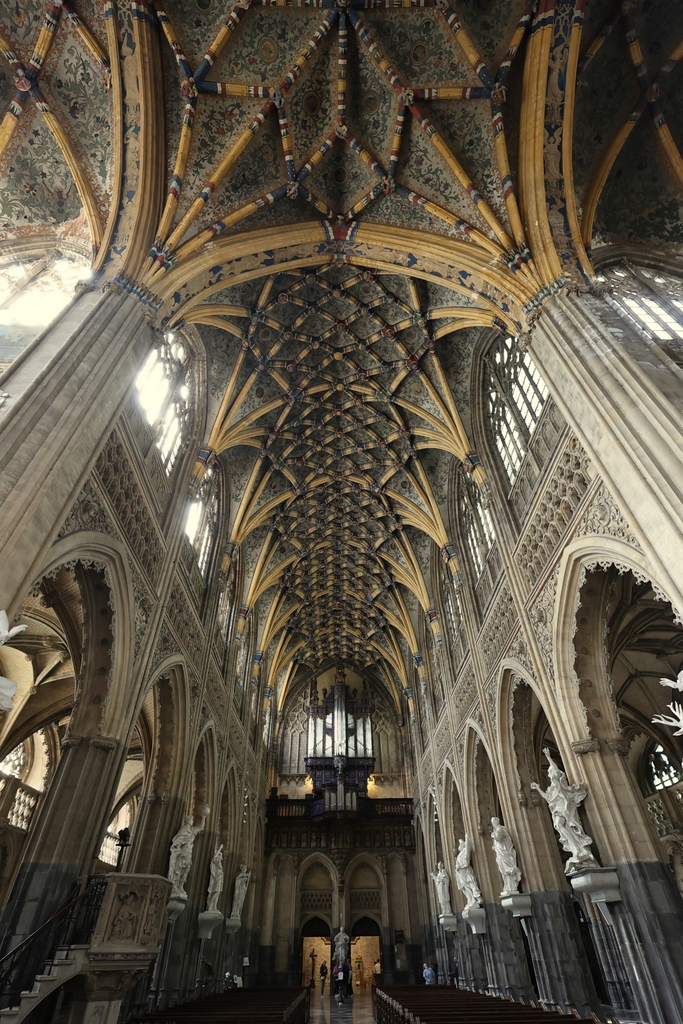
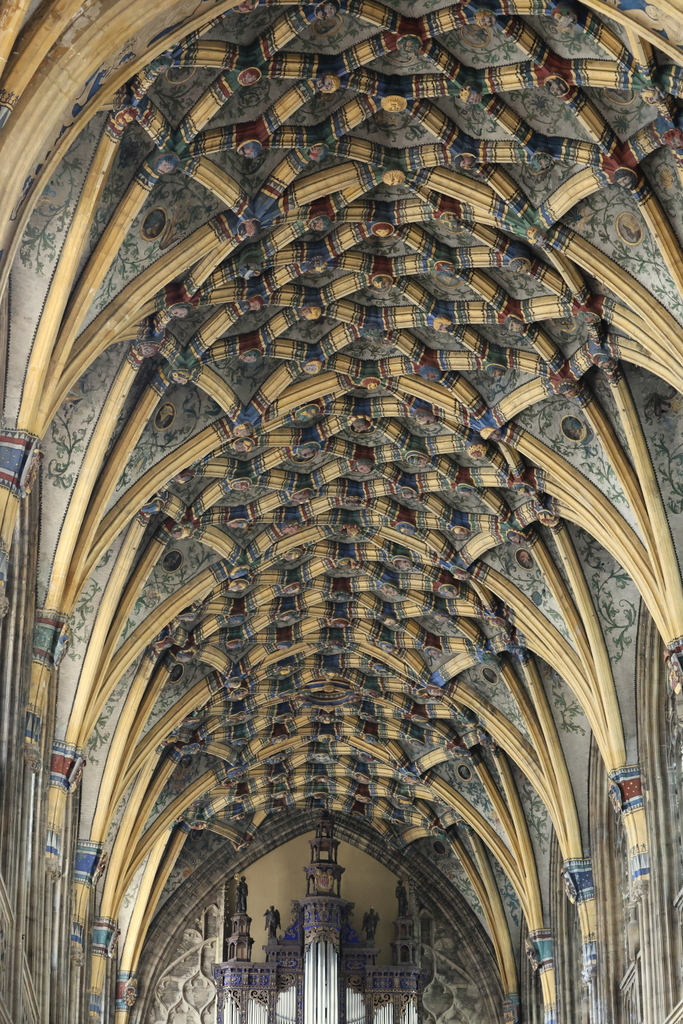
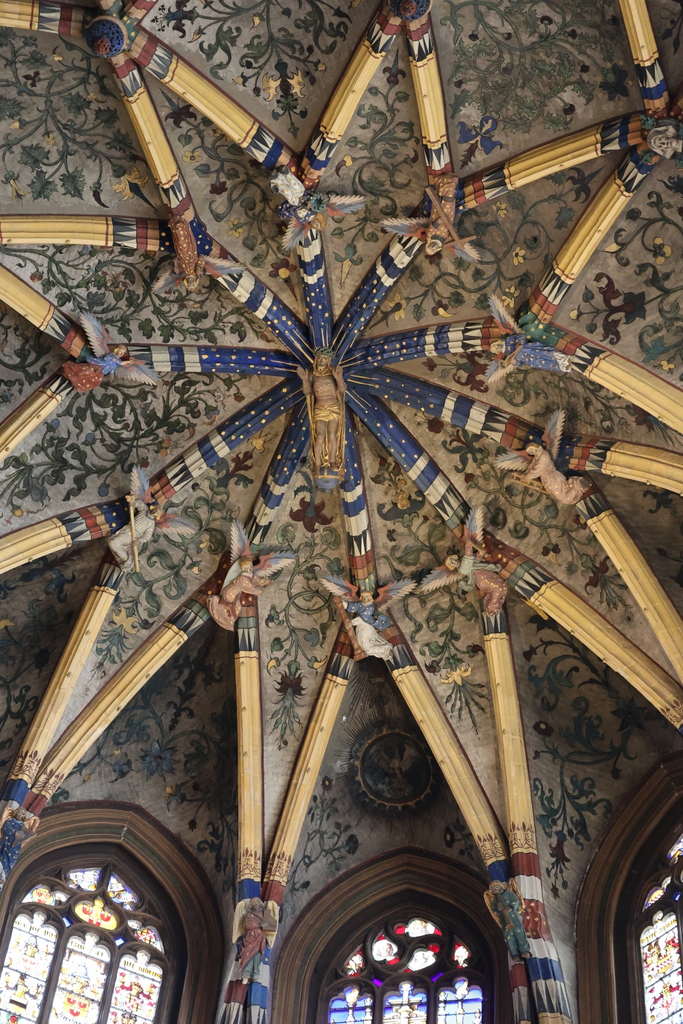
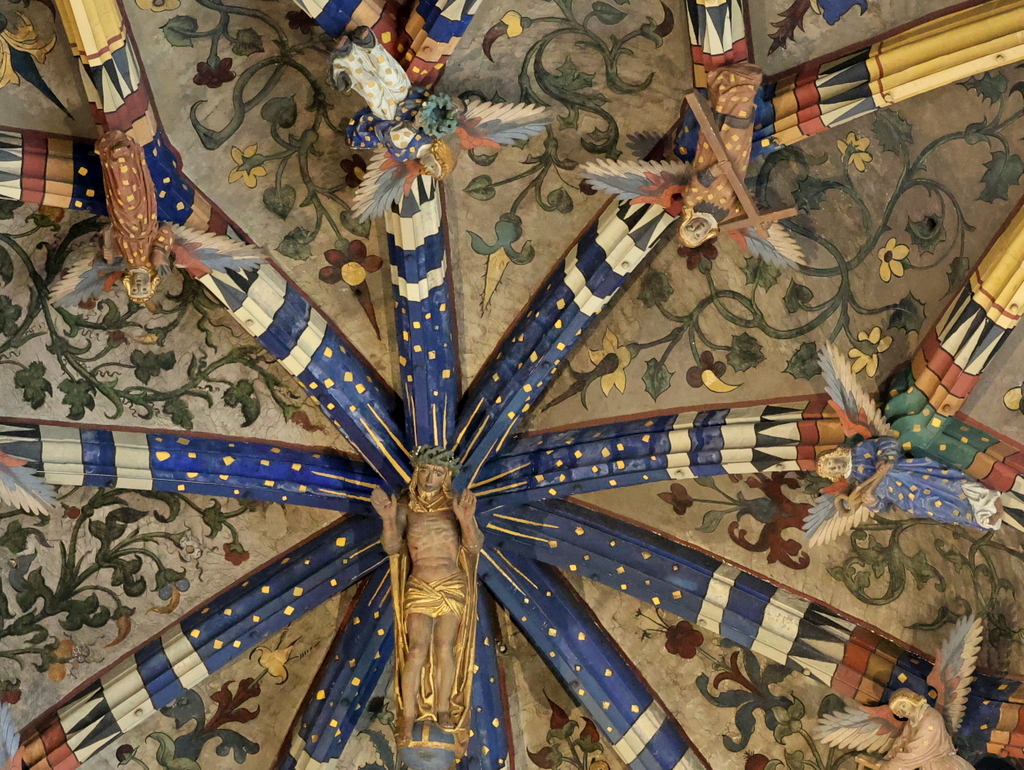
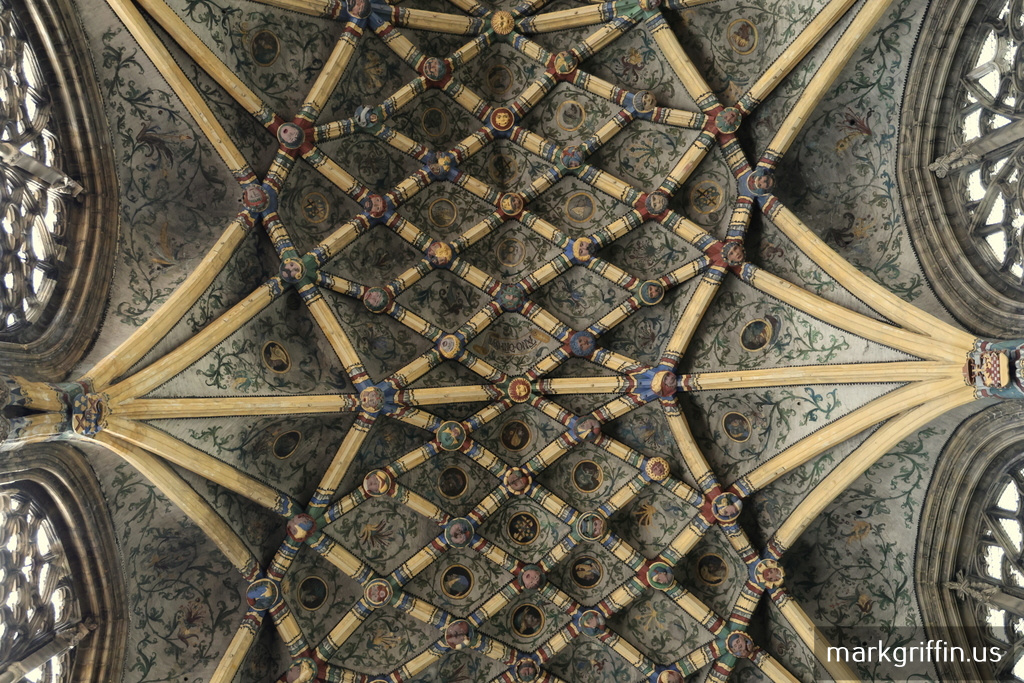
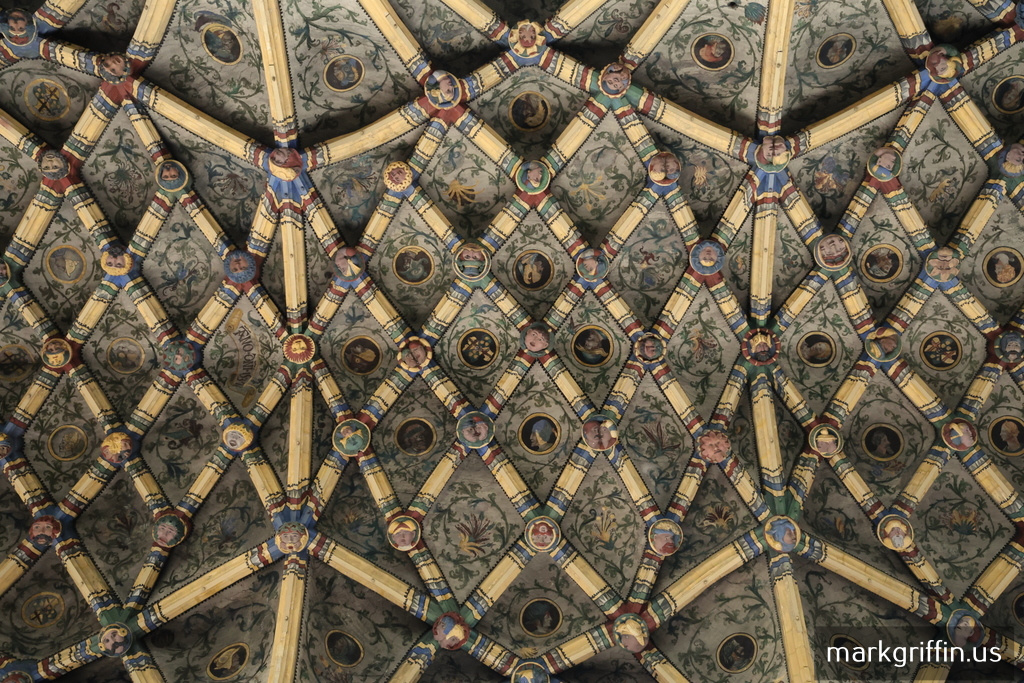
The vaults date largely from the early-to-mid 16th century, painted directly onto the stone ribbing and the panels between them. What’s remarkable is the sheer survival rate. Most Gothic churches in the region lost this kind of decorative painting to whitewashing during religious upheavals, changing tastes, or simple neglect over centuries. Saint-Jacques kept hers largely intact, which is genuinely rare. If you recall Antwerp I mentioned there’s always someone in European history who thinks ceilings should be painted white for different reasons. Here’s your chance to see what a chapel would have looked like if those people hadn’t gotten their way.
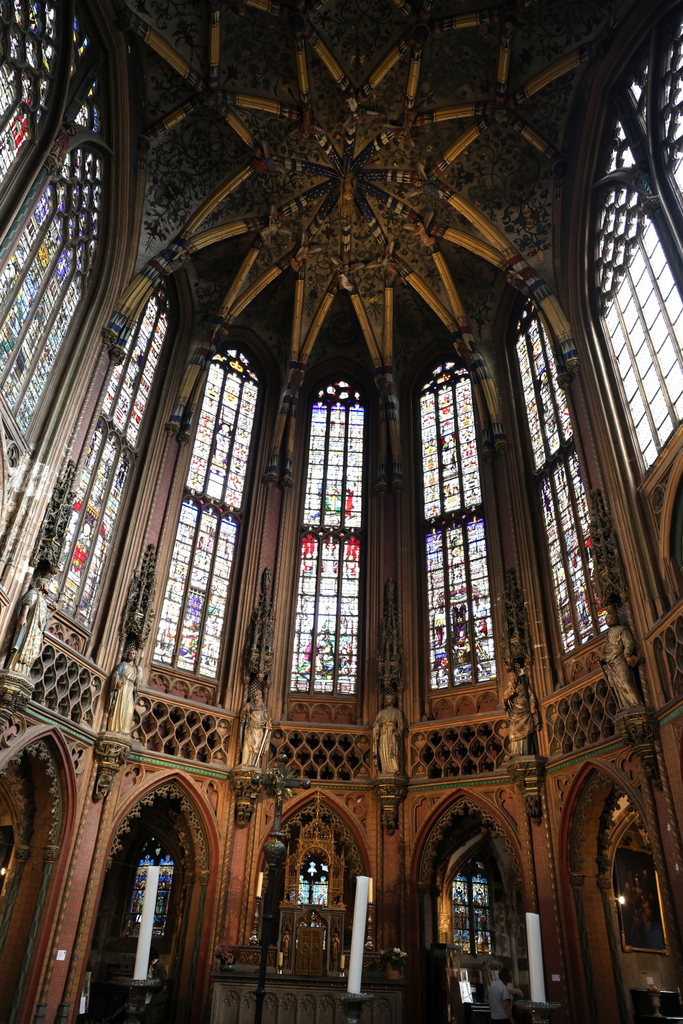
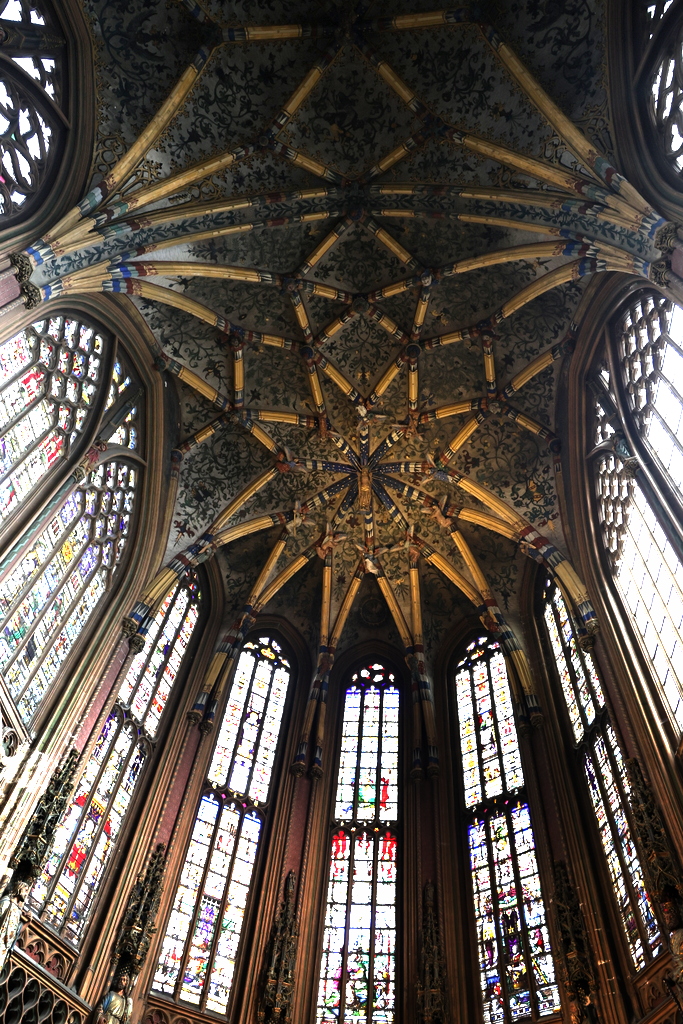
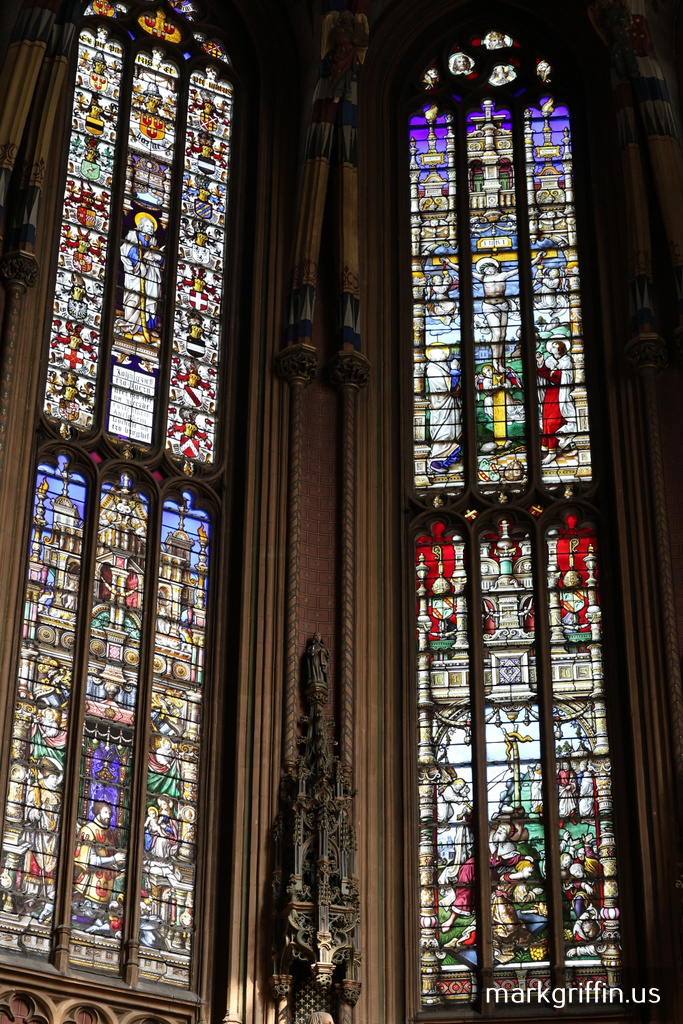
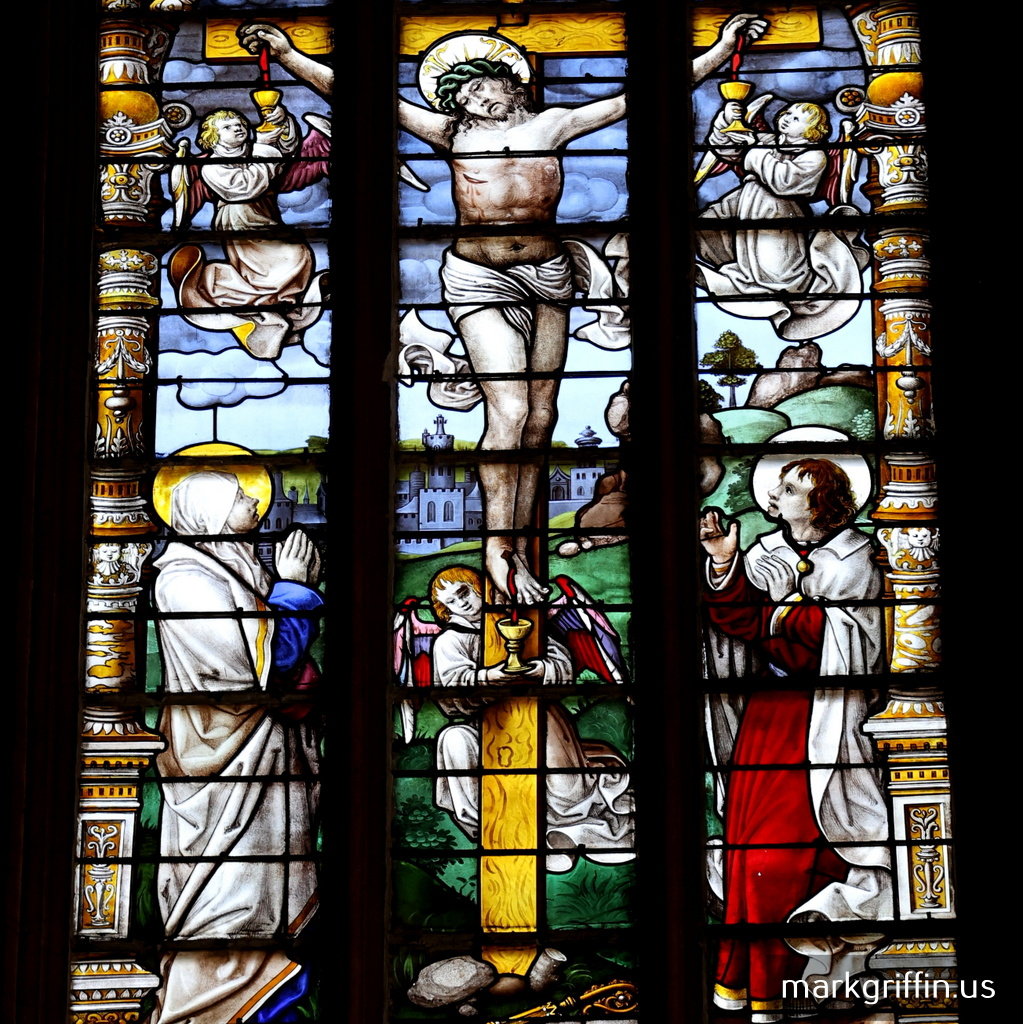
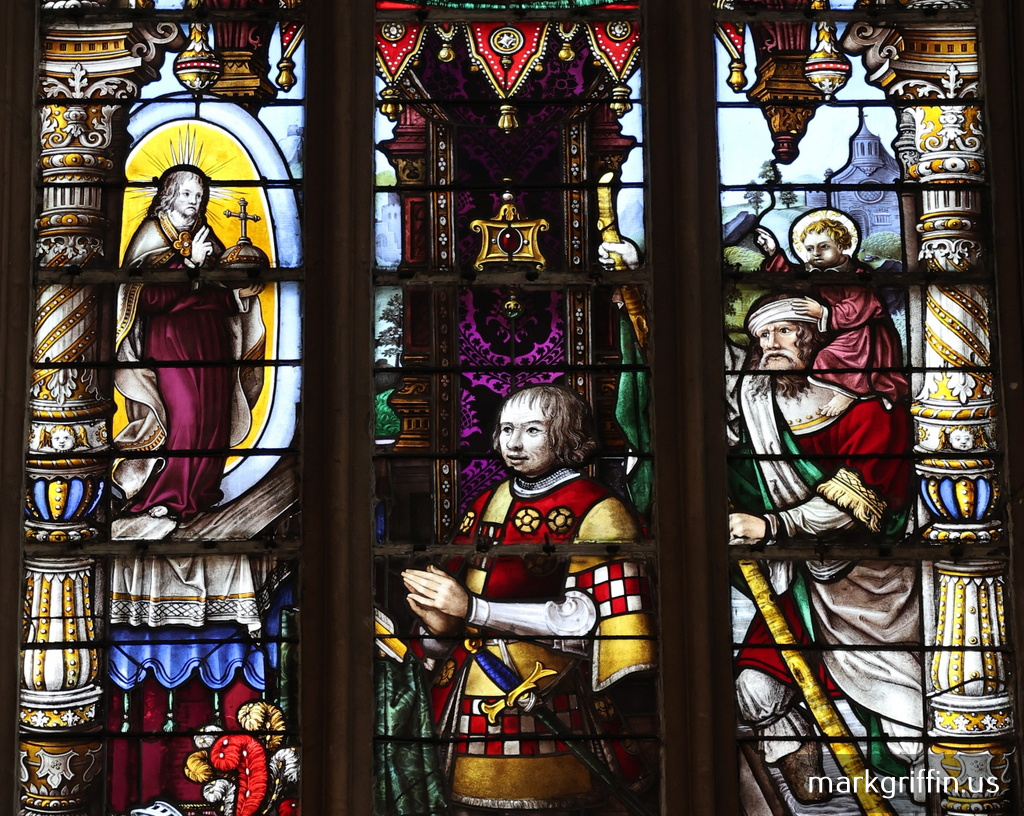
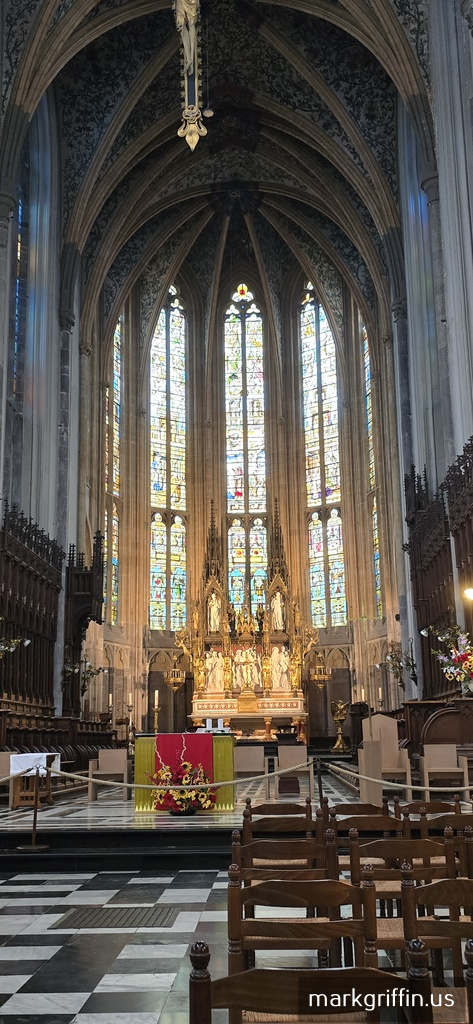
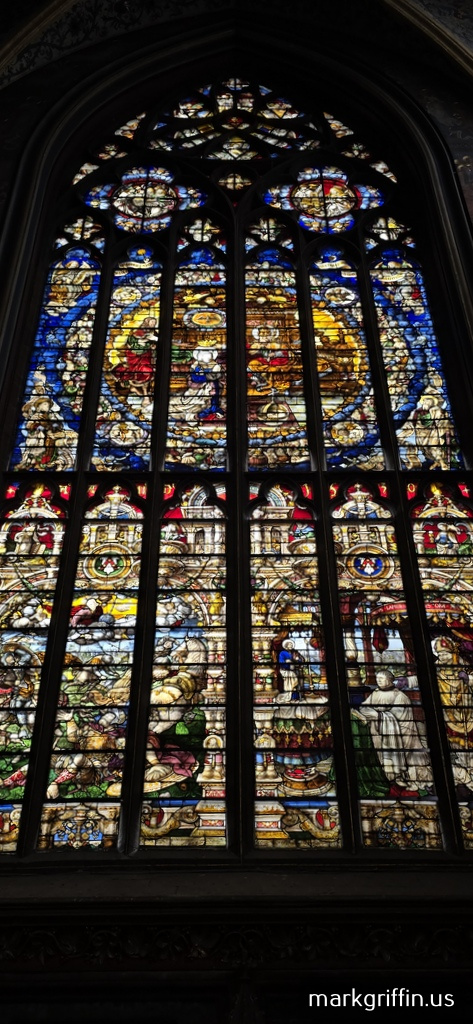
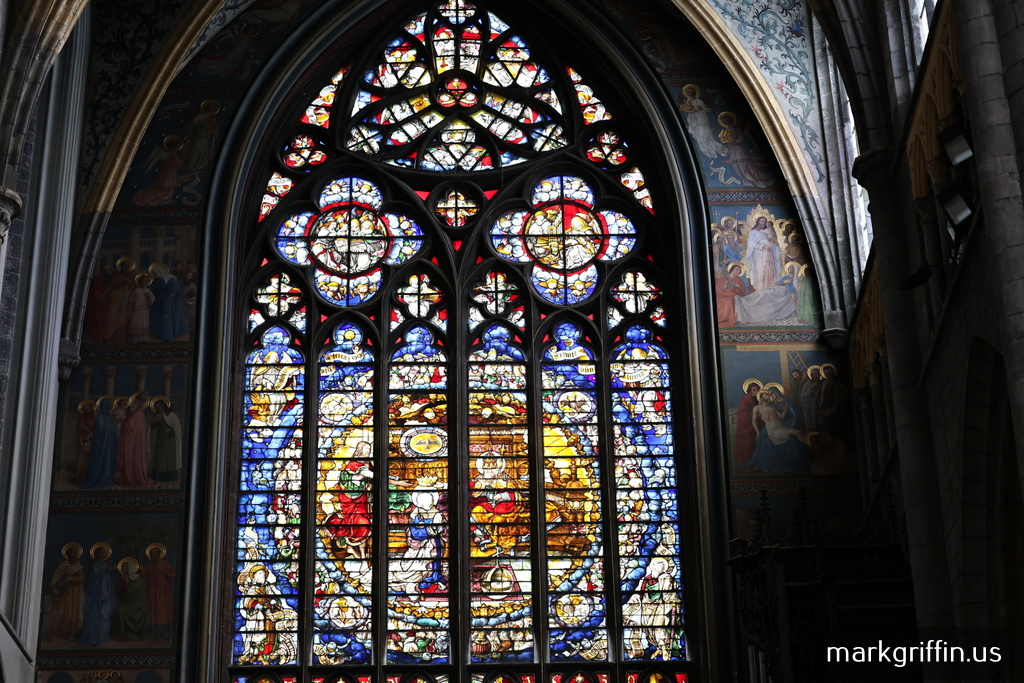
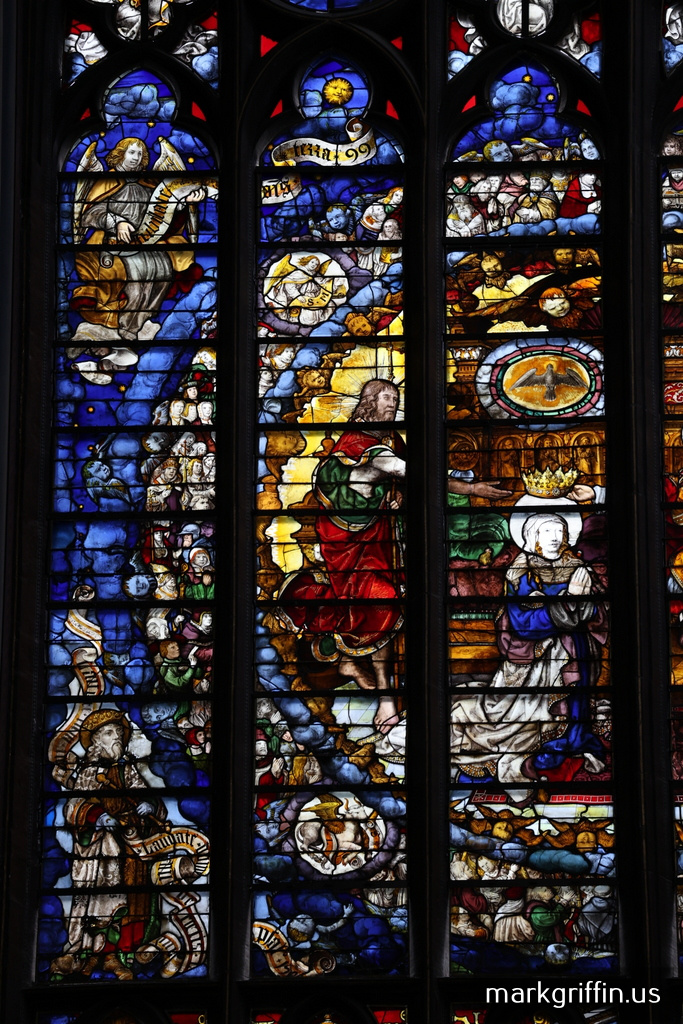
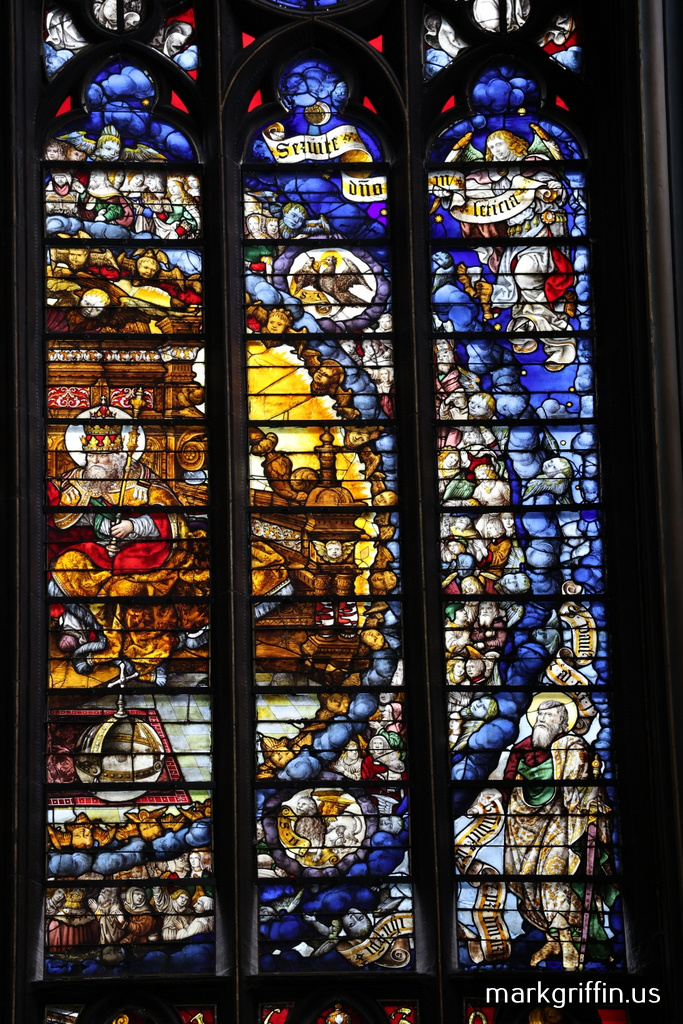
As if the ceiling painting wasn’t enough, the earliest Italian Renaissance-style glass ensembles anywhere in the region. The choir windows, dated around 1525, are the oldest windows in the Liège region decorated in the Italian style. Historians actually consider it the moment the new decorative vocabulary of the Renaissance truly arrived in stained glass. Being a 20-minute train ride from Germany, the local community had the foresight to remove all the glass before the war started, hiding it until everything was over.
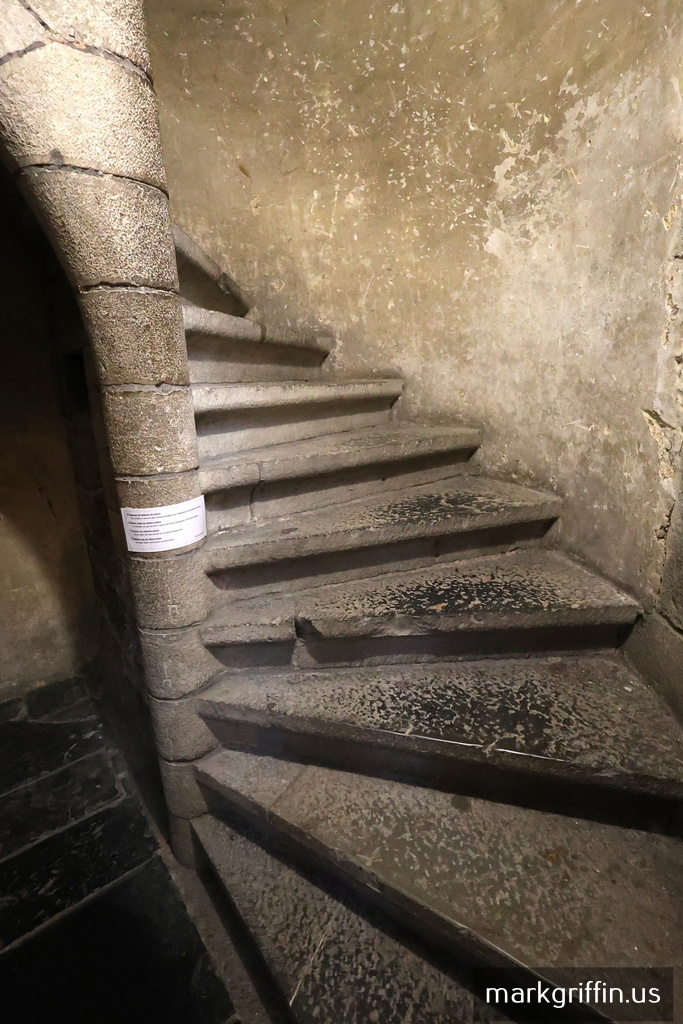
Amazing oddity #2, with the exception of the guided tour in Scotland, you never, ever get to walk in the second level of the chapel vault. This building freely lets you hike some steep stairs and see where the priests hung out.
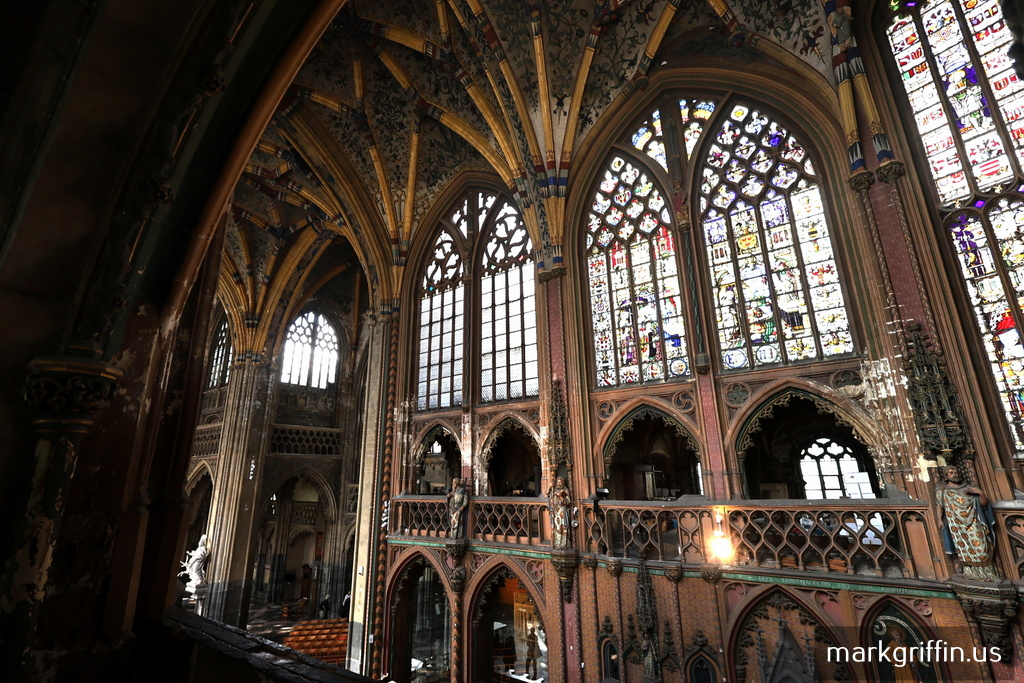
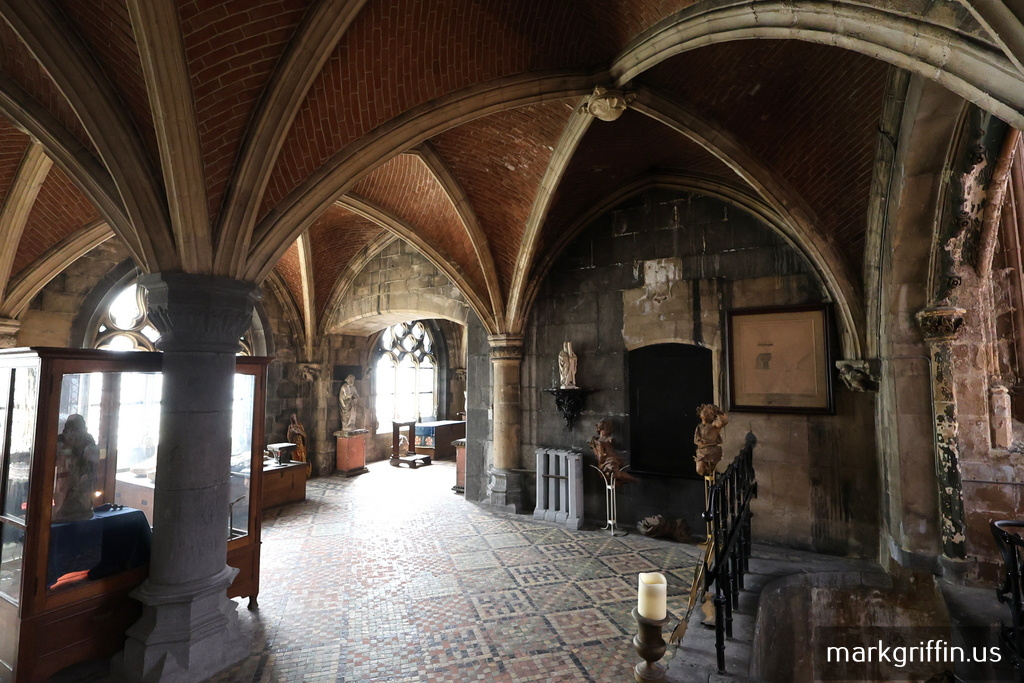
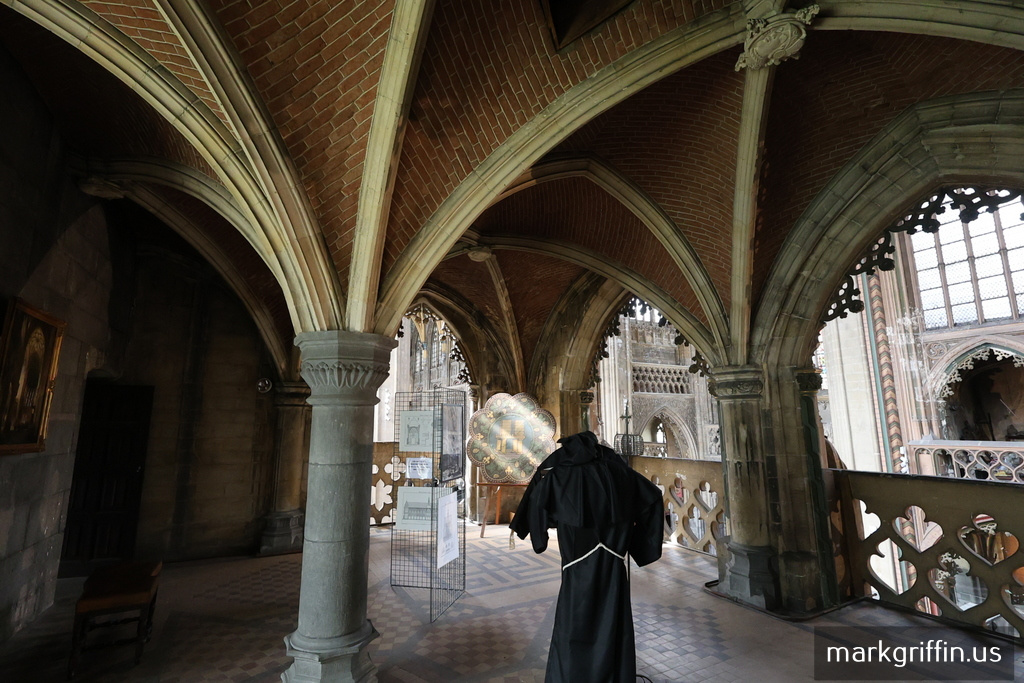
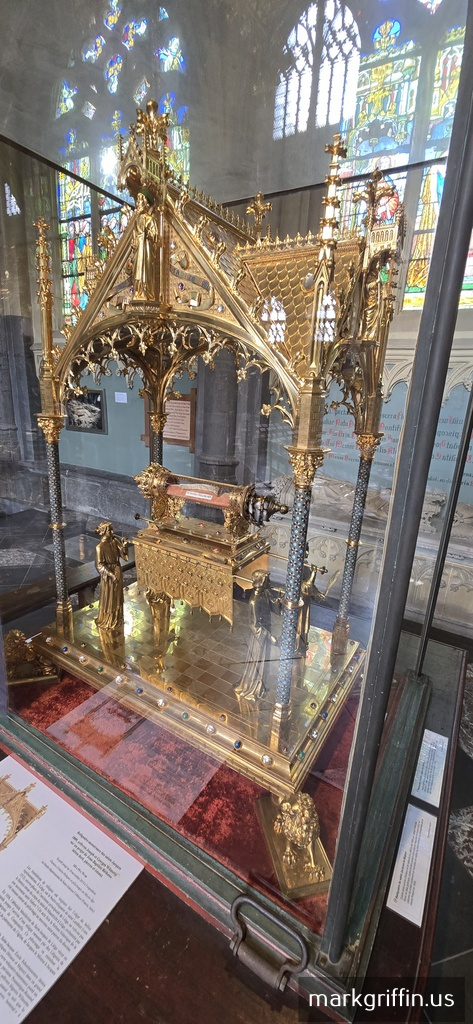
In the grid below, the first image brings us again back to Antwerp and Spain. In 1056, a group of Liégeois pilgrims return from their journey all the way to Santiago de Compostela carrying a relic connected to Saint James. After all, Santiago de Compostela is believed to hold the remains of St James. This trek wasn’t fully about religion, it was also early marketing, rebranding if you will. Relics were medieval tourism infrastructure. A verified relic of a major saint drew pilgrims, and pilgrims meant money, prestige, and political weight for a city. Be sure to click on any of the images below to see the detail of the ceiling panting.
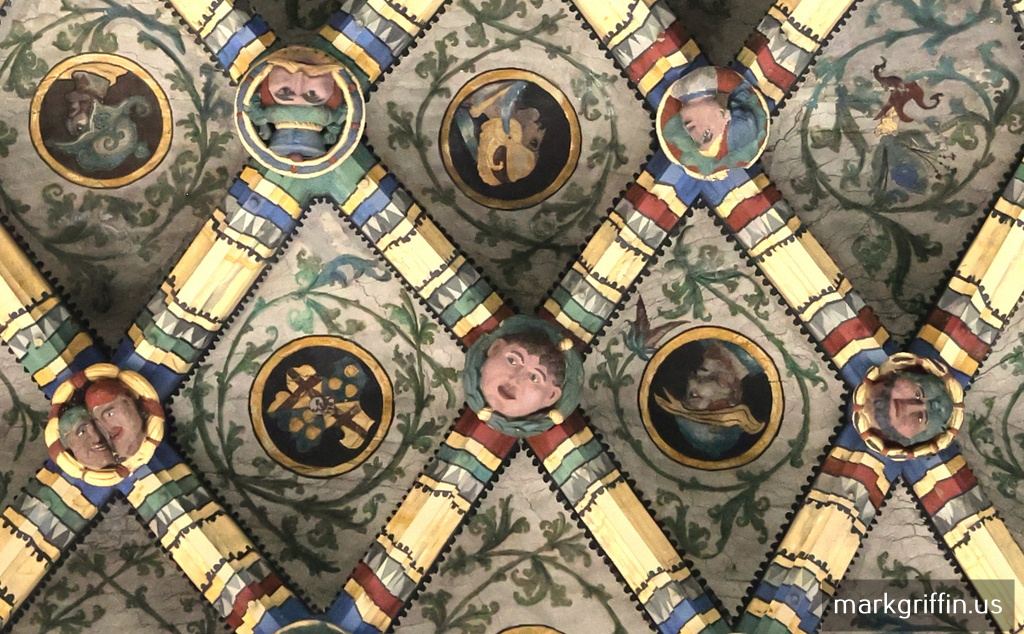
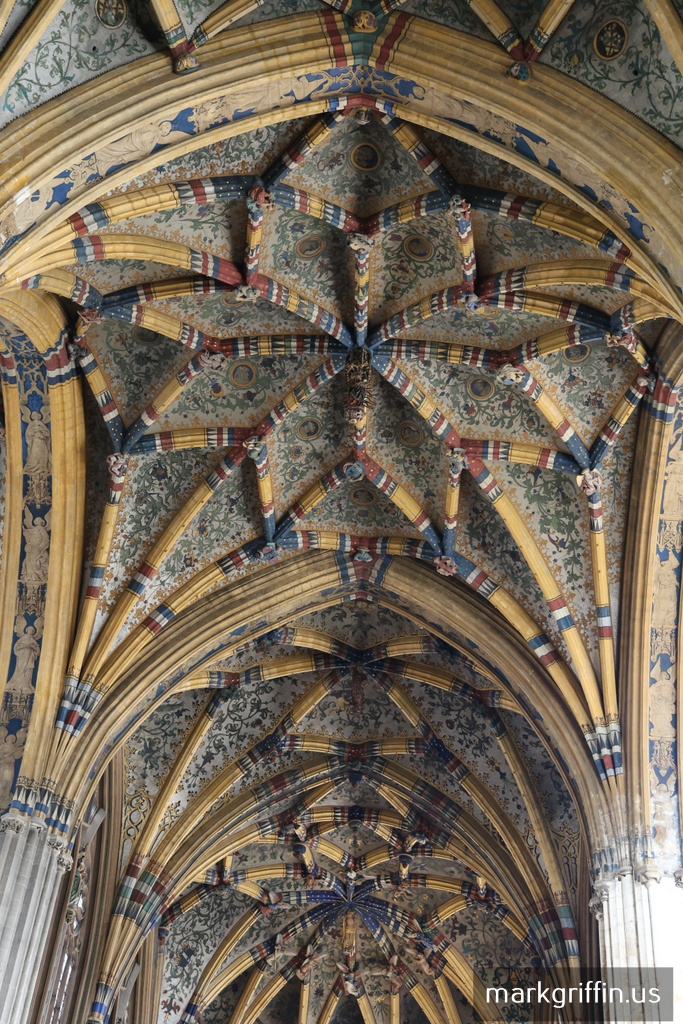
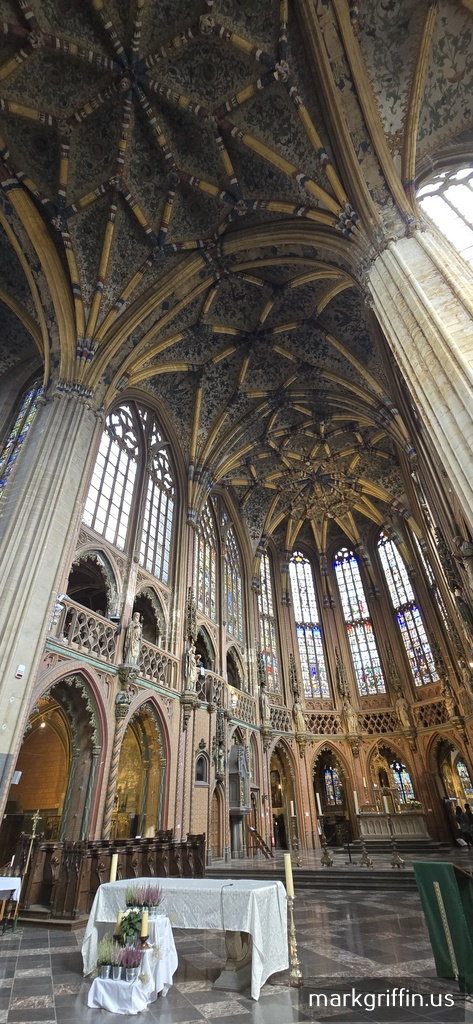
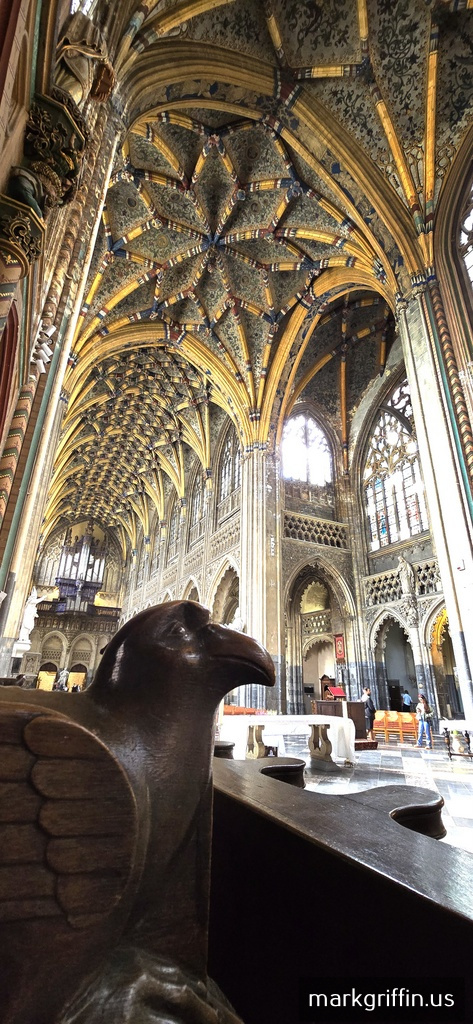
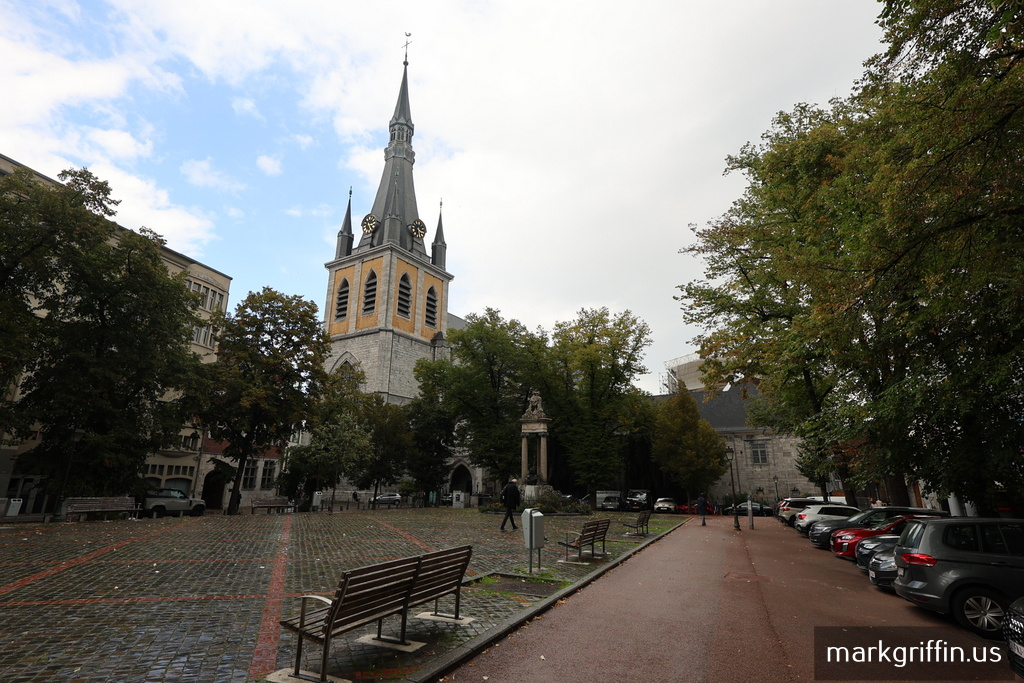
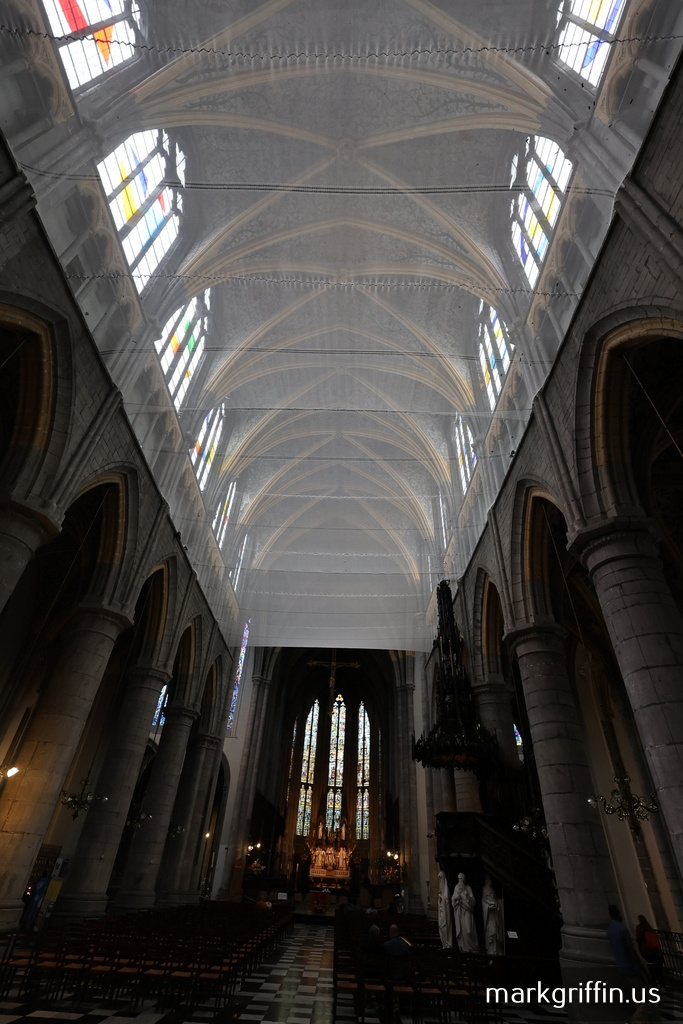
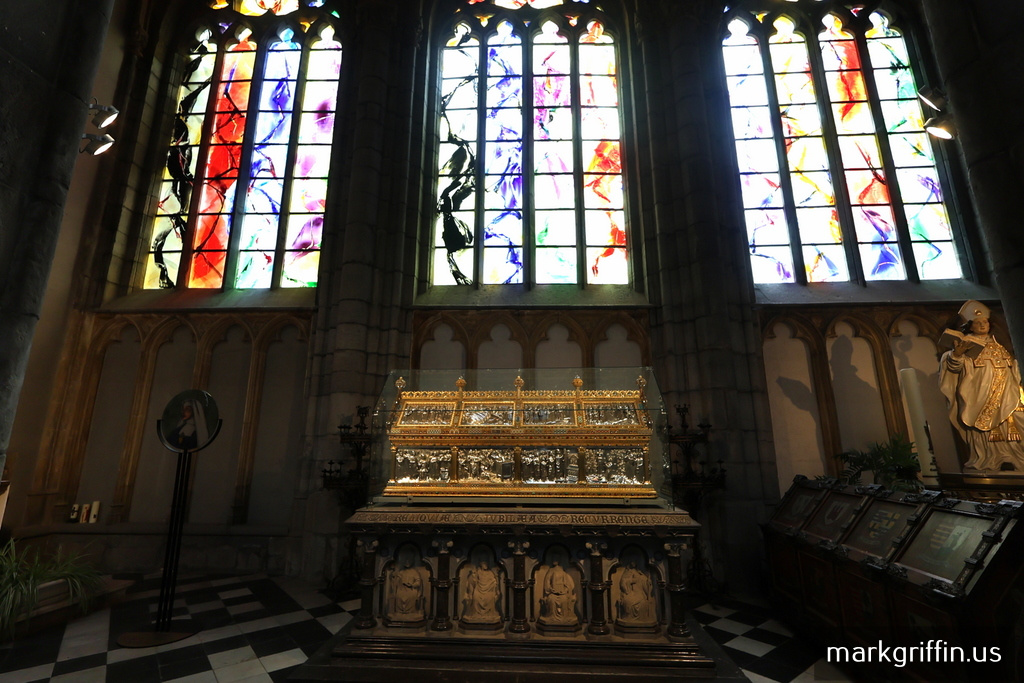
As glorious as this building was, the locals felt it was too far away from the town center. Welcome to St Paul’s Cathedral. During the French Revolution it was looted and desecrated, but the building survived. During the same revolutionary period, Saint-Paul was requisitioned and used as a stable and slaughterhouse, stripped of its metal, its best stained glass smashed with the lead melted down for bullets, its furnishings auctioned off, and its cloisters turned into livestock pens. So, yeah, not as grand, colorful history, smaller, etc. Mind you, it’s a 7-minute walk apart. Regardless, this became the concentrated cathedral of the city. It’s not grant, its not large but it’s closer to people’s homes.
Fun fact about the city, things all close by 5pm. If you’re coming here for a half-day visit, get here early. Don’t make this a full-day trip.