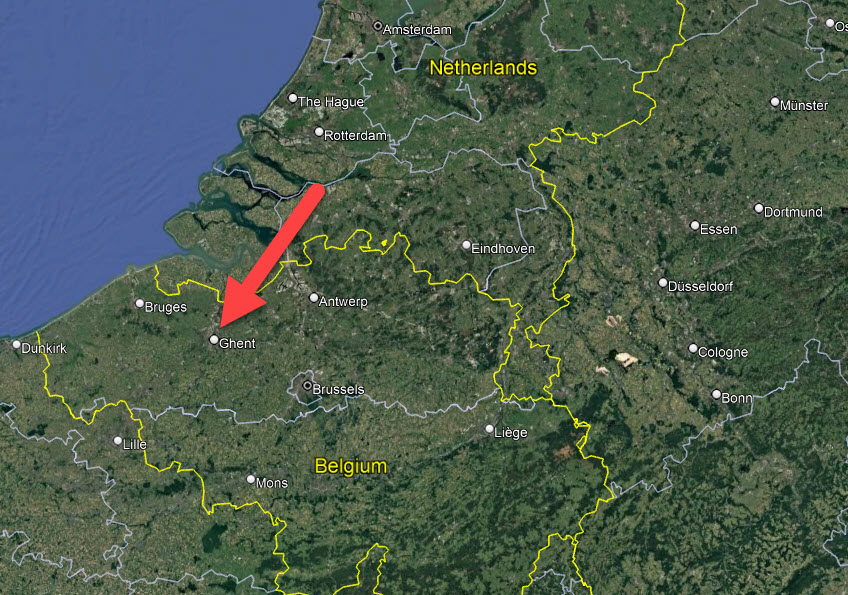
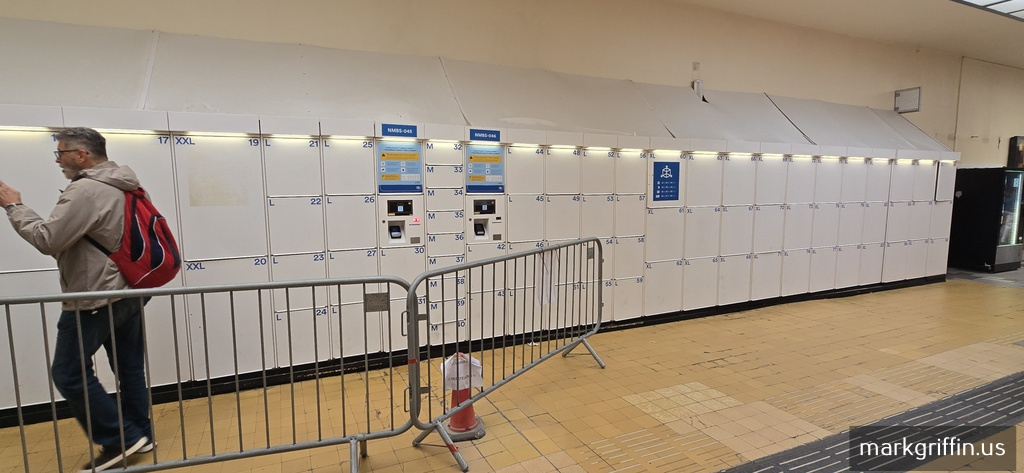
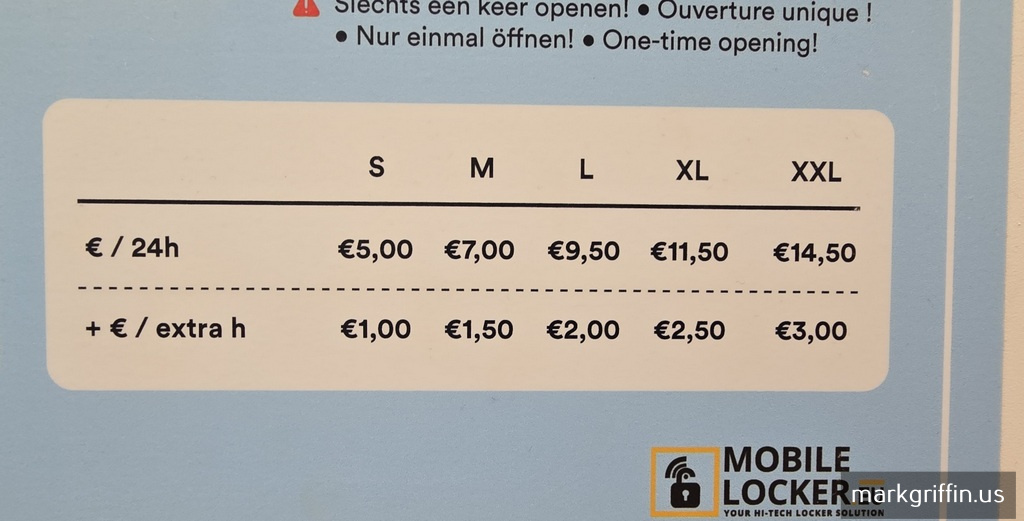
Change of plans today. Lille, France isn’t as easy to get to as online tools would lead you to believe. It’s 2 hours and 2 transfers away. Le’t use that time and see what we couldn’t see the other day – Ghent. Back to the train station, grab a breakfast sandwich, admire the reasonabily priced suitcase lockers, then enjoy the 30 minute non-stop train.
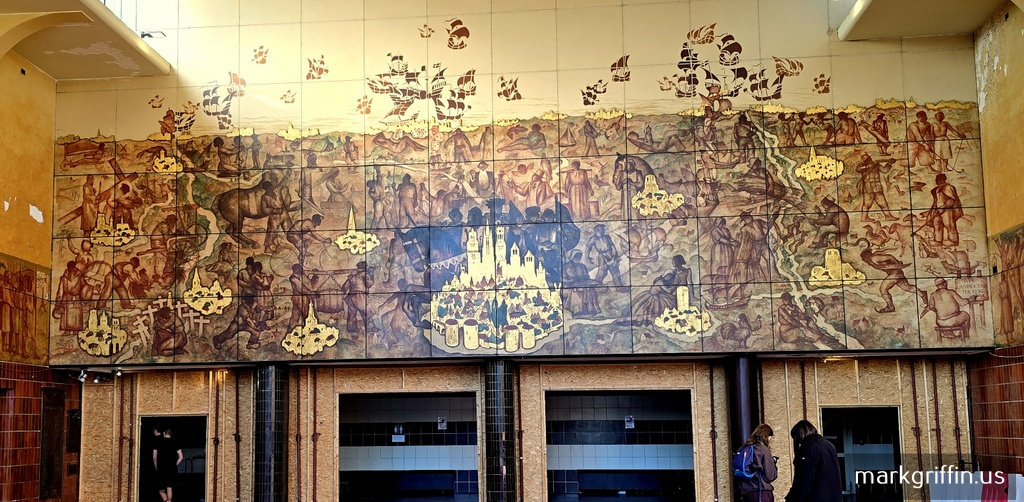

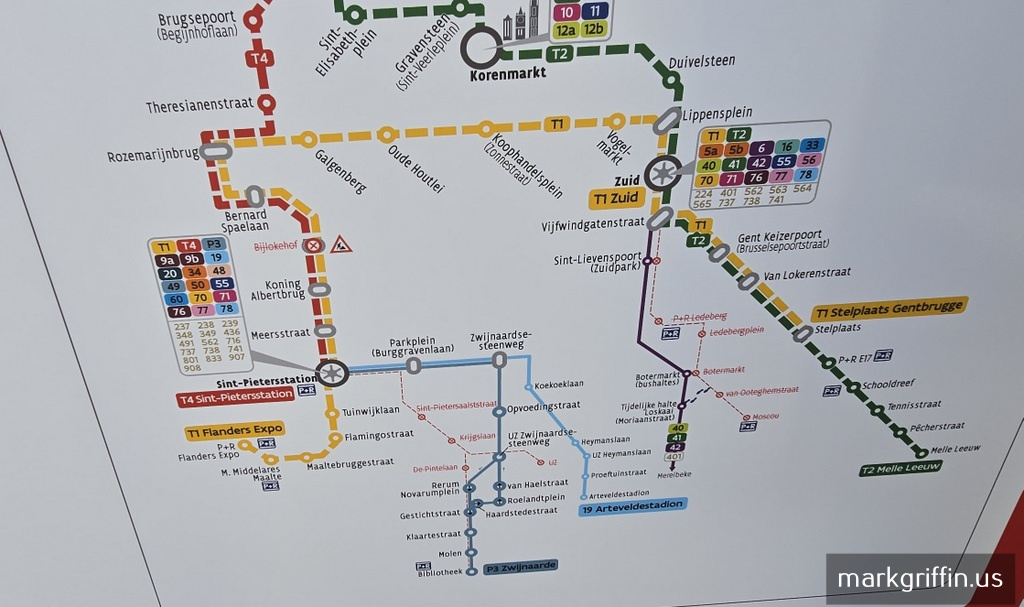
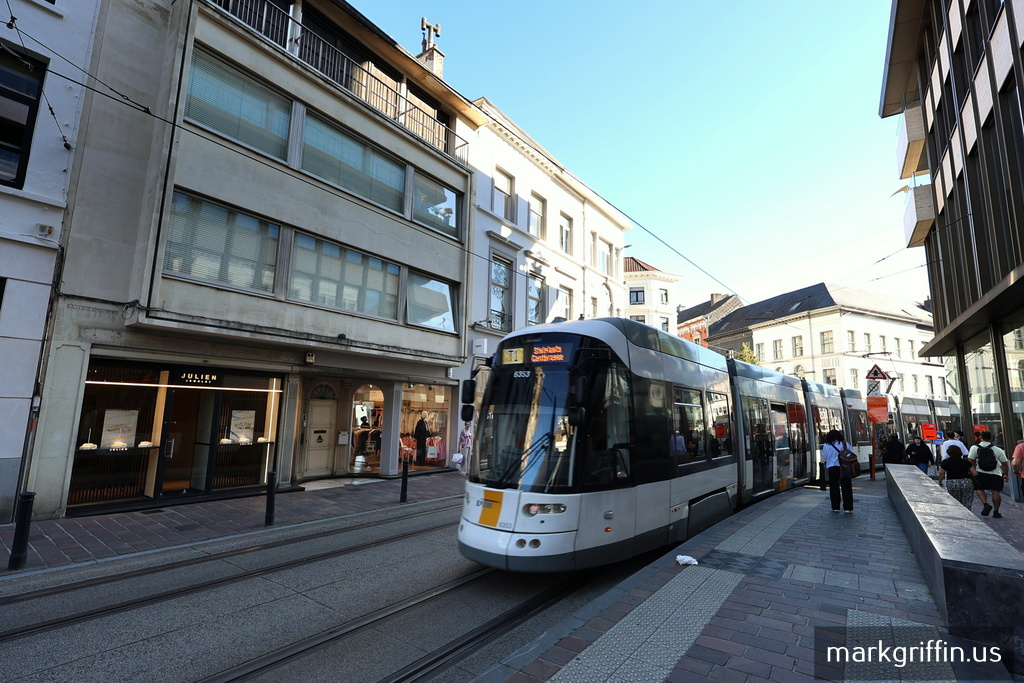
I must be getting older because I’m embracing taking the $3 one-way bus ride from the train depot to the center city. Trolley / bus ride is 10 minutes. Walking is more than 30. Bonus: if you are a tourist and use their app to buy train / bus tickets you can join their ‘rewards’ program for $5 to get 40% off kiosk-bought tickets. Heck yes! First class train tickets for less than Second Class.
I’m also becoming a fan of AI being my tour guide. Now that most programs have a text-to-audio component I can ask a historical or location question, click the play button and get the same experience as purchasing some boring pre-recorded guide each venue offers. Great use for those international data plans!

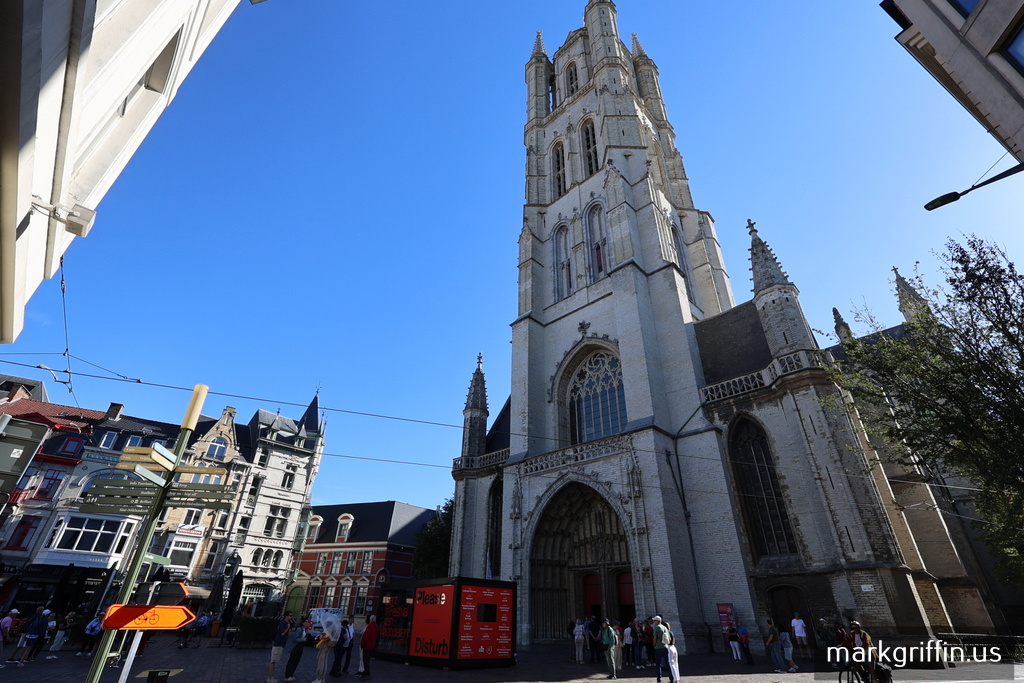
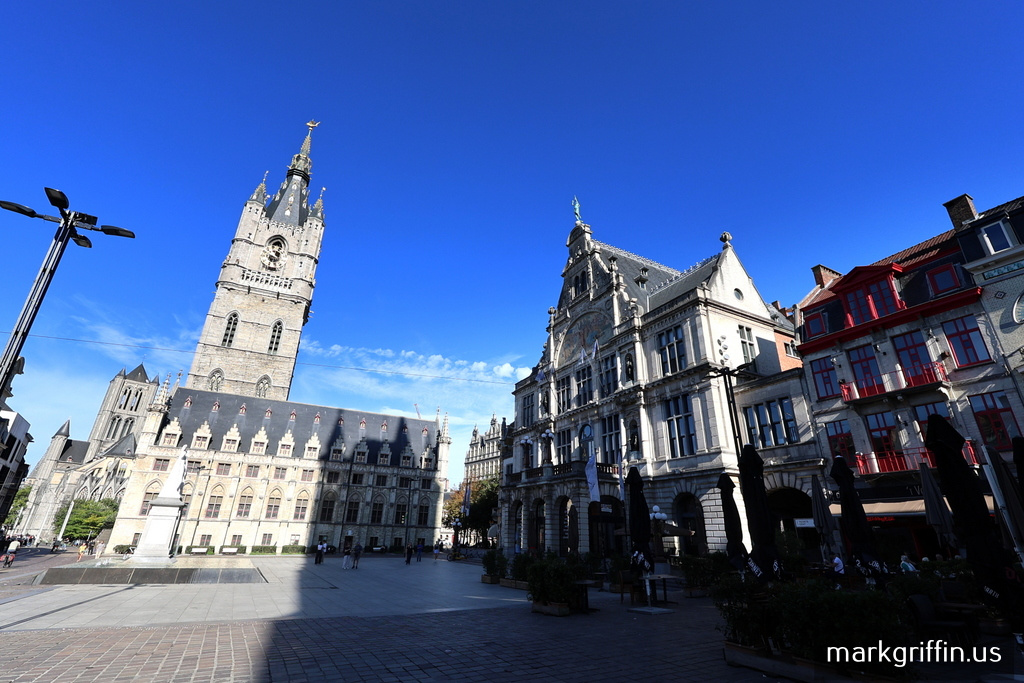
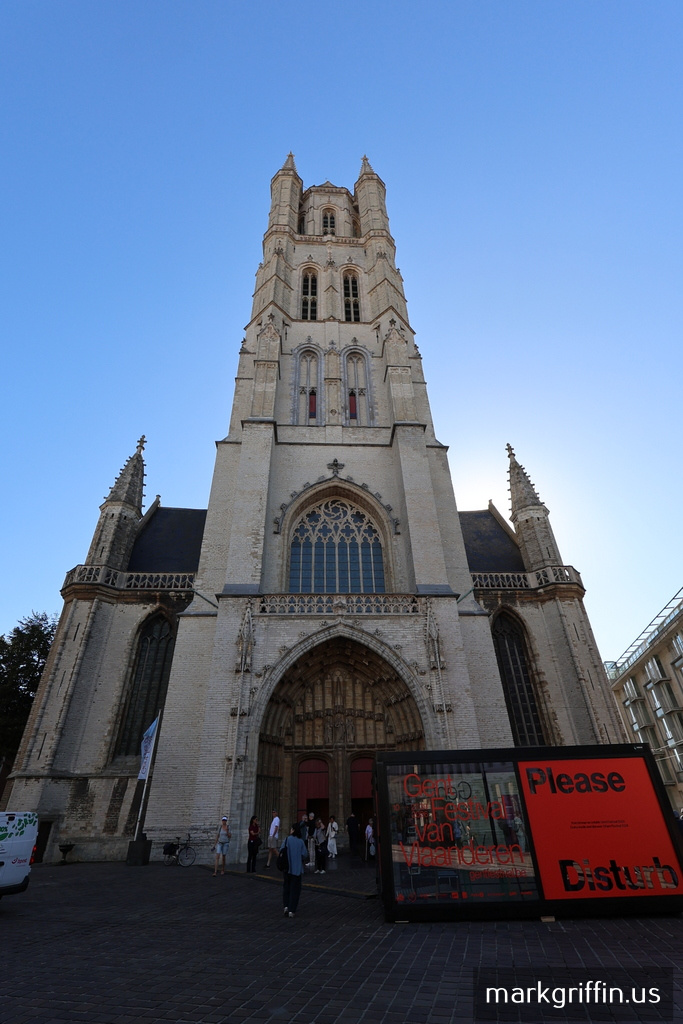
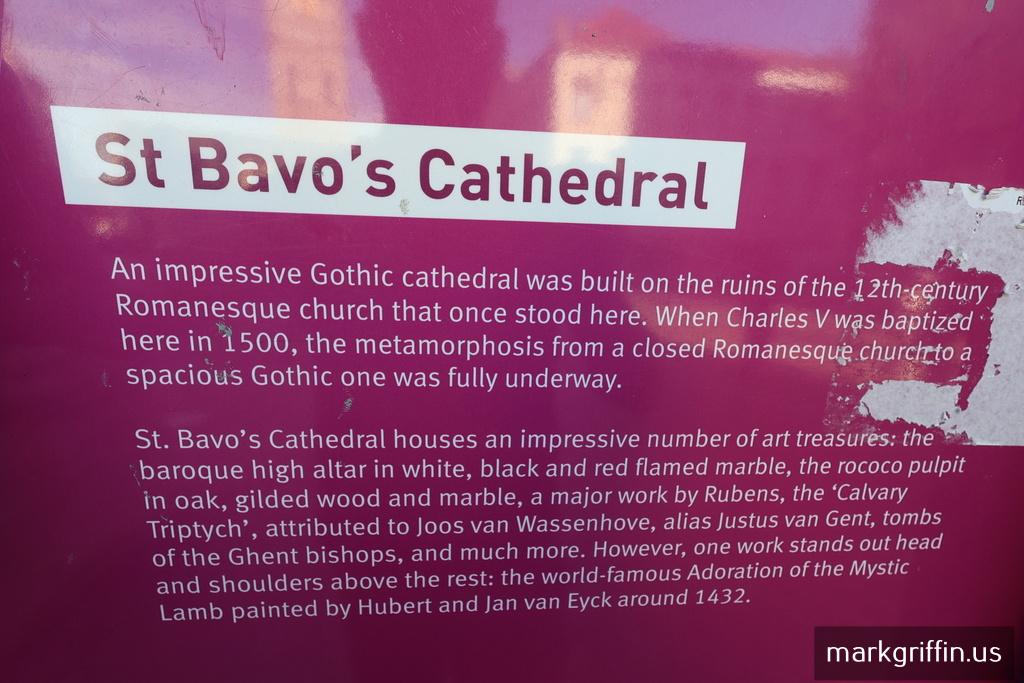
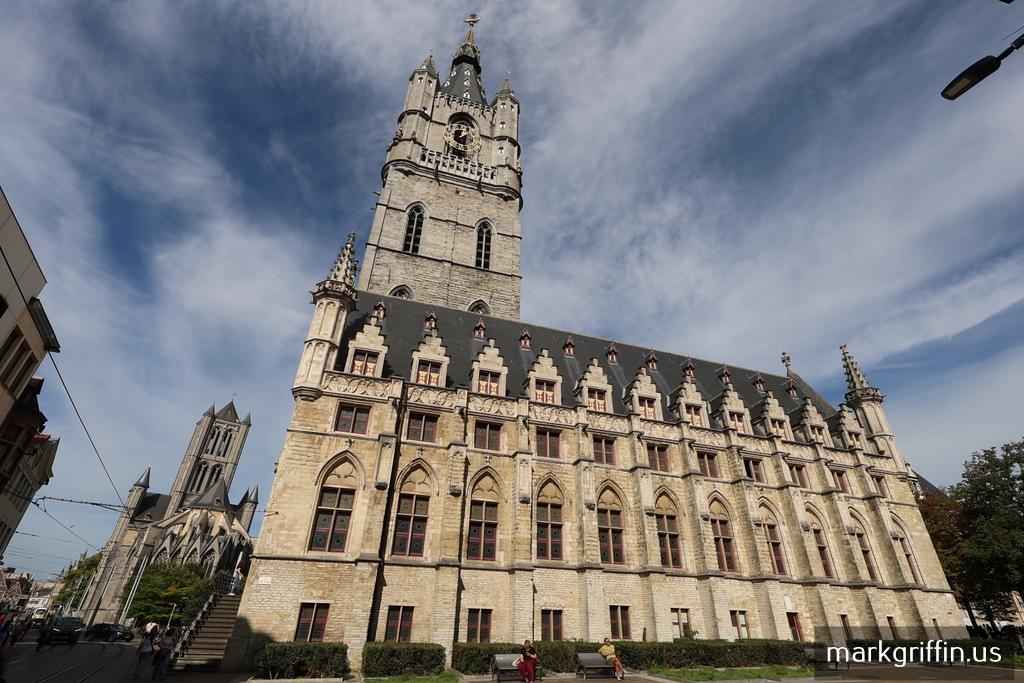
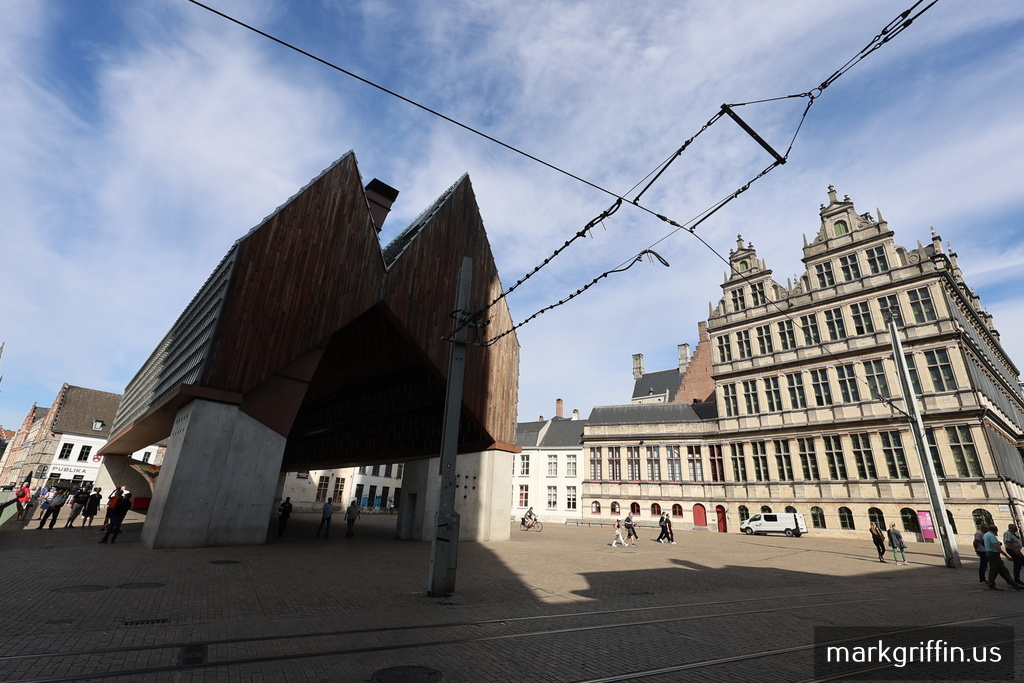
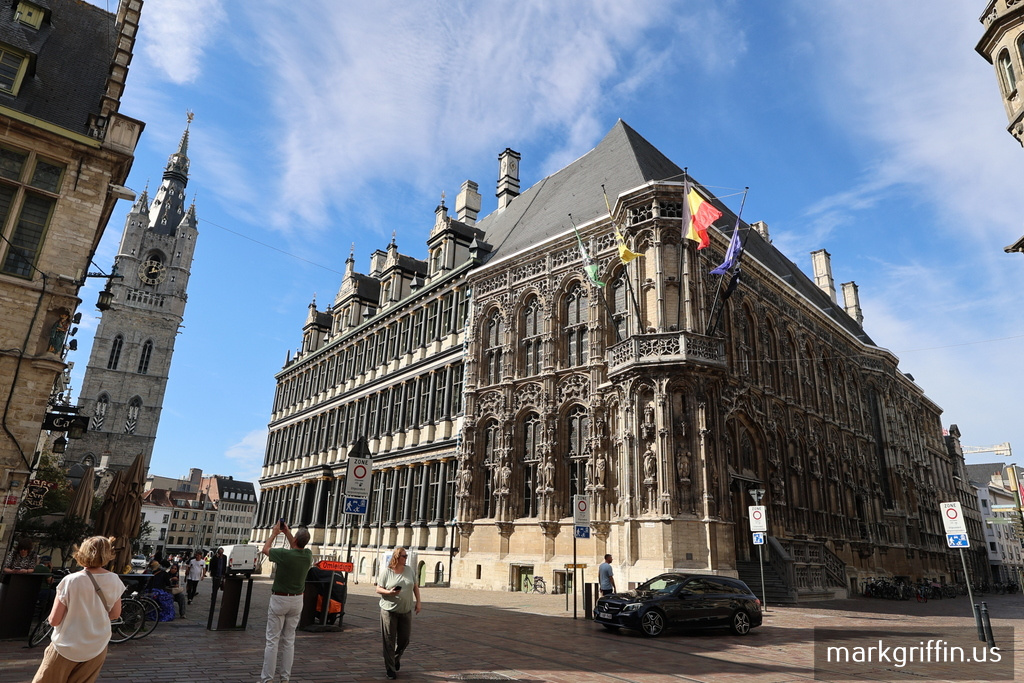
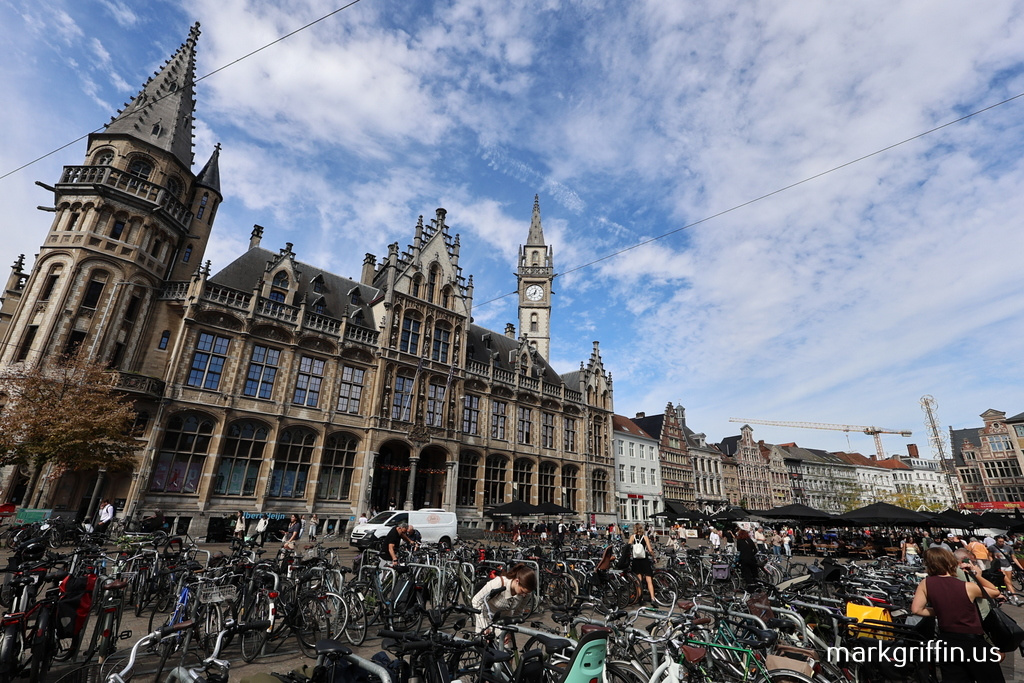
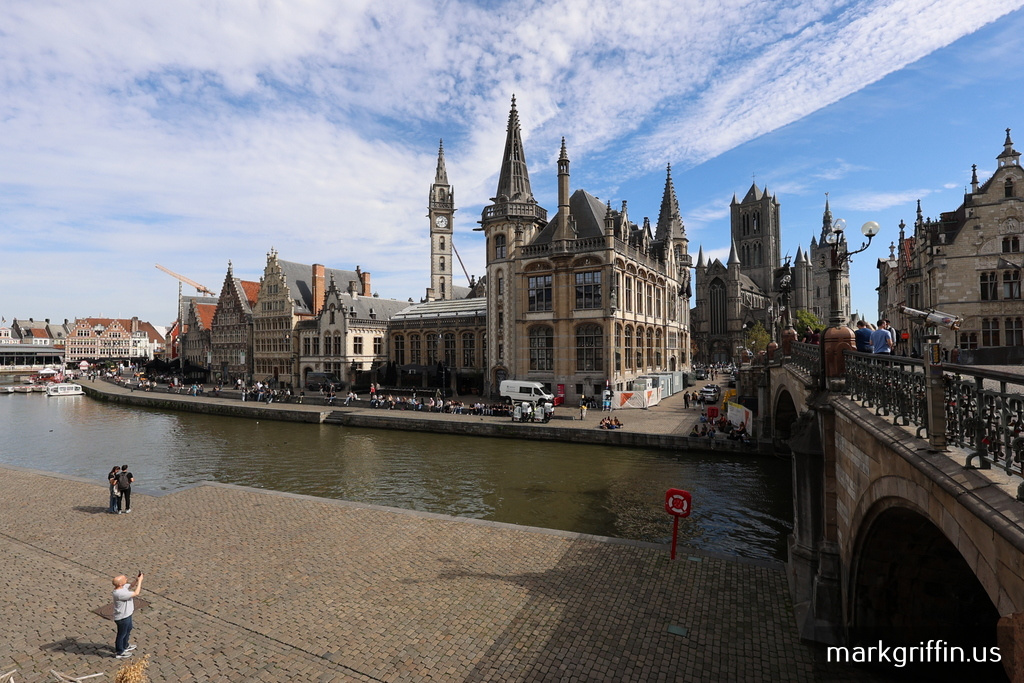
This one square holds most of the history of the region.
St. Bavo”s church holds one of the most influential art pieces of all the Western galleries. The Ghent Altarpiece. Jan van Eyck’s 1432 masterpiece not only set the world a blaze a few years ago but it’s also the single most stolen artwork in history. It’s been swiped or looted 13 times, including by Napoleon and the Nazis. One panel, “The Just Judges,” was stolen in 1934 and is still missing. A replica hangs in its place today.
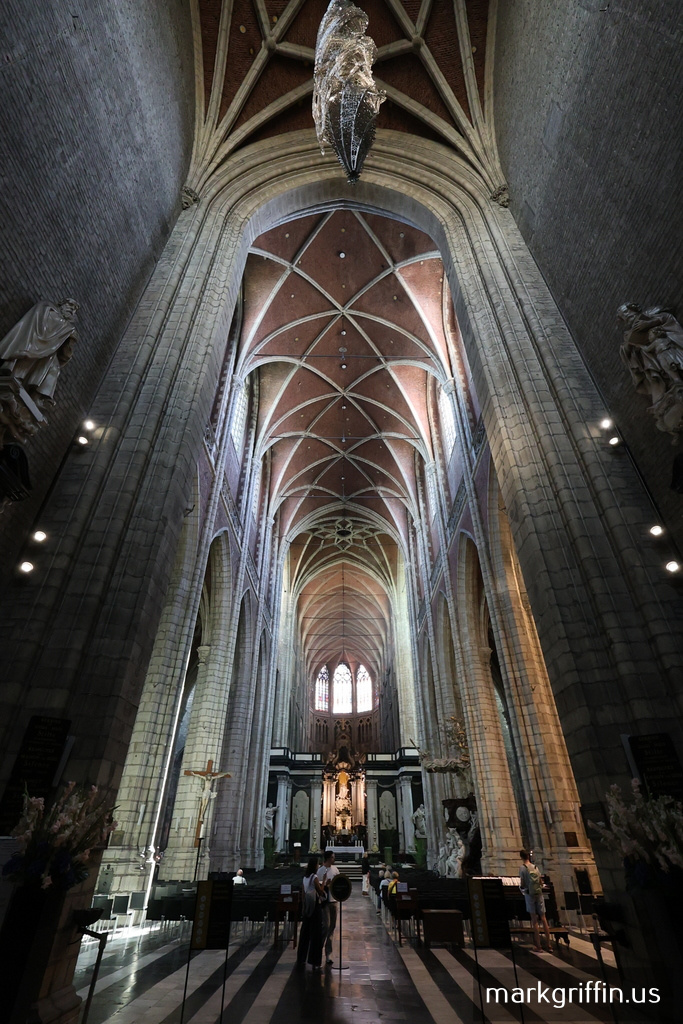
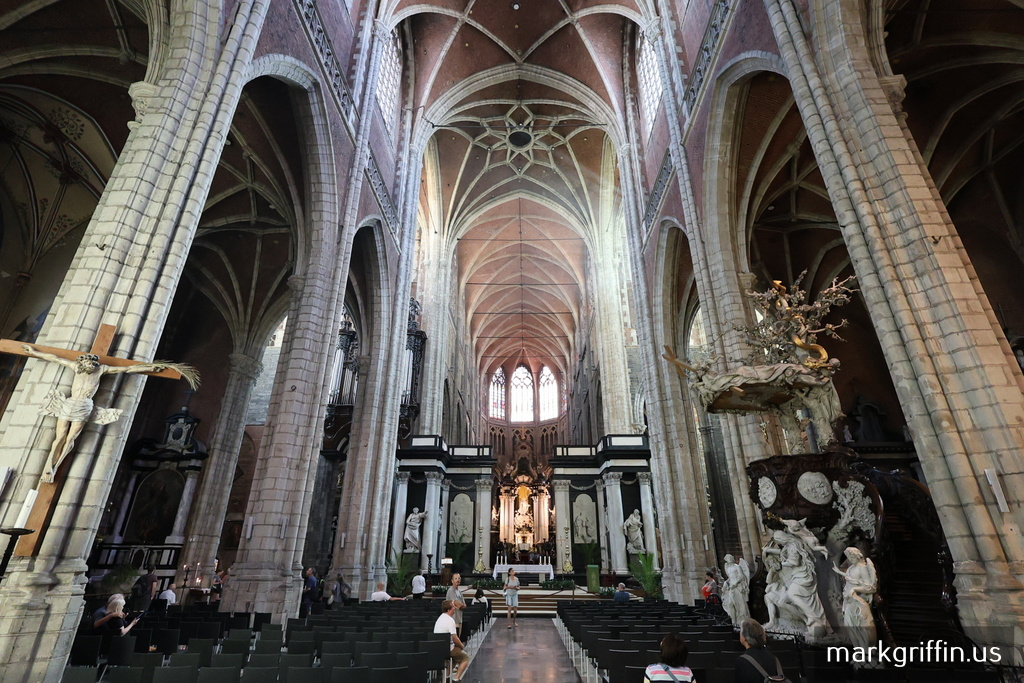
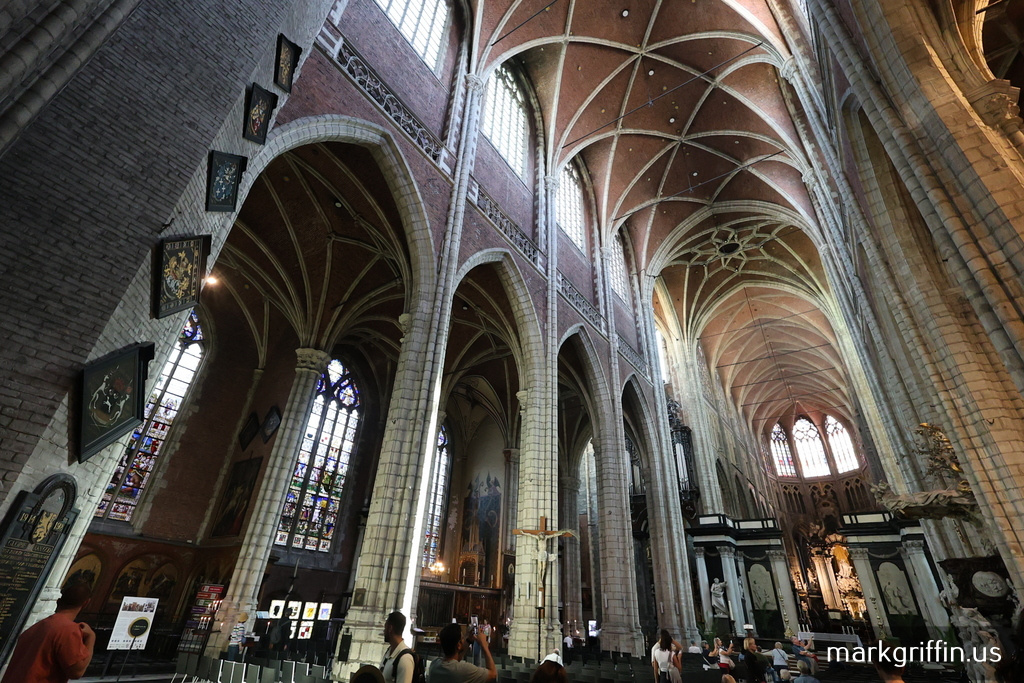
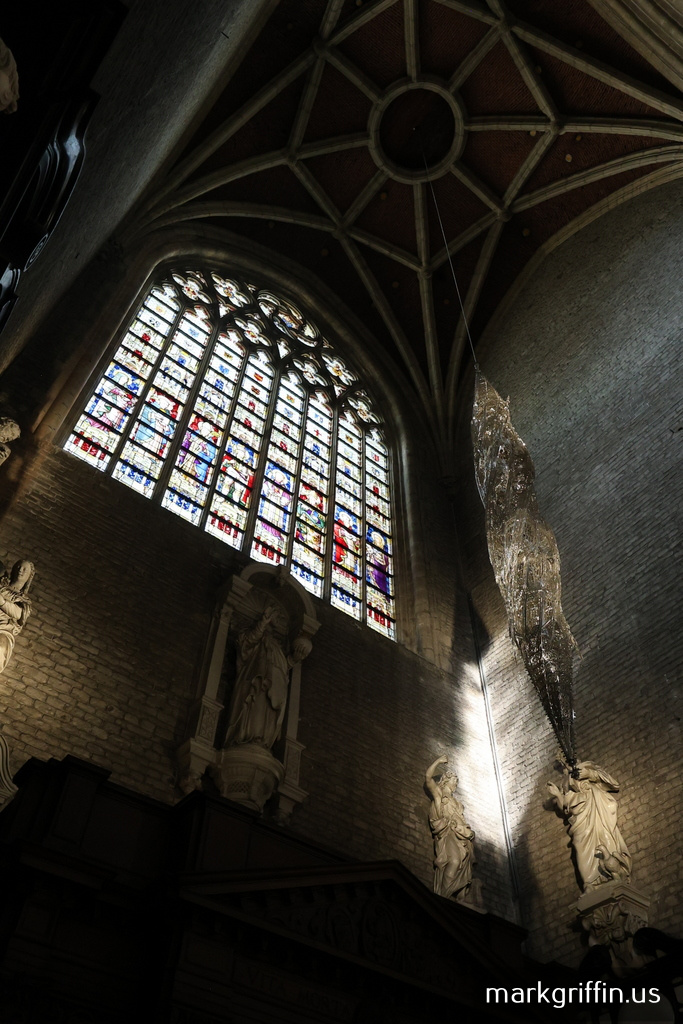
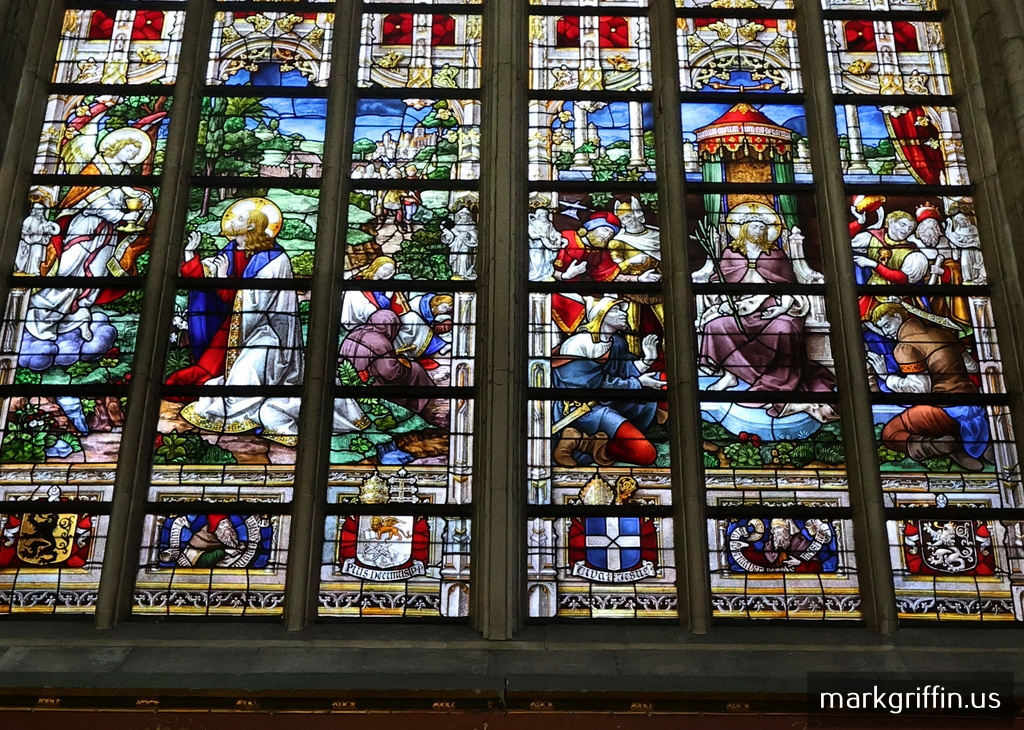
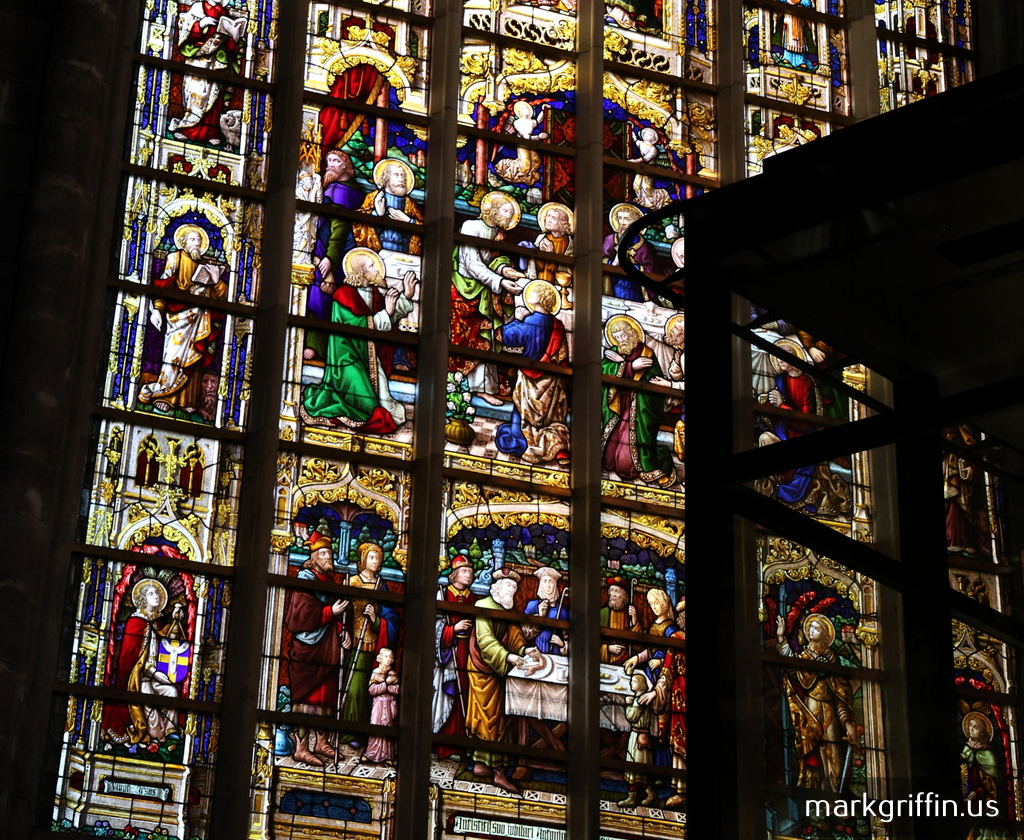
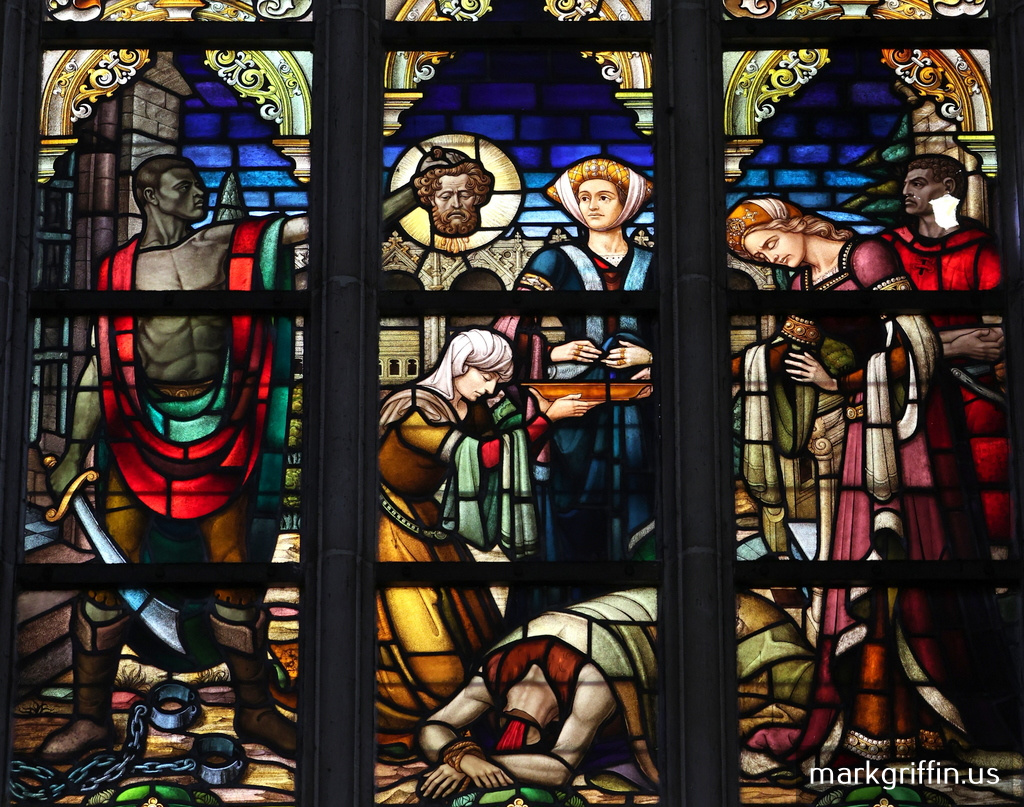
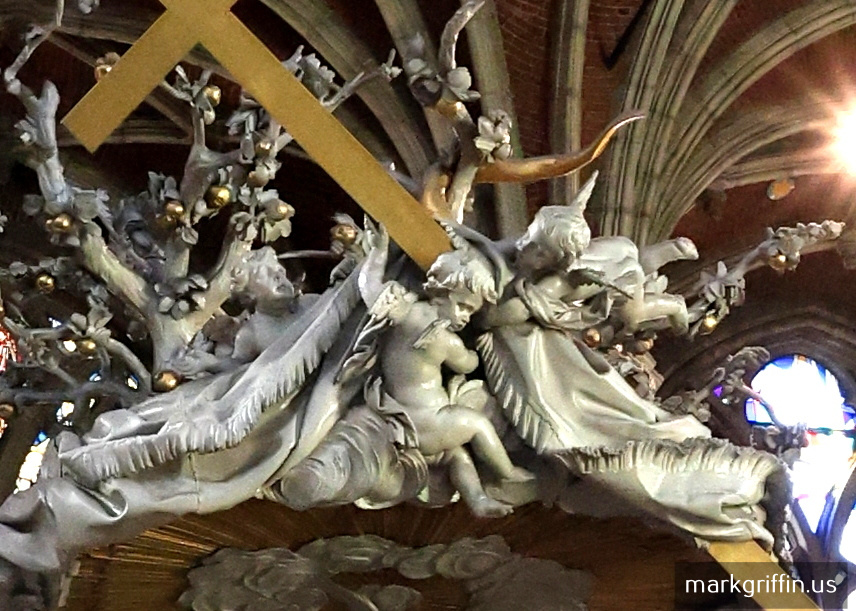
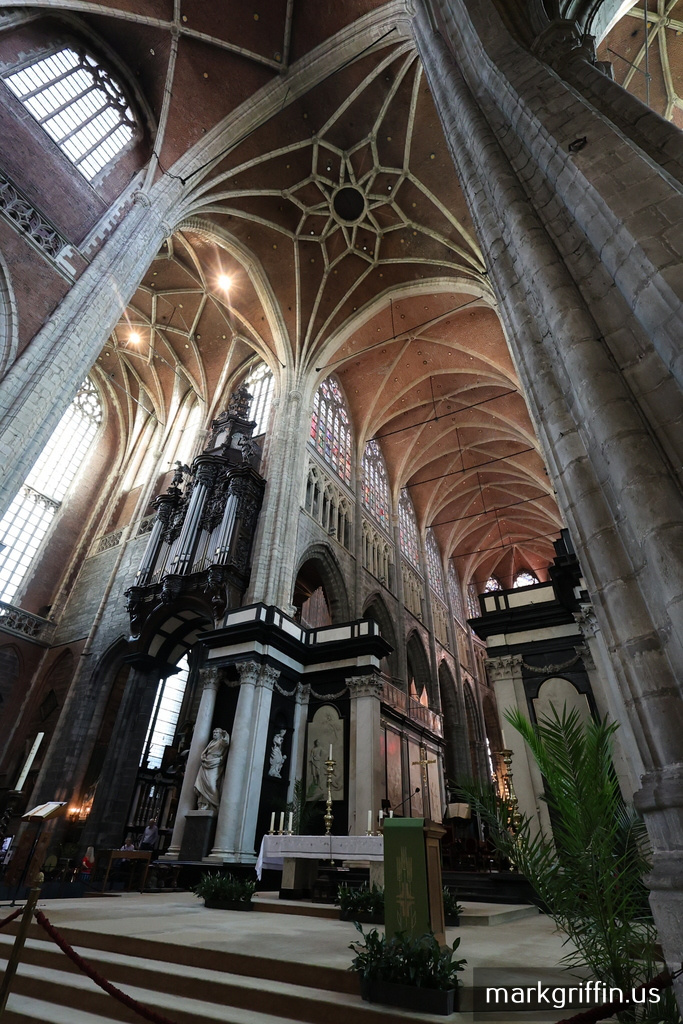
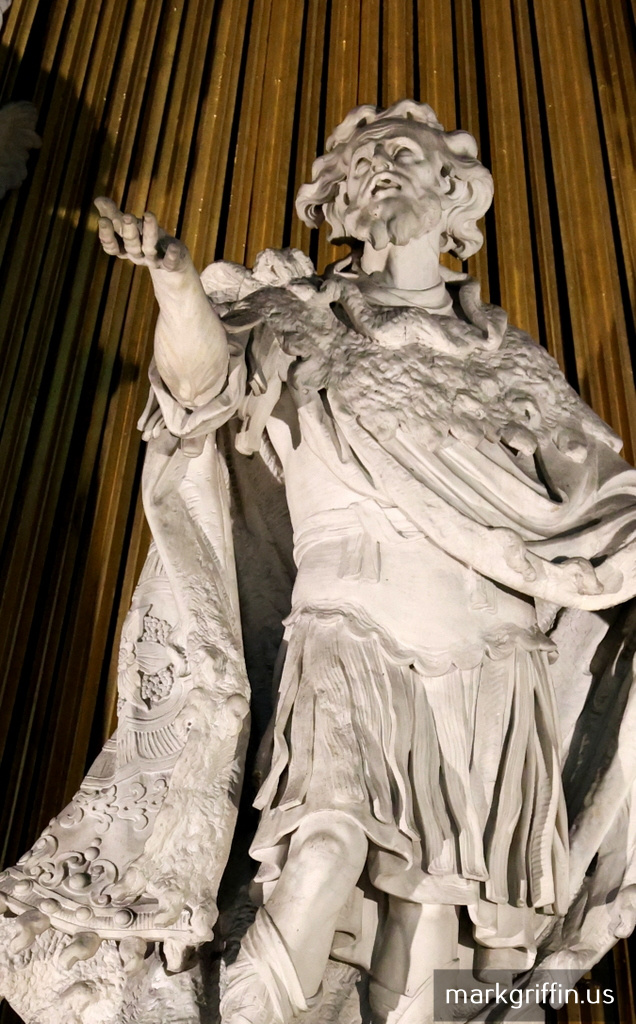
This Ghent Altarpiece is often credited as one of the works that kicked off the broader shift toward Renaissance-style realism in Europe. From the high alter you can see how each artist pushed the next tradesman to elevate their game, such as found in this stone piece.
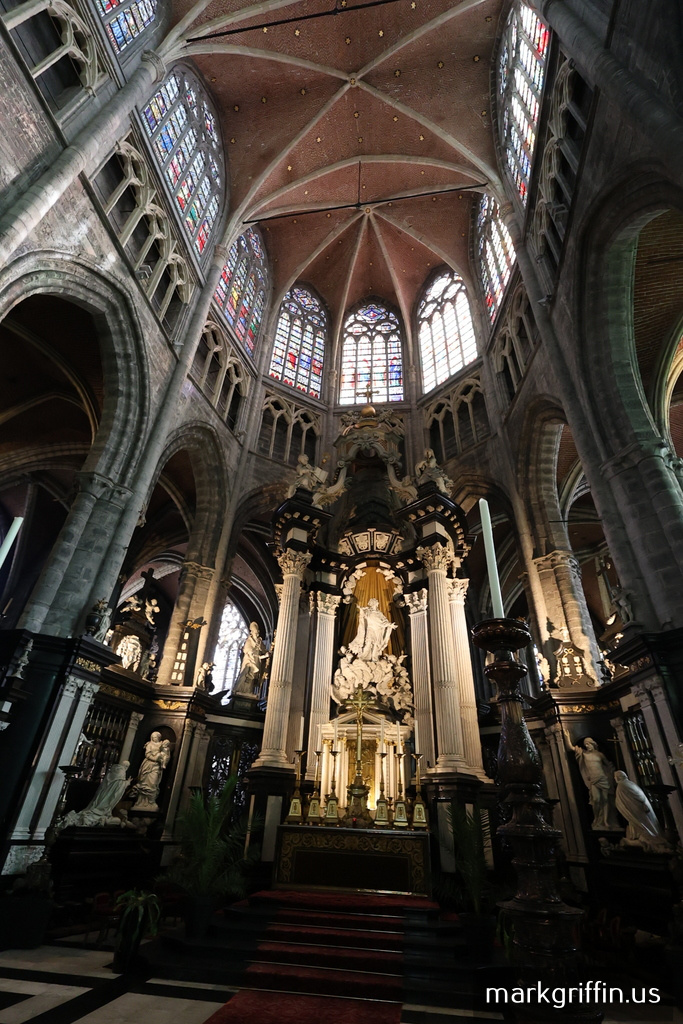
Unlike many churches in Europe, the front part is free to enjoy. Spend the $8 and tour the back half of the building. That’s where the history resides. Yes they have another massive piece from Rubens (from Antwerp) but it’s the The Ghent Altarpiece, which can only be seen by paying for the tour, has gone back and forth between the same people for decades. Why? It’s widely considered the first major oil painting to fully showcase the medium’s potential. The van Eyck brothers achieved a level of detail, light, and realism that was unprecedented in 1432. Art historians treat it as a hinge point between medieval and Renaissance painting. Keep in mind, this set of pieces were completed nearly 200 years before the likes of Rubens began painting.
Napoleon stole them because he wanted to fill the Louve with beautiful pieces from across the globe. A vicar of the cathedral got into debt, stole a few panels then sold some of the pieces to Prussia/Germany to cover his bills and they’re not returned until the Treaty of Versailles is signed and this is one of the terms of surrender. Then Hitler comes around, reclaims them because he feels Germany got the bad end of the Treaty deal (which US troops only find later hidden in the salt mines of Germany – did you see the movie?). Finally in 1934 the bottom second left panel is stolen and no one’s seen it since.
But all that isn’t what makes it famous.
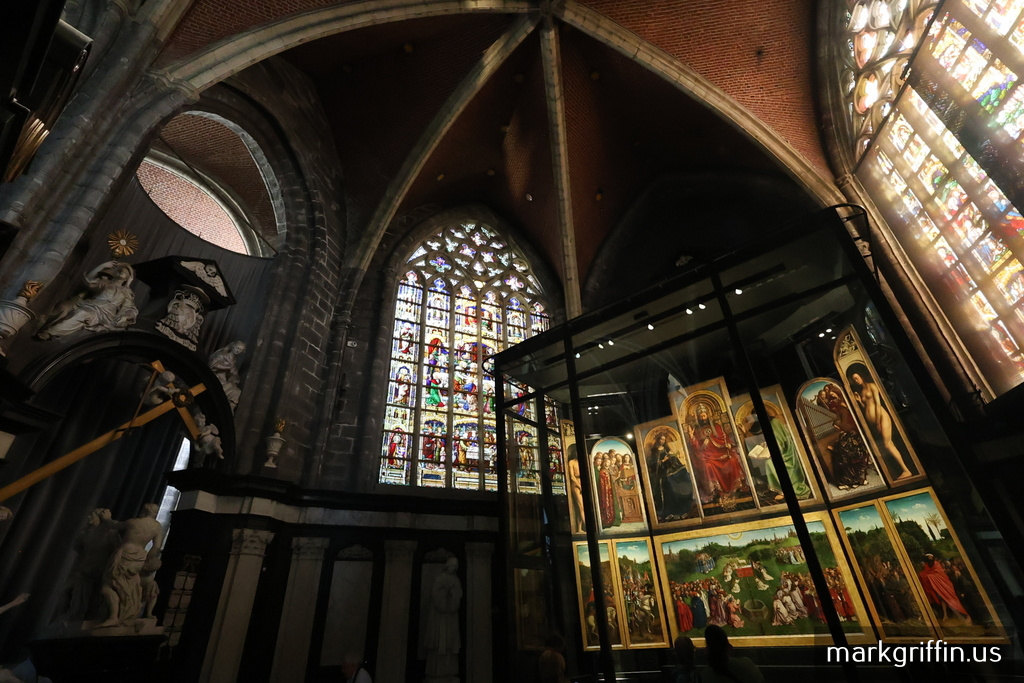
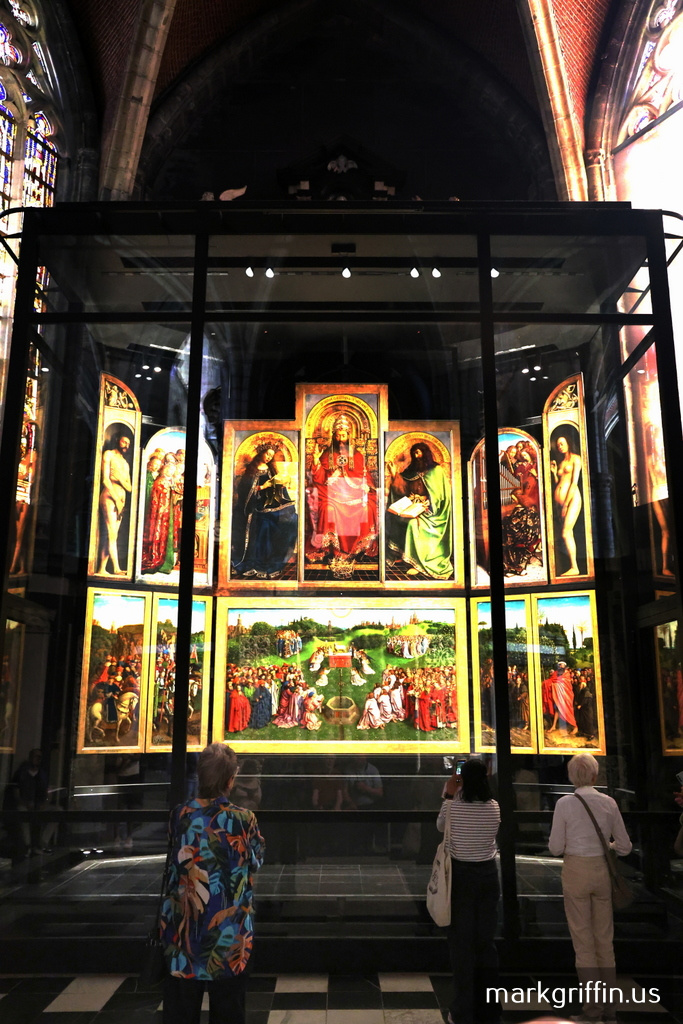
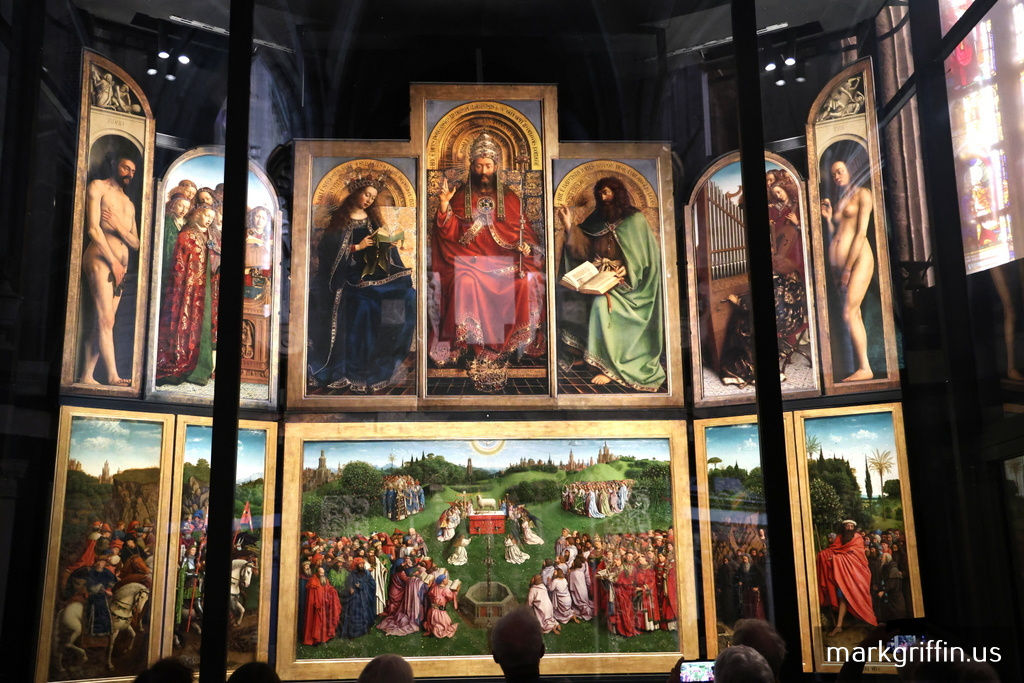
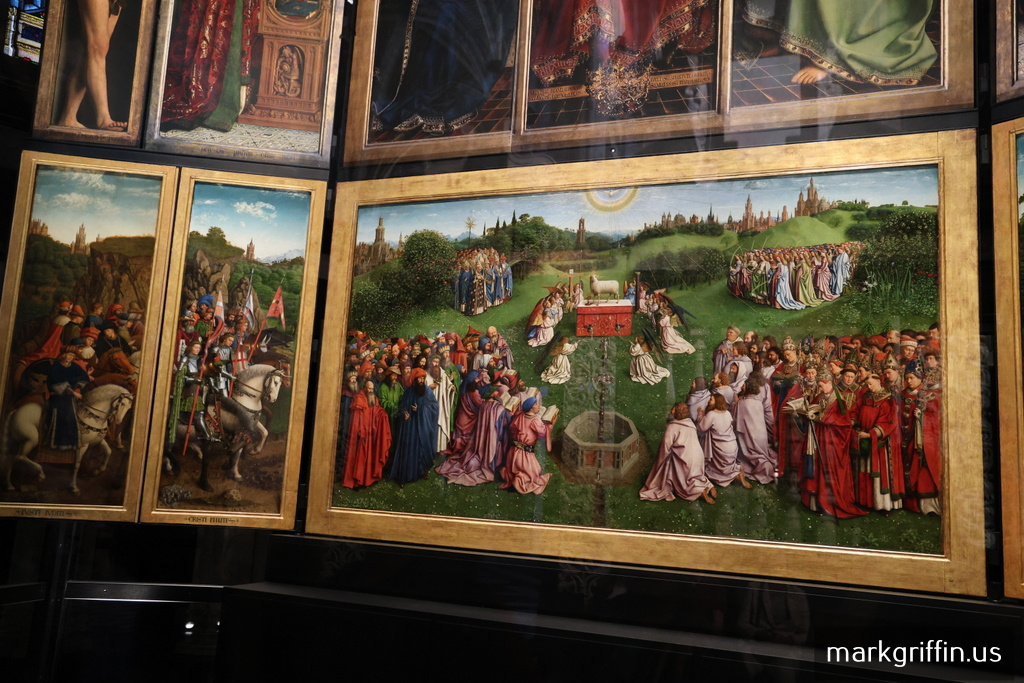
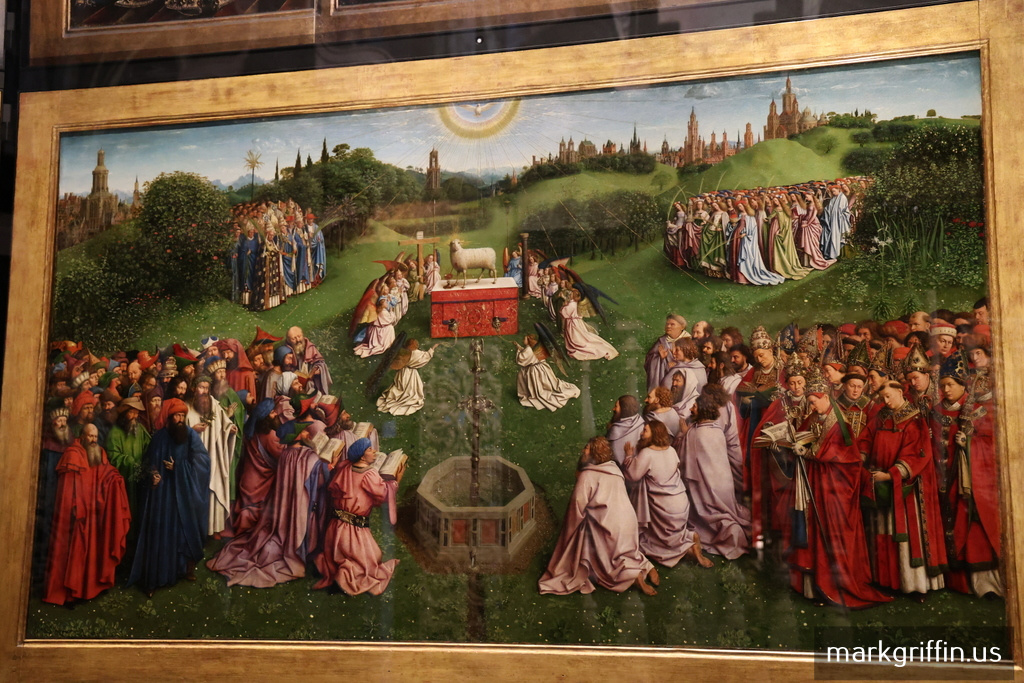
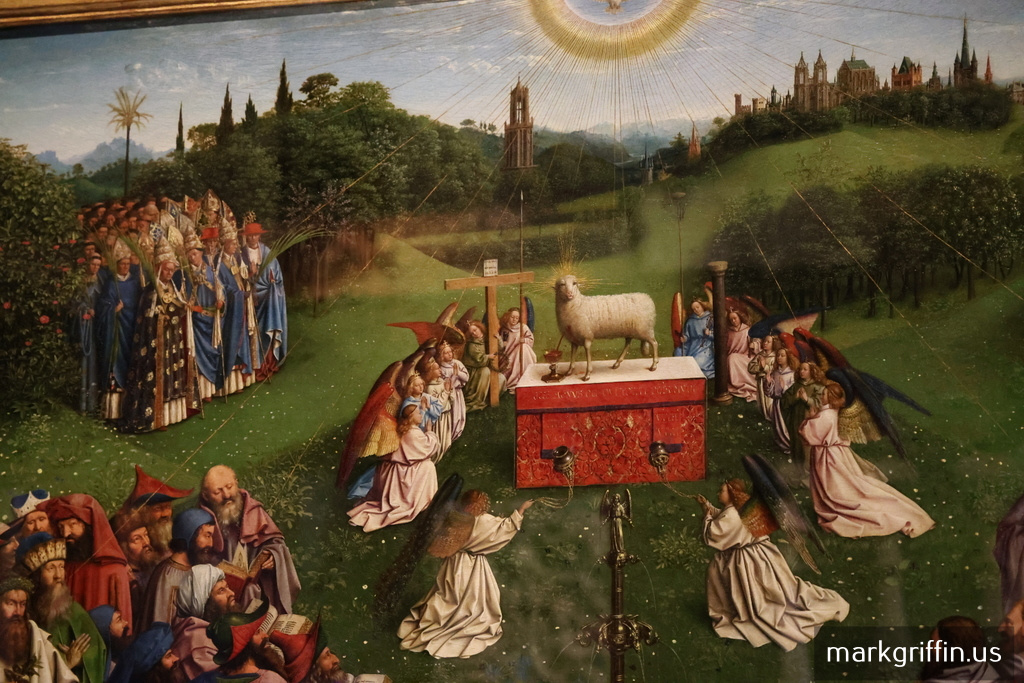
Like churches which have art, historical preservation work is done when cash becomes available. In 2012, the cathedral begins working on the center panel. They spend 8 years working on it. During this time they used x-ray and other tools to understand what the piece looked like under the layers of dirt. Before cleaning, everyone was use to seeing the sheep’s face. No one though anything about it. During this time of cleaning, they realized sometime during the 16th century someone came along and altered it, giving it that ‘modern’ styling.
The cleaning turns out the original artist had put a more human face onto the lamb. Someone later thought it was too jaring and put an animals face over the original style. What the restoration team argued was more specific: van Eyck deliberately gave the lamb human-like, forward-facing eyes (rather than the side-set eyes of a real sheep) so that the lamb appears to be staring directly out at the viewer/worshipper, rather than gazing passively into the distance like an actual animal would. This was intentional to create a more intense, confrontational spiritual encounter. The idea being that when the altarpiece was originally unveiled, people looking at the lamb would feel genuinely watched or “seen” by Christ, not just viewing a peaceful pastoral symbol.
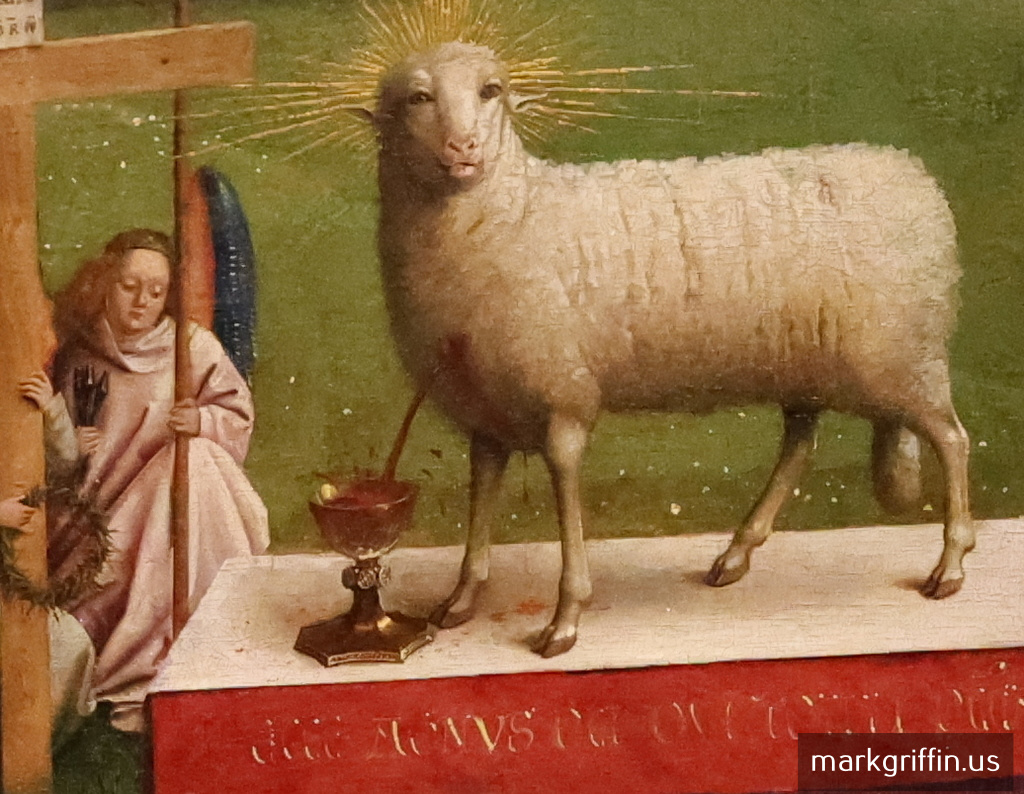
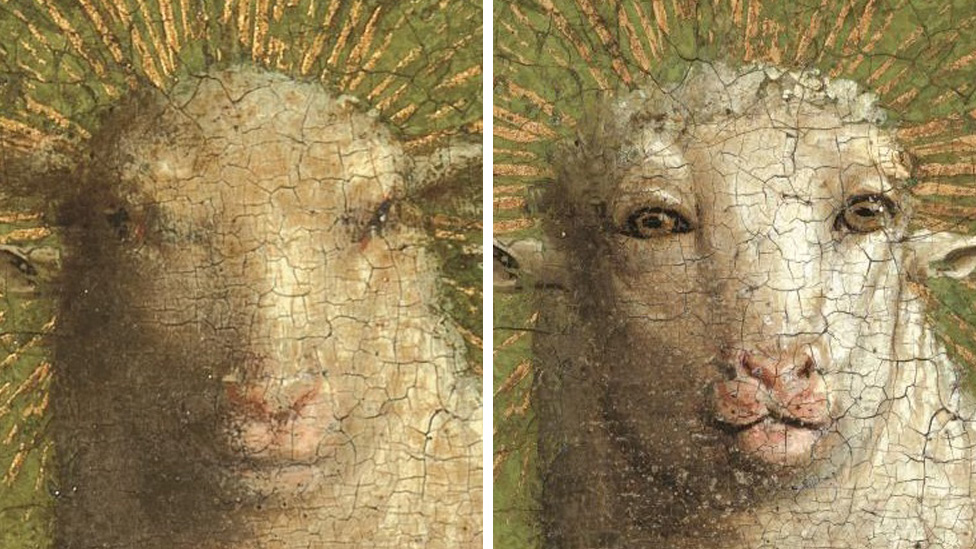
You can see how the second artist did what he did and you can kind of understand why this stark imagery would cause someone to tone it down.
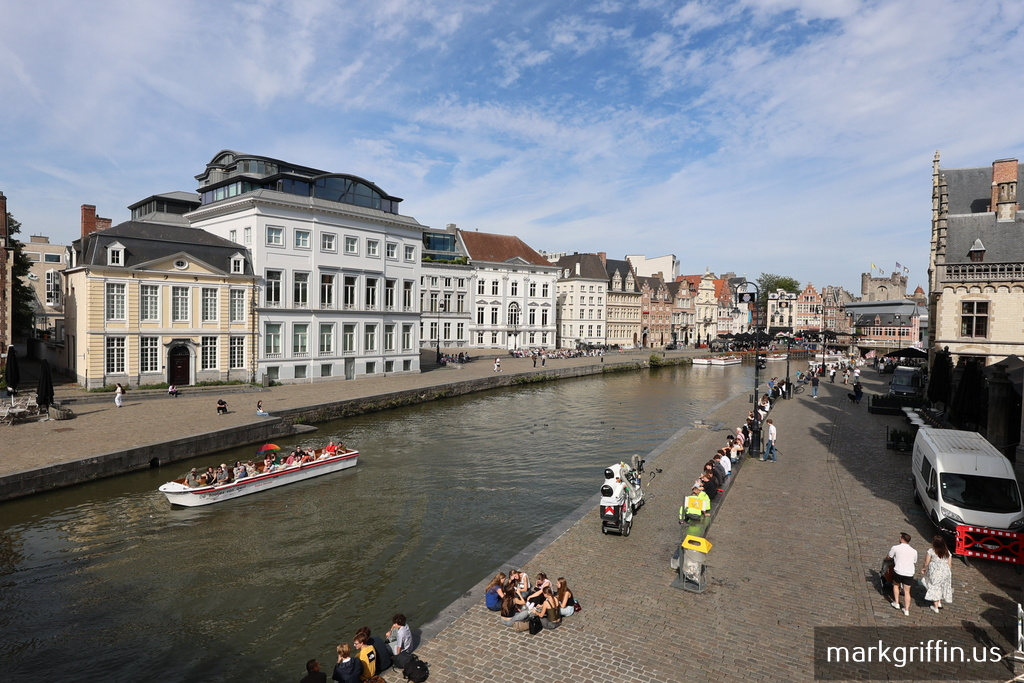
The rest of the city is beautiful but insides are either governmant buildings now or less impressive chapels. Still a great day visit as there are far less tourists here than Brussels or even Brugge.
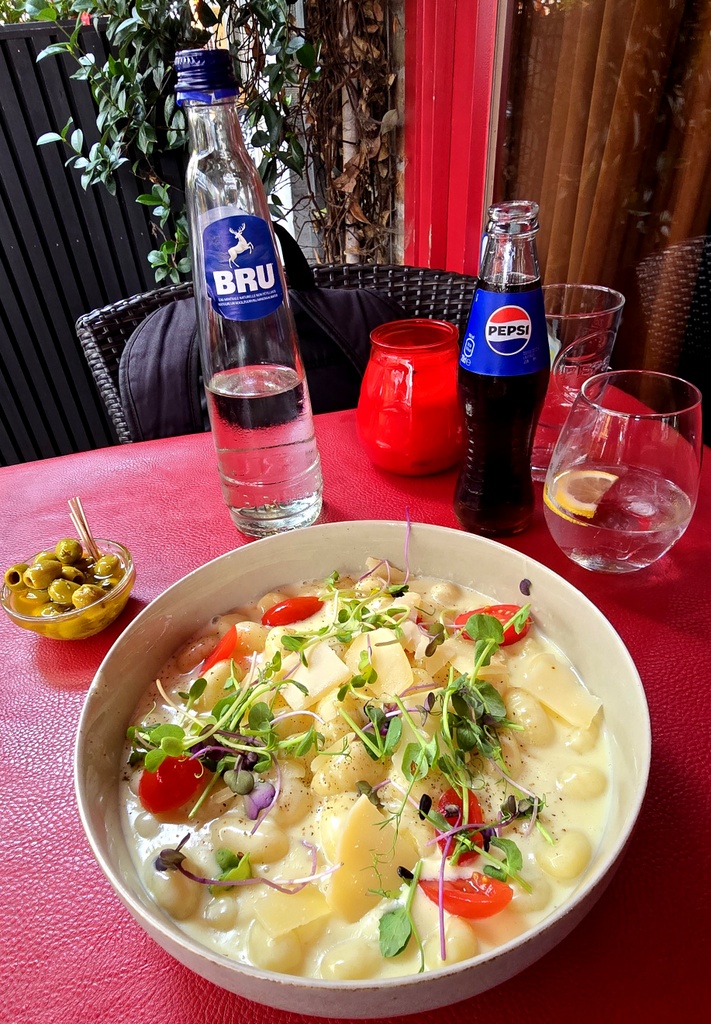
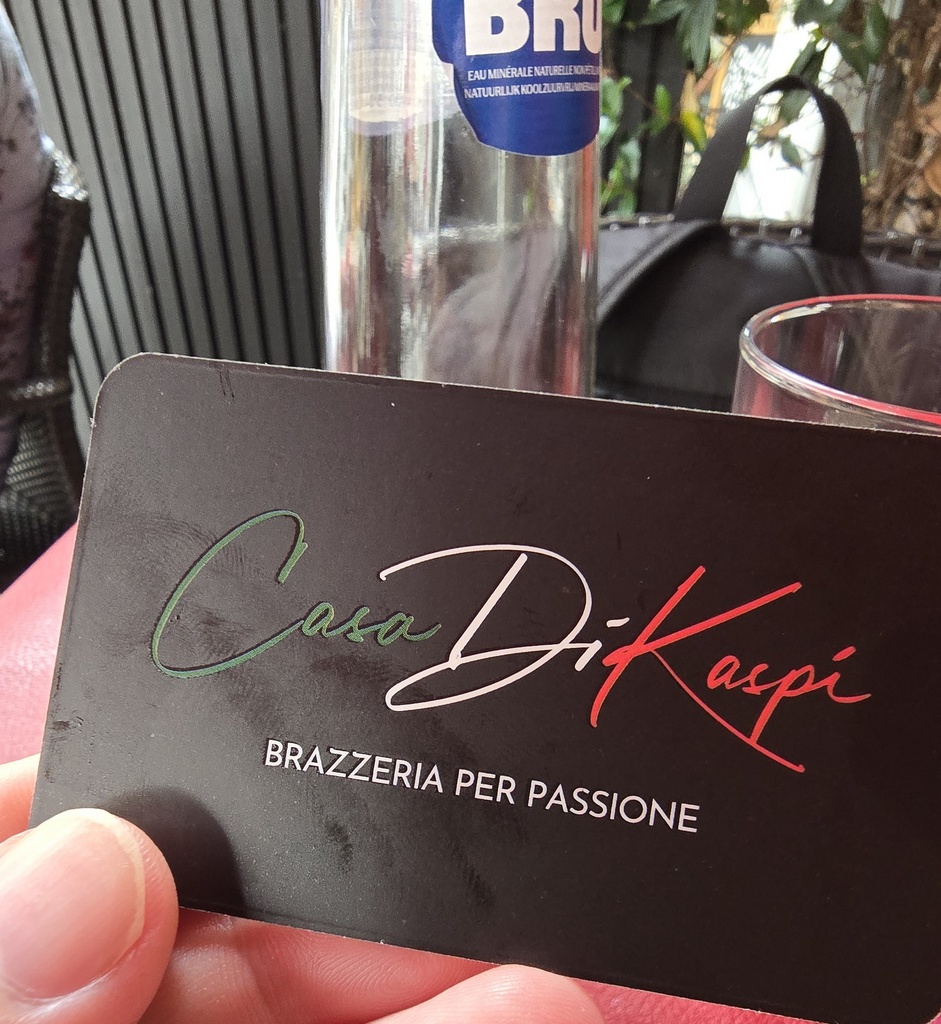
After a full day I’m starving. Pasta sounds great! And this place did not disappoint. Maybe the best gnocchi I’ve ever had.
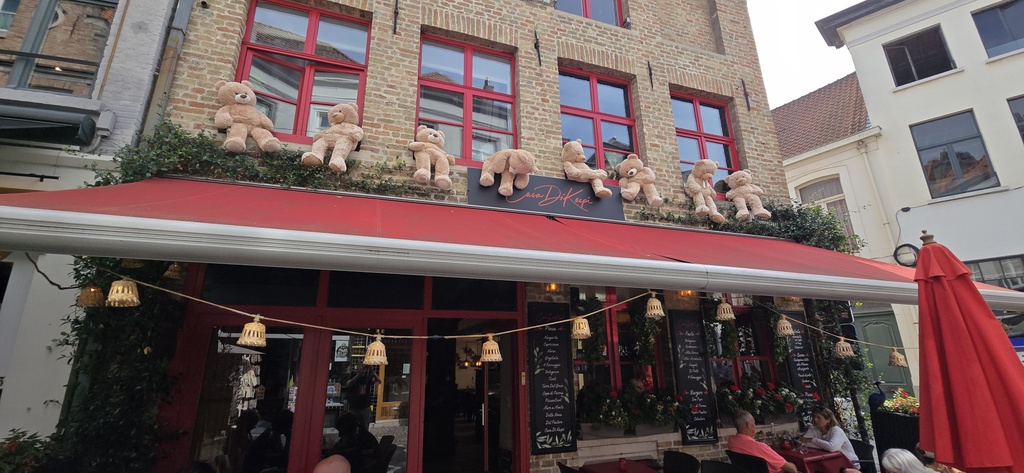
Back to the hotel and time to pack; new hotel tomorrow. While I liked returning to the city to experience it at night, I wouldn’t recommend it to others. If your goal is to see all of Belgium, stay in Brussels. High speed train networks are at your disposal to visit places like Germany, France and other regions.
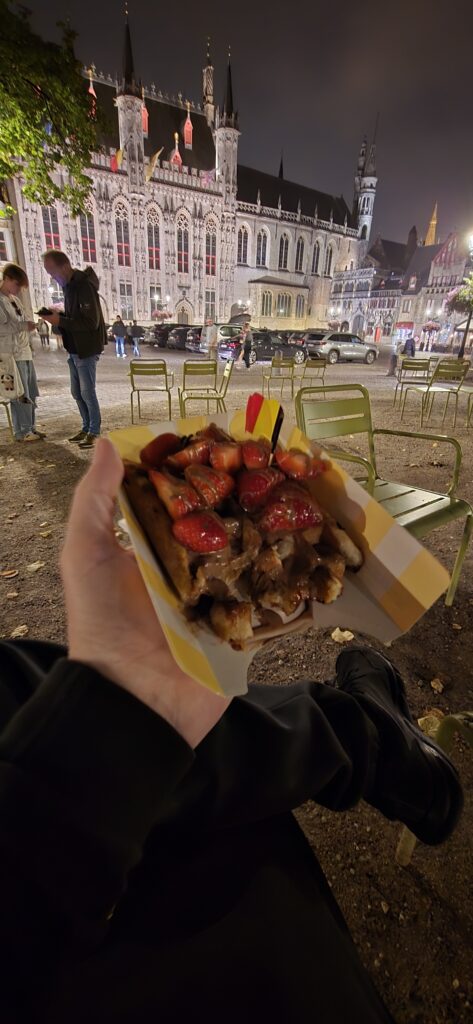
But tonight, let’s enjoy a waffle while we sit and take in the view.