When you’ve been to all the tourist spots of London, jump on a train and find history. Today will be an hour train ride into Cambridge.

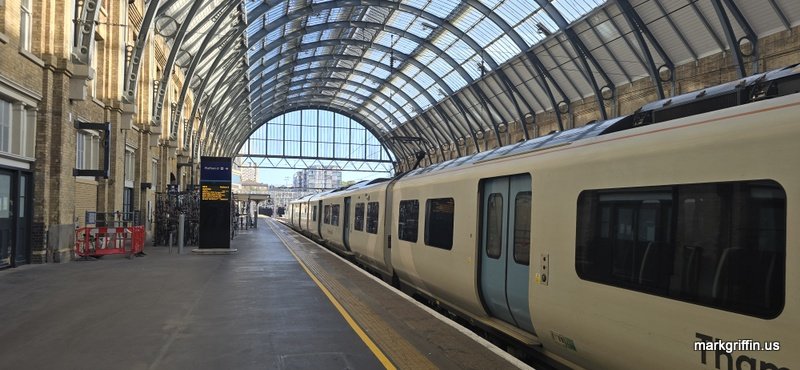
Train service from Kings Cross into London was only $25. For $40 you could get a first class seat which provided you a table rather than a coach bus-like configuration of seats.
Once you reach Cambridge, hop on one of the buses to take you the 10 minutes to the town center. Best $3 spent. Your other option a 30-minute walk.
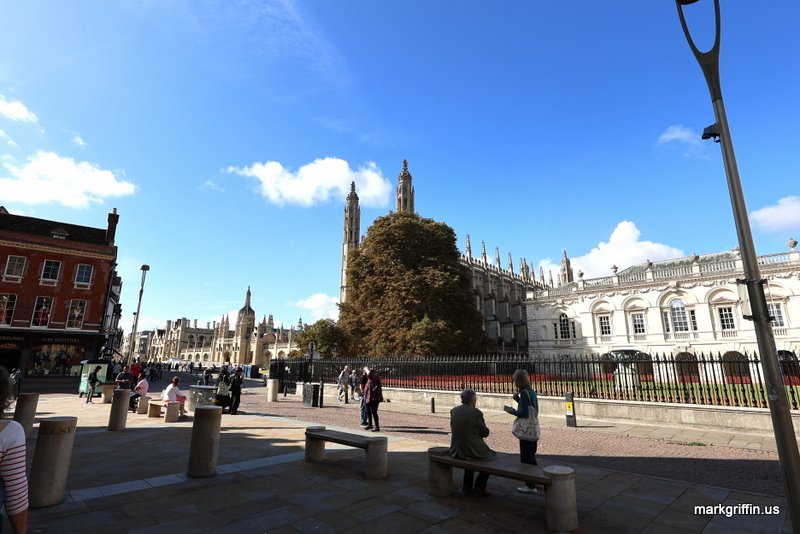
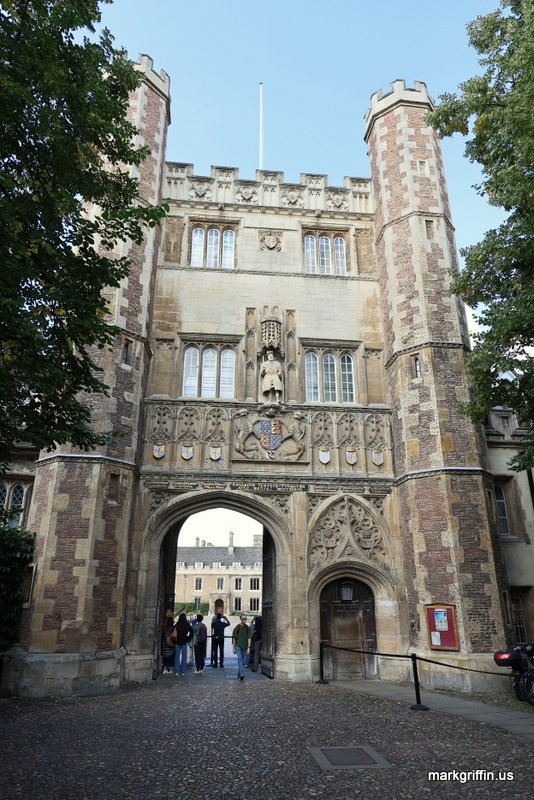
Today we’ll check out St John’s (1511), Trinity (1350), and Kings College (1441). Henry the 6th, he paid founded and paid for Kings College.






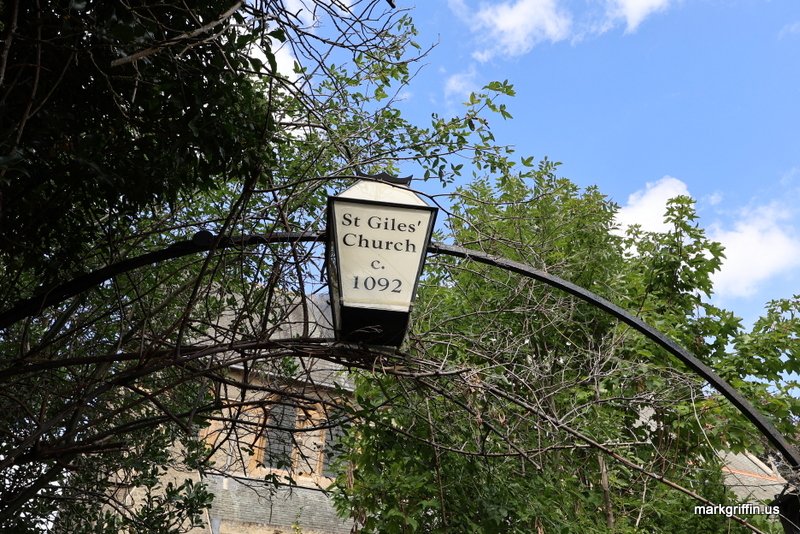

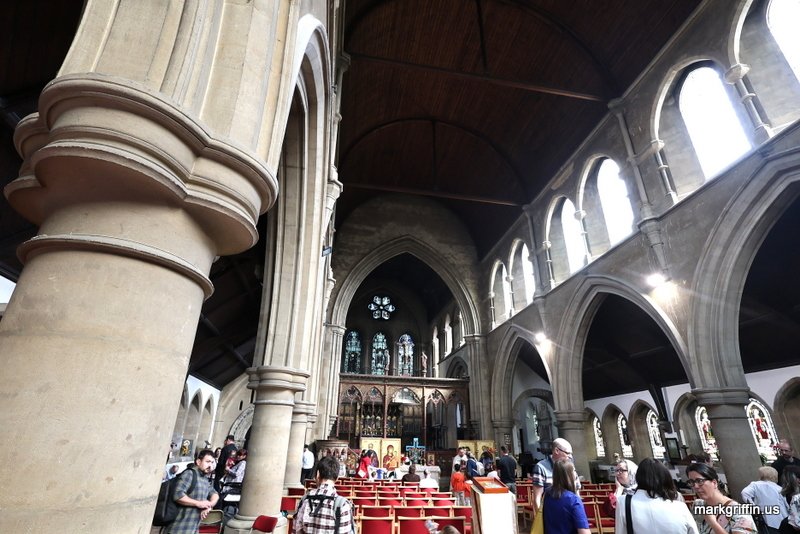
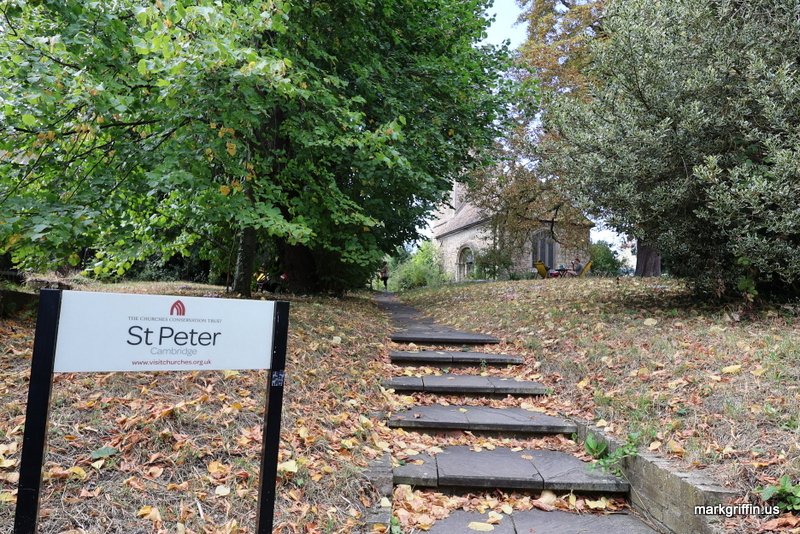
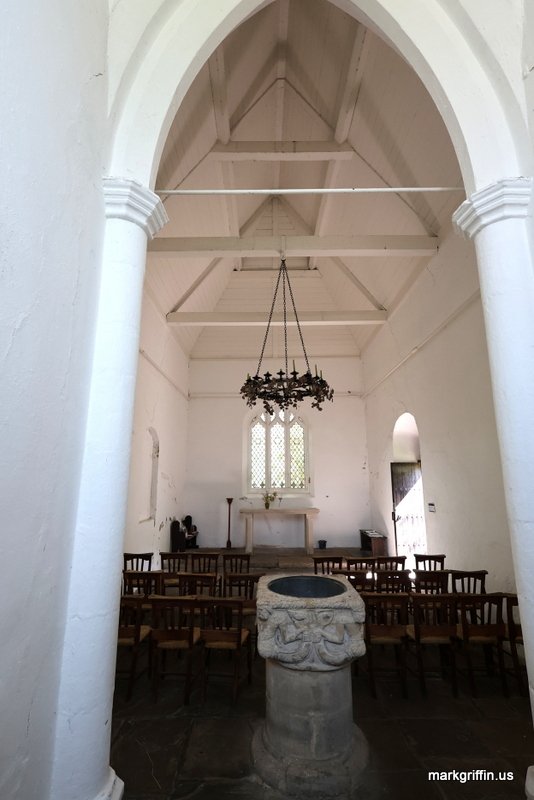
Blink and you might miss the most beautiful church in the region, St Peter. Constructed by the Normans, this tiny medieval church was built in the 12th century and is stunning in its simplicity.

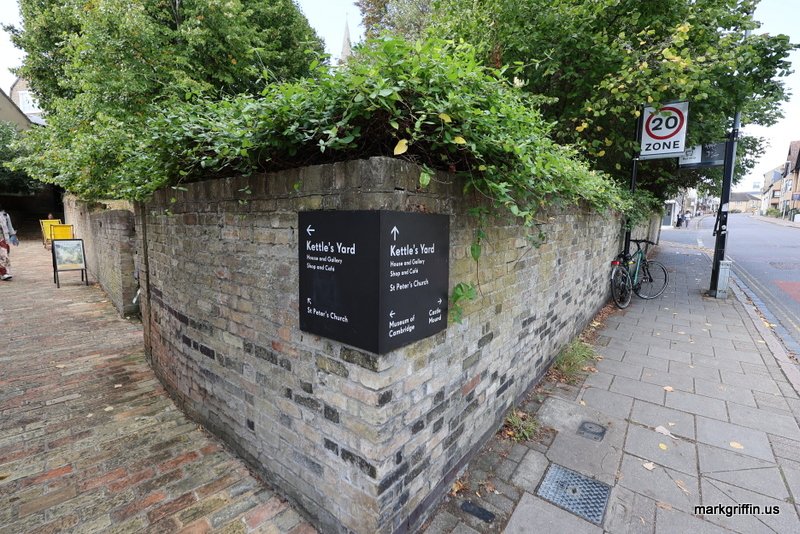


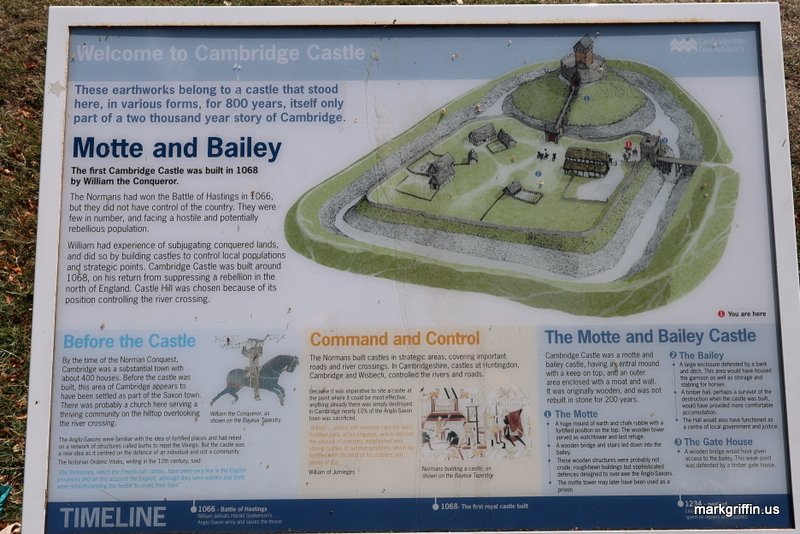
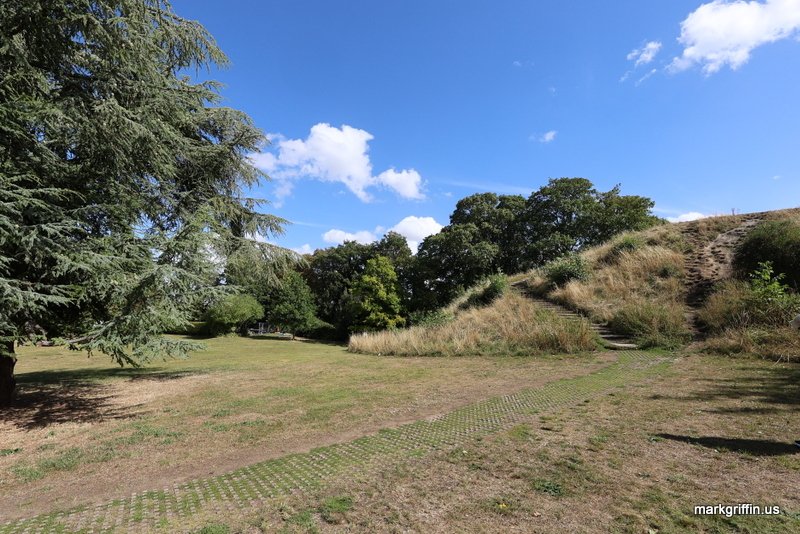
Keep going up the hill and at the highest peak you’ll find Castle Hill. The Romans originally used this in the 1st century as a defensive position overlooking the nearby river. William the Conqueror even lived here briefly. Much of the castle and building stones were recycled to build the nearby colleges.

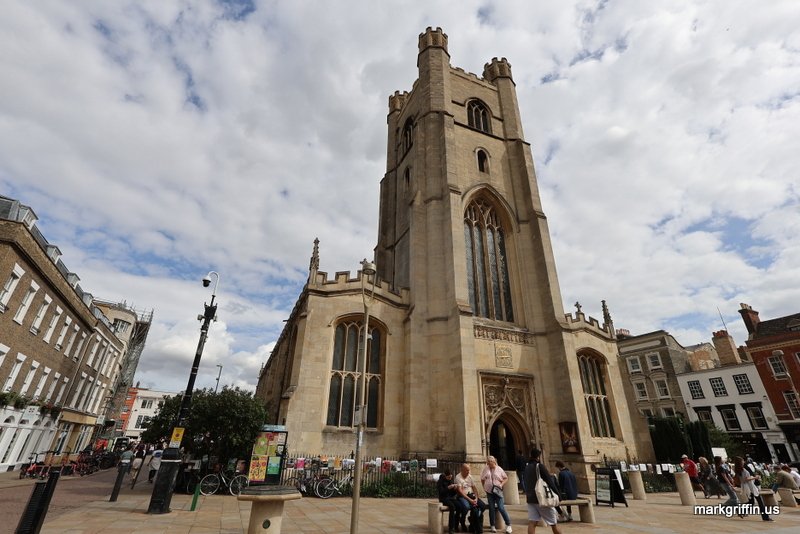
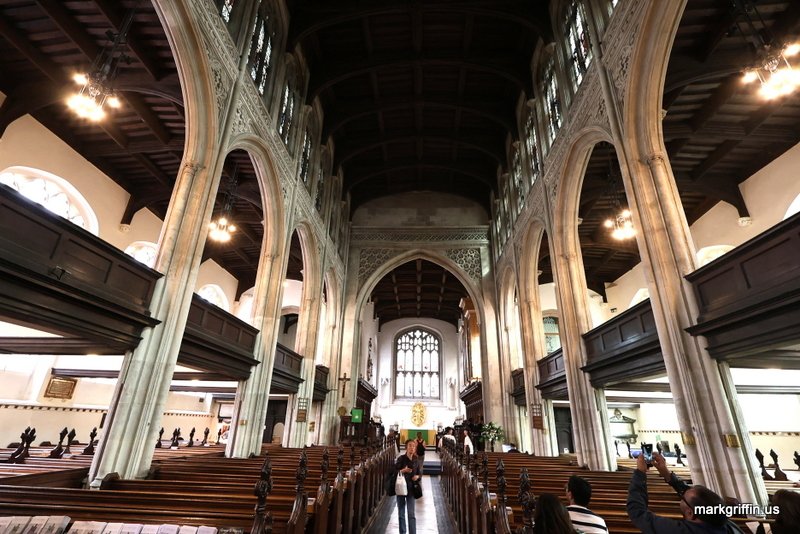
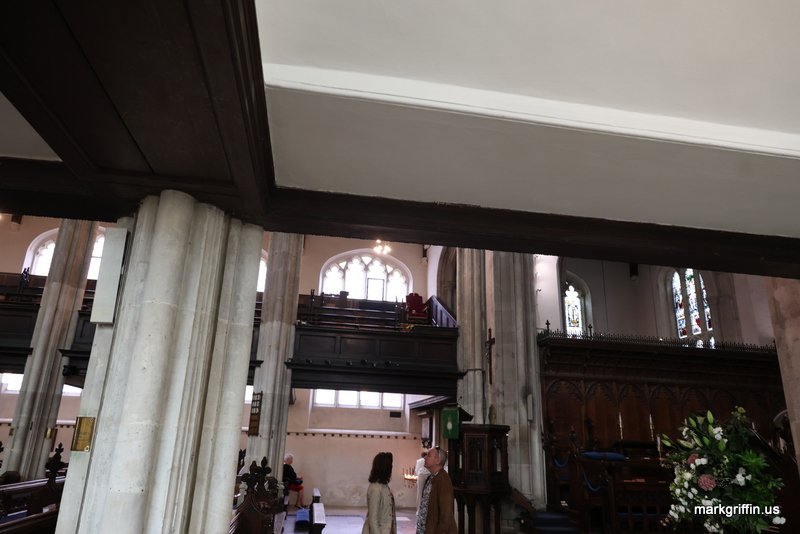
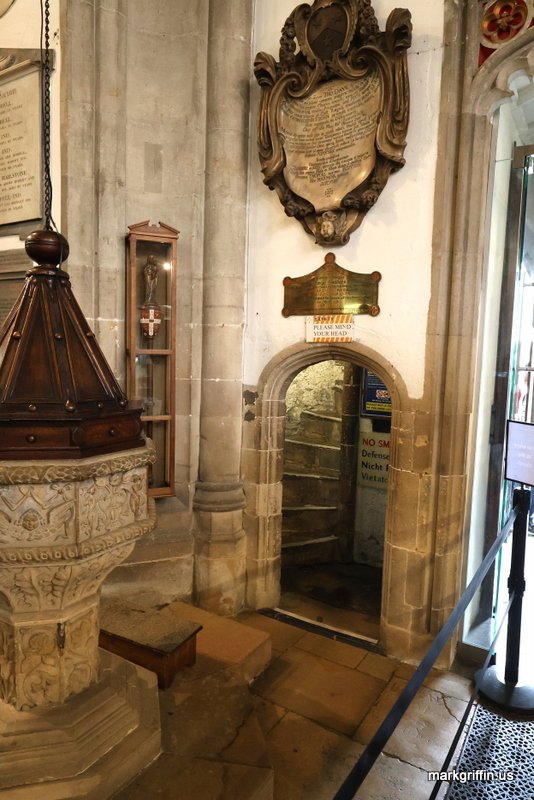
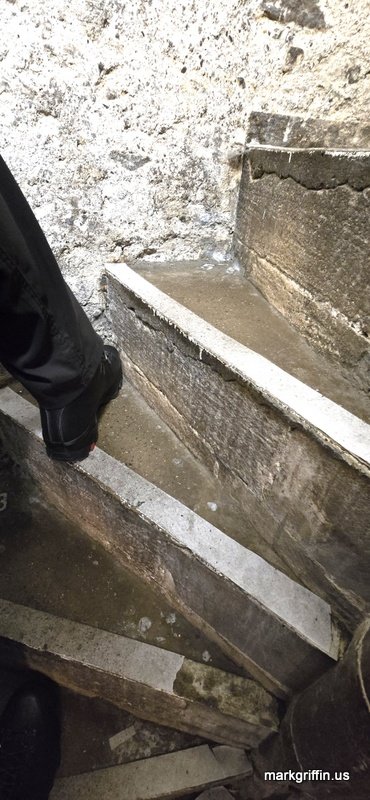
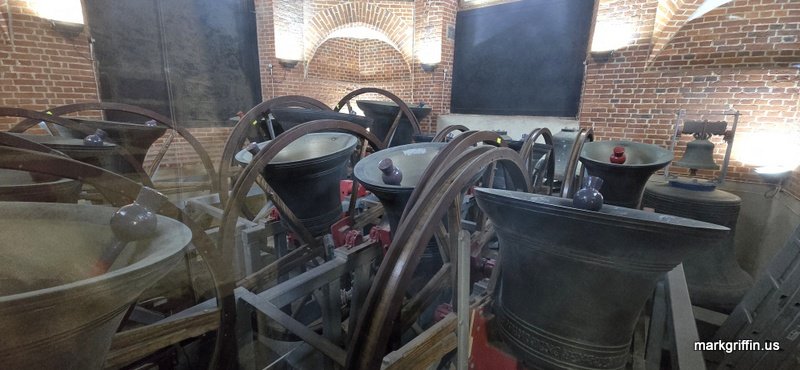
Returning to the center of town is Great St Mary’s Church. The current building was constructed in 1478. What makes this building special today is you can climb the 110 steps to the very top of the roof and take in the views of the city.






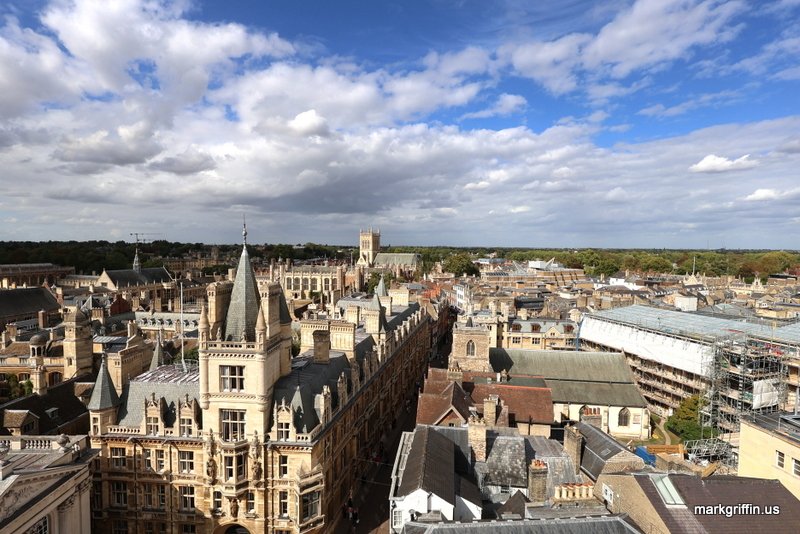
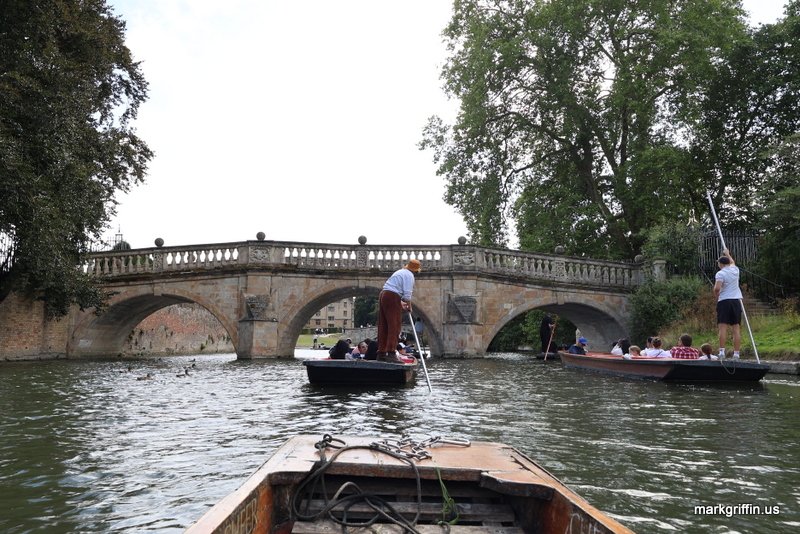
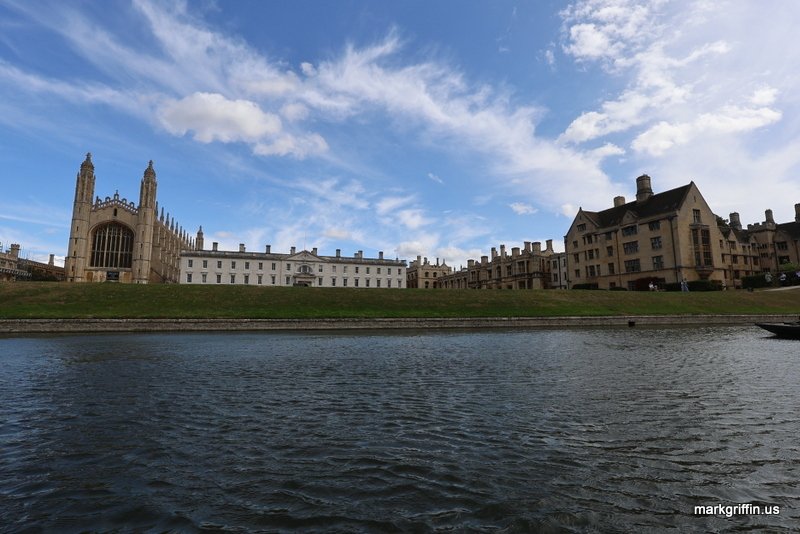
As beautiful as the colleges are from the street, when designed, they were imagined to be viewed from the River Cam, on the back of the schools. Millions of people annually explore the colleges by punts.
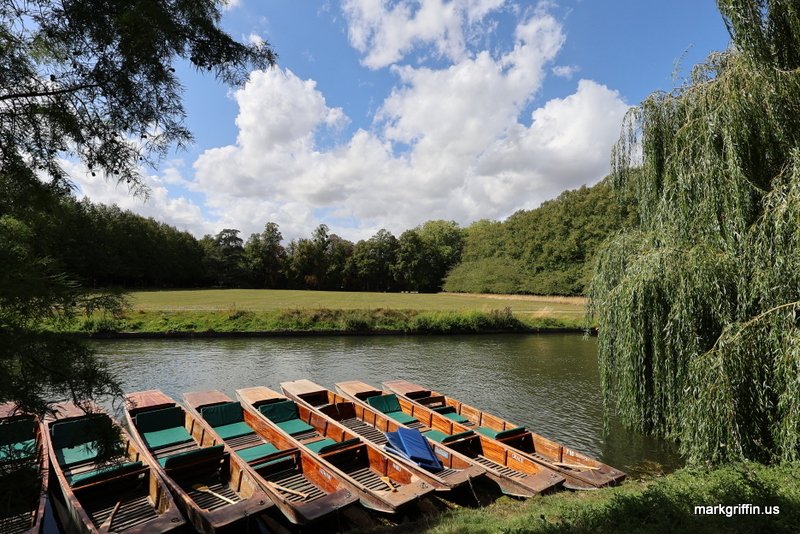
Punts themselves were working boats developed in medieval England for shallow waterways. Flat-bottom in design, they move by using a long pole and pushing the boat, much like in Venice. Although not native to the region, sometime in the 20th century, someone borrowed the leisure activity from the Oxford area. College students were hired to punt students and visitors.
Many big companies will try to get you to use their punting operation where you’ll be loaded into a boat with 20 people. Skip them. Head instead to Trinity College where their students can take you on a private boat ride.


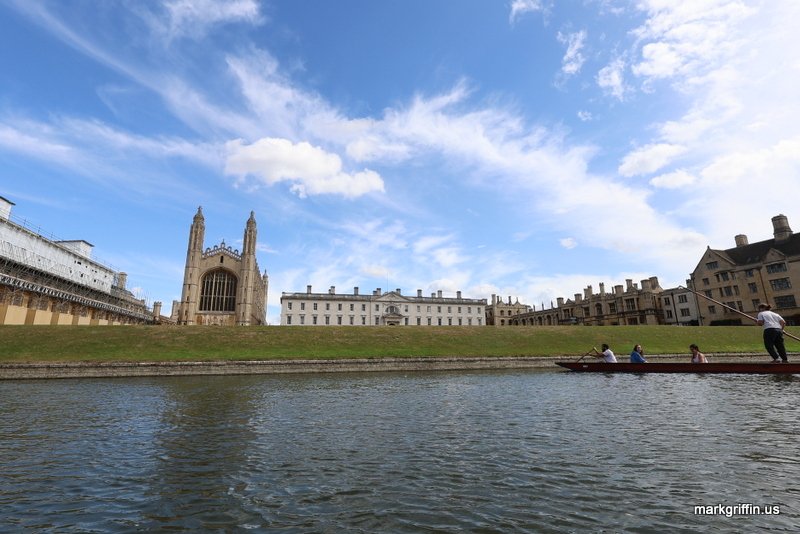
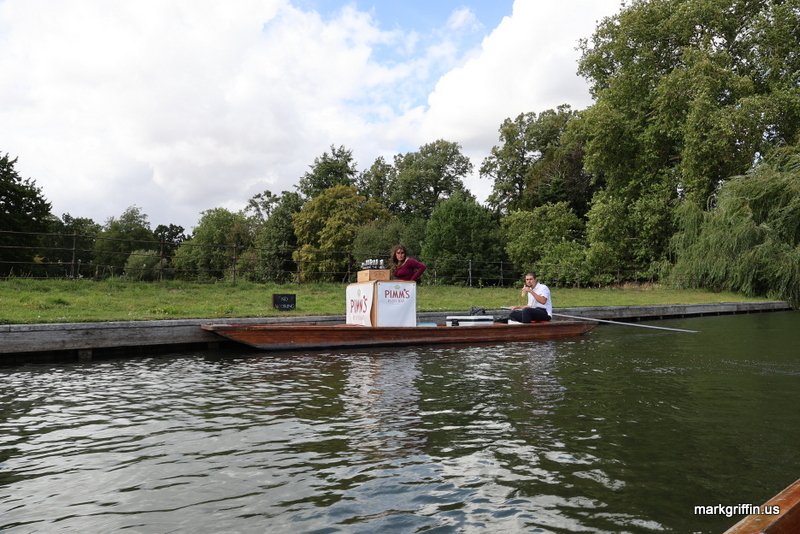
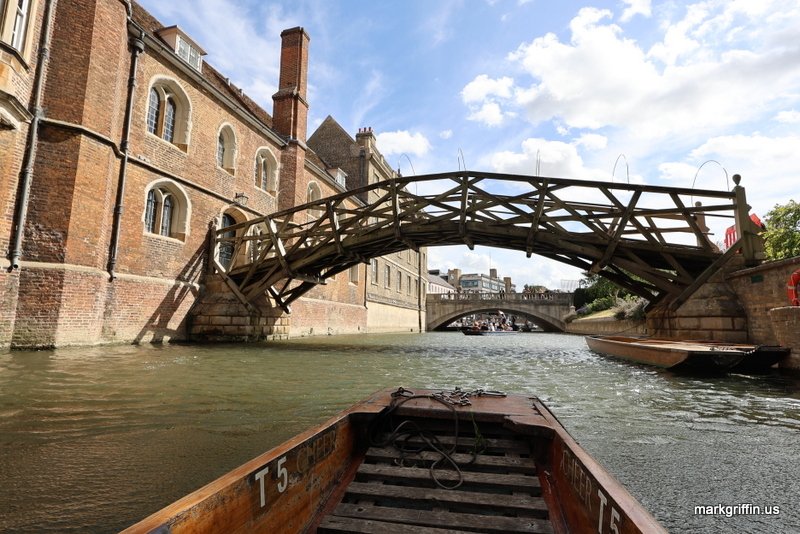


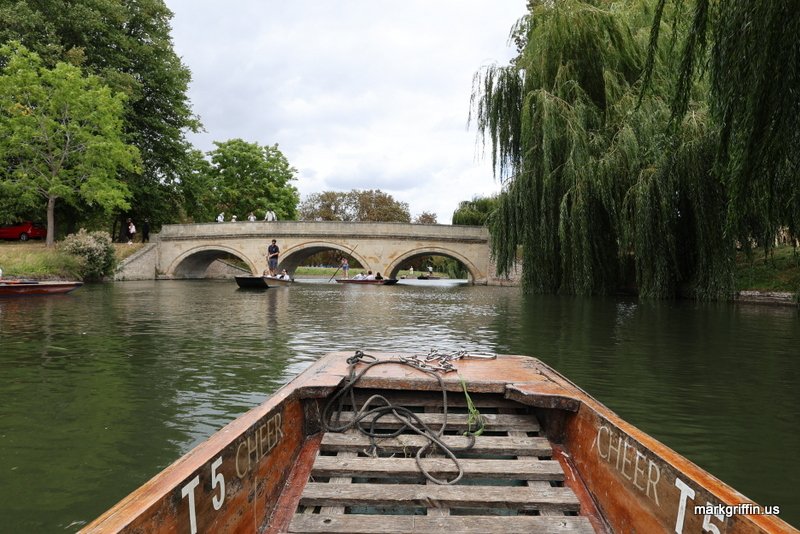

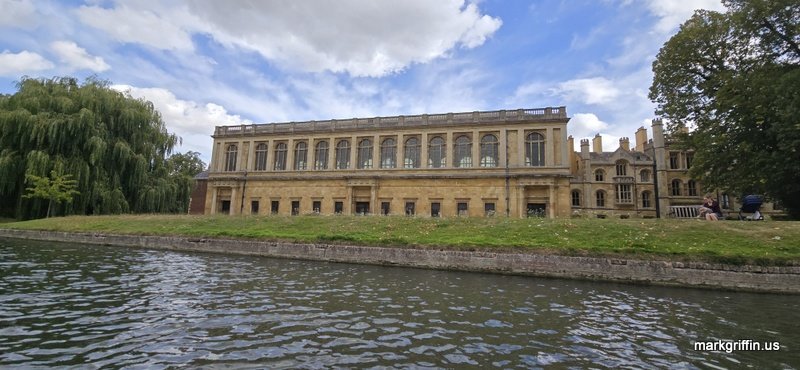


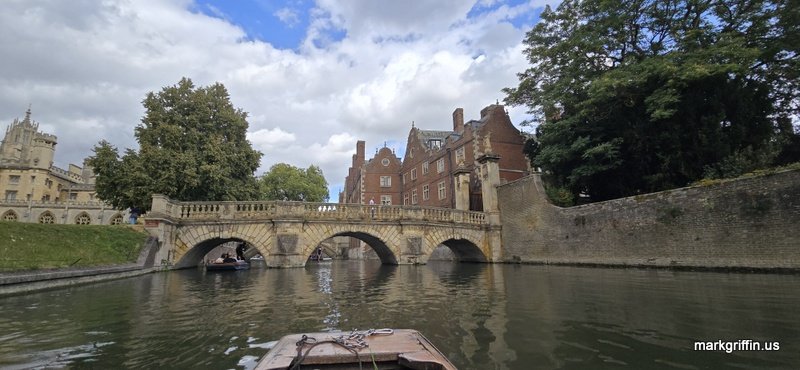


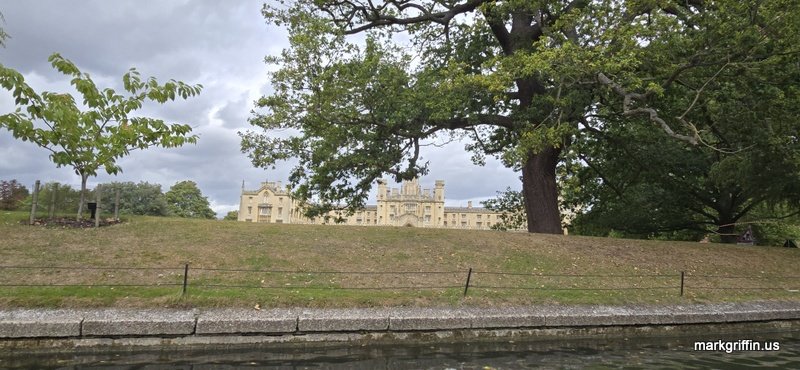

In the final St John’s photo (with the ivy), in the 1820s the school wanted to be overly opulent when a new student dorm was built. Construction costs ballooned, revenue from the nearby agricultural area dwindled. As a result, they ran out of money and construction never completed. The ivy was planted to hide the fact the building’s rear walls were naked concrete. To this day students are forbidden from trimming it away from windows
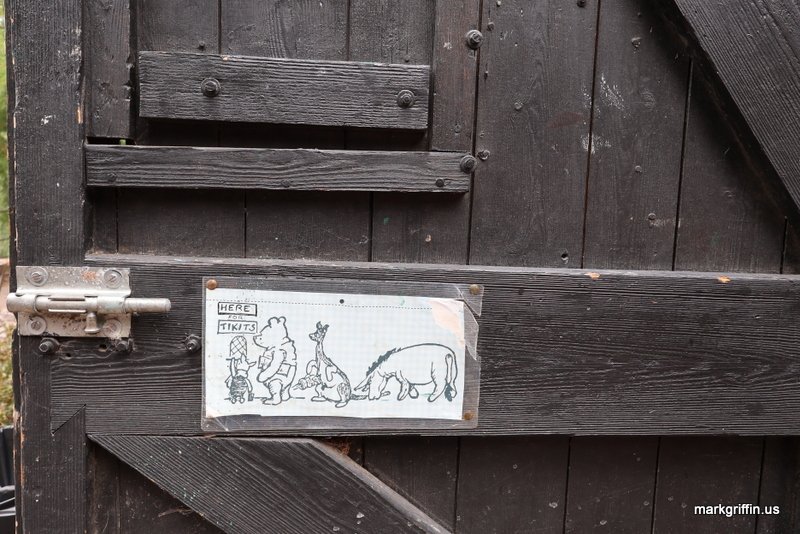
Fun historical fact time. A. A. Milne, the author of the Winnie-the-Pooh stories, studied mathematics at Trinity College in the early 1900s. He often wrote about how the beauty of the courts, gardens, and river walks gave him space to think and dream. The pastoral feel of the River Cam, with willows dipping into the water and open green meadows, bears a resemblance to the gentle, storybook landscapes that appear in Winnie-the-Pooh.
So while the Hundred Acre Wood was directly inspired by Ashdown Forest in Sussex (near Milne’s home), the gentle, reflective tone and playful logic of the Pooh stories owe much to the intellectual yet whimsical atmosphere Milne experienced at Trinity.
Later, his son Christopher Robin Milne became the inspiration for the character Christopher Robin. Trinity Library also holds a notable collection of A. A. Milne’s papers and works, donated after his death.
Upon finishing your punt on the River Cam, in the boat house, you’re reminded of this important connection to everyone’s favorite bear.
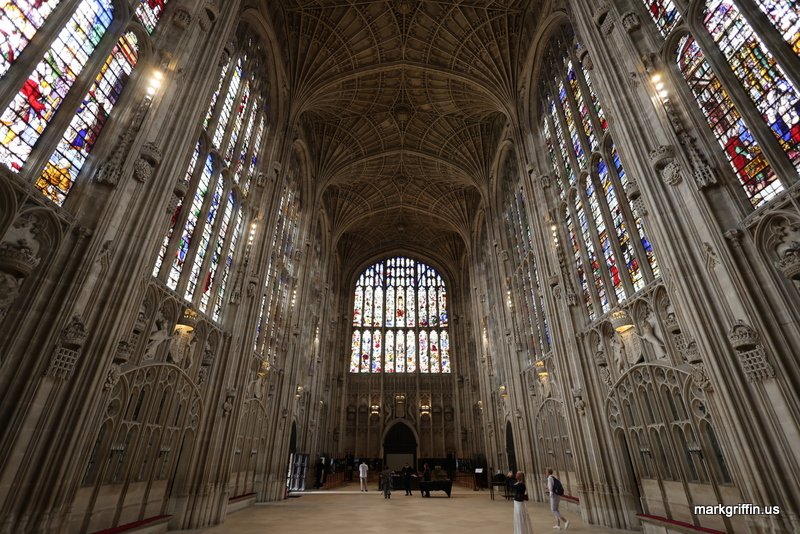
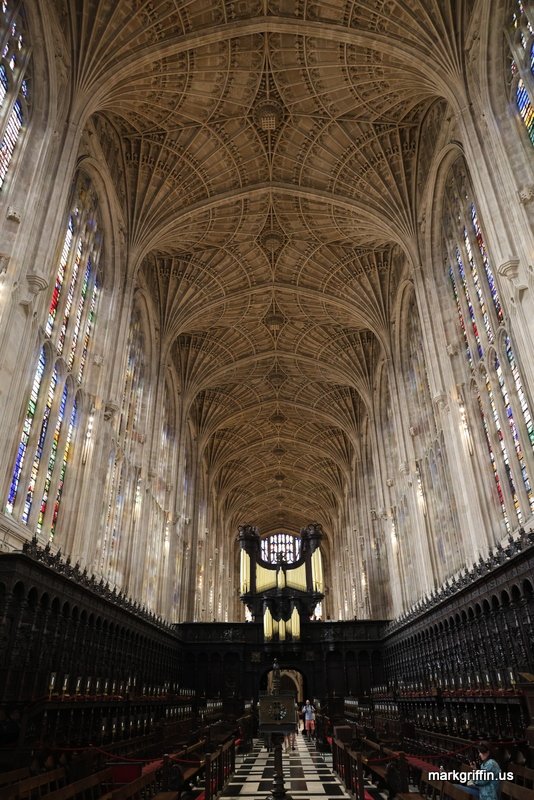
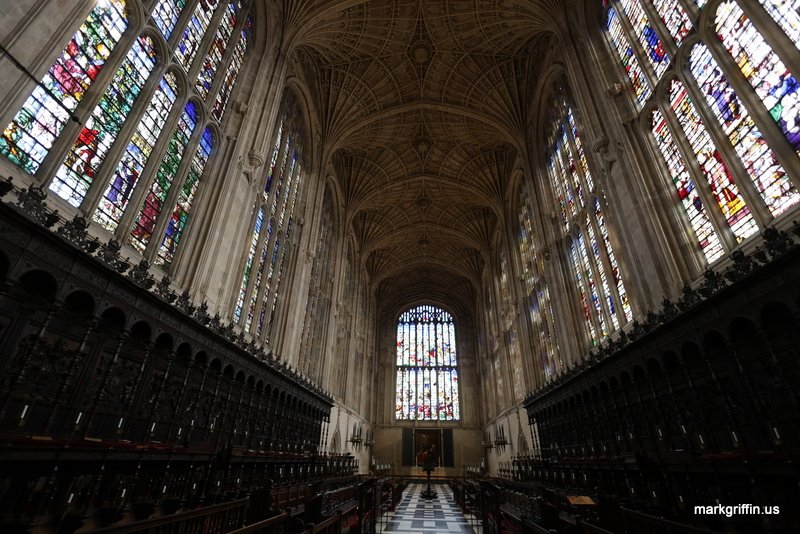
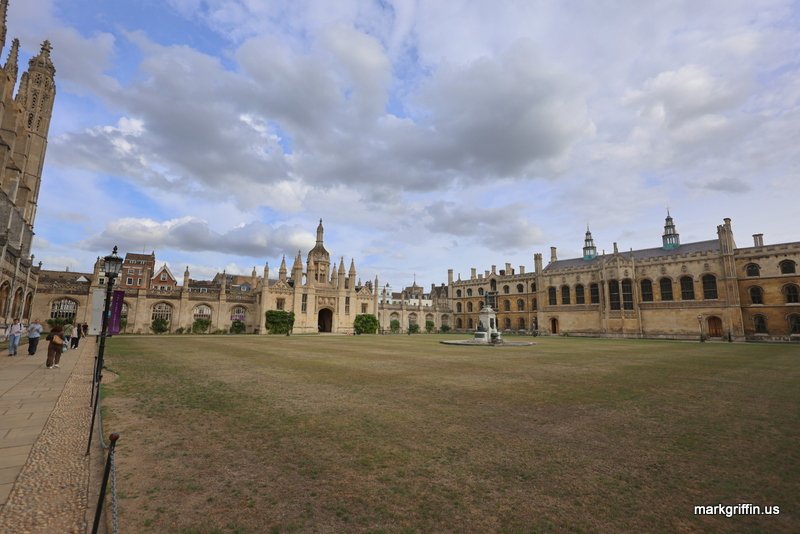
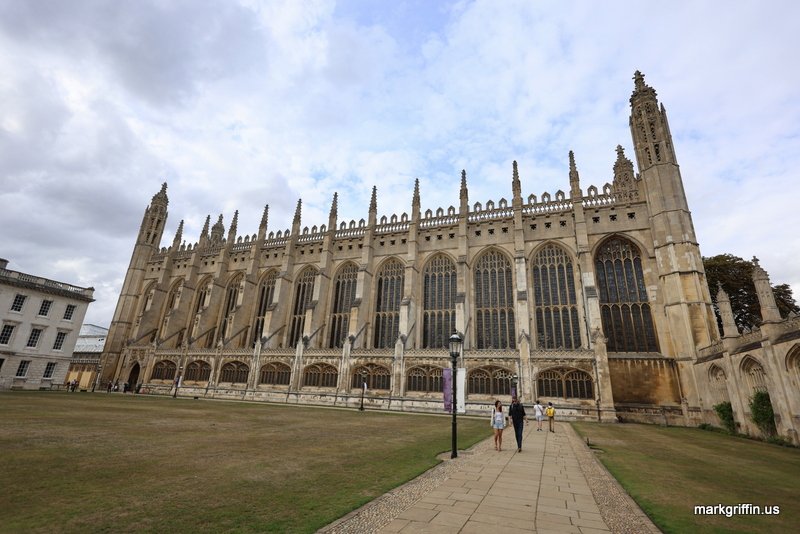
Time for the most grand, opulent, and historical school of all schools in the area; Kings College.
Founded in 1441 by King Henry VI, who envisioned a royal institution to educate scholars drawn from his other school up north. The best of those students would progress to King’s. He wanted King’s to rival Oxford’s grandest colleges and reflect his royal authority, piety, and cultural ambition, though his vision was cut short by the Wars of the Roses and the political chaos which comes along with war.
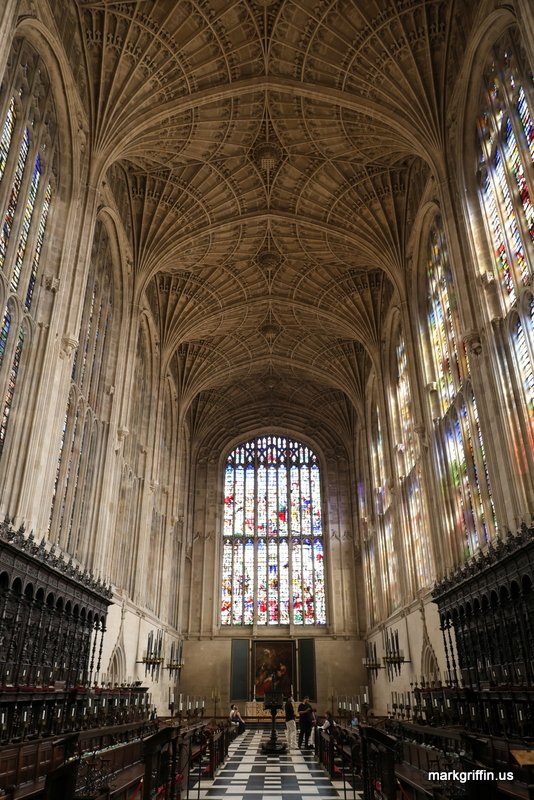
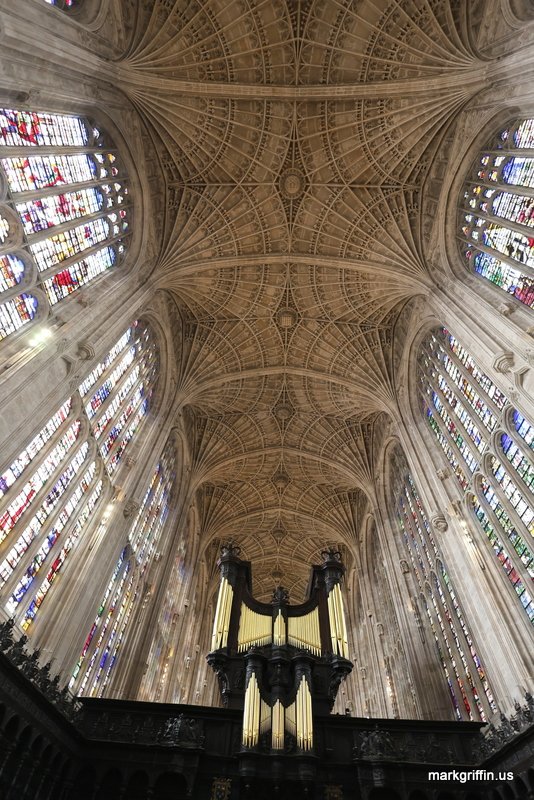
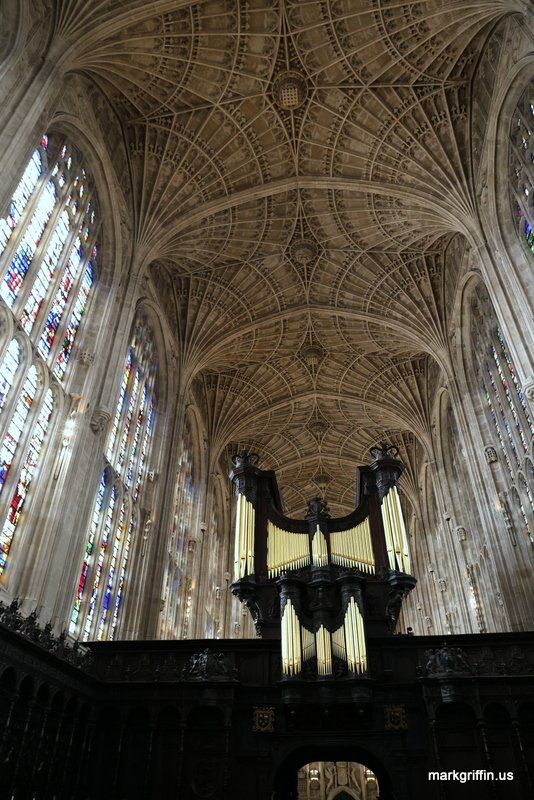
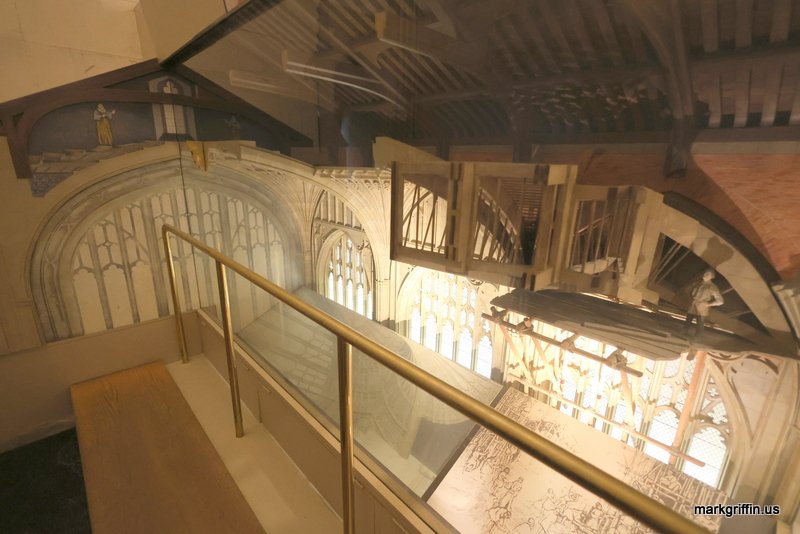
The most iconic building in Cambridge, the school began construction in 1446. Henry’s larger dream of the school included a lavish chapel that would showcase the glory of God and crown, a visible statement of his reign’s stability. He never saw the completion of the chapel as he was overthrown twice, was placed into captivity and eventually murdered in the Tower of London in 1471.
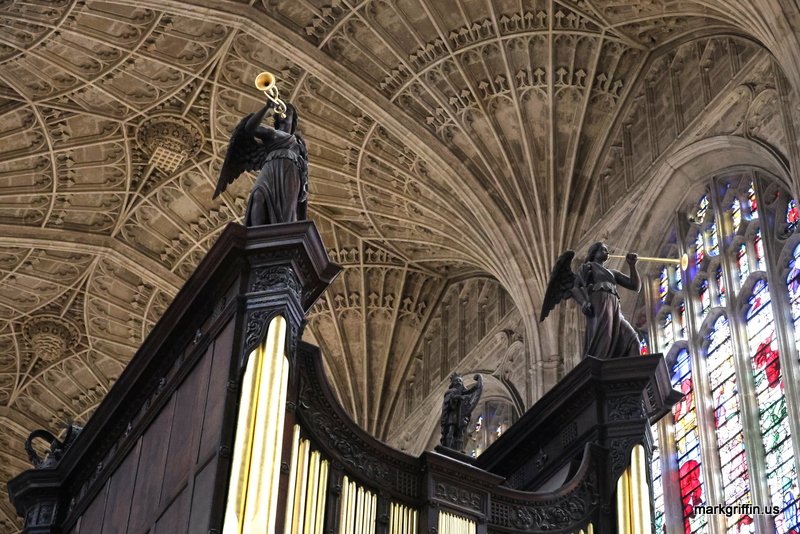
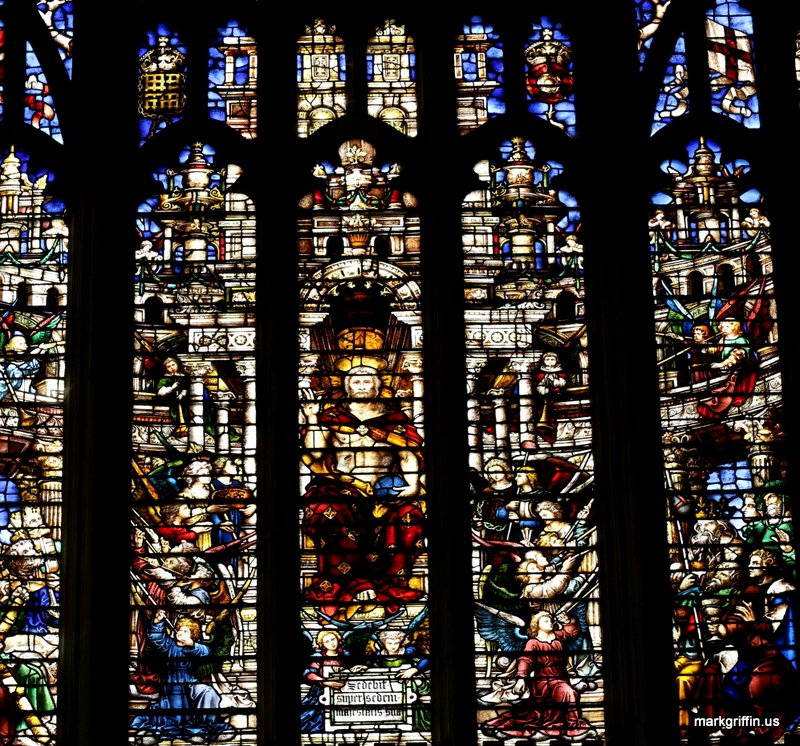
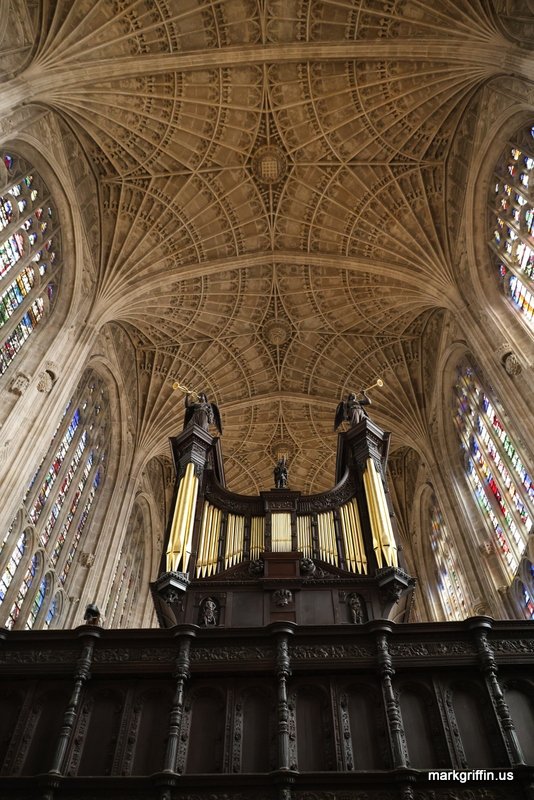
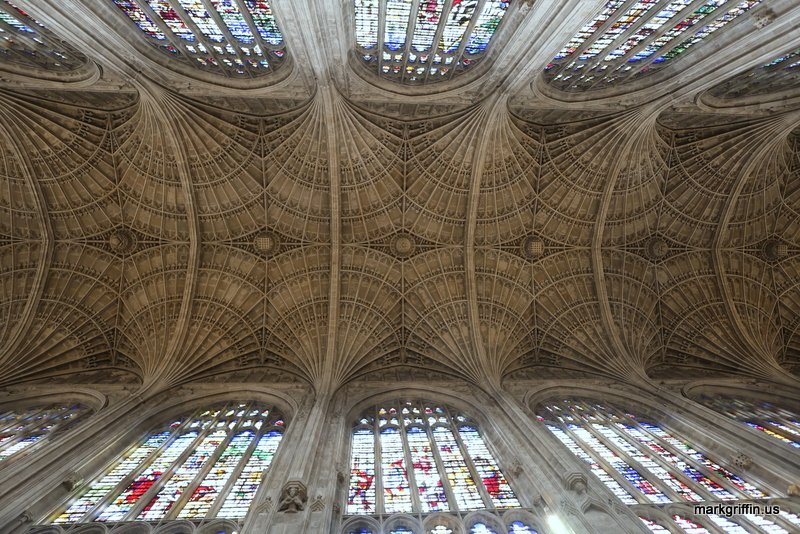
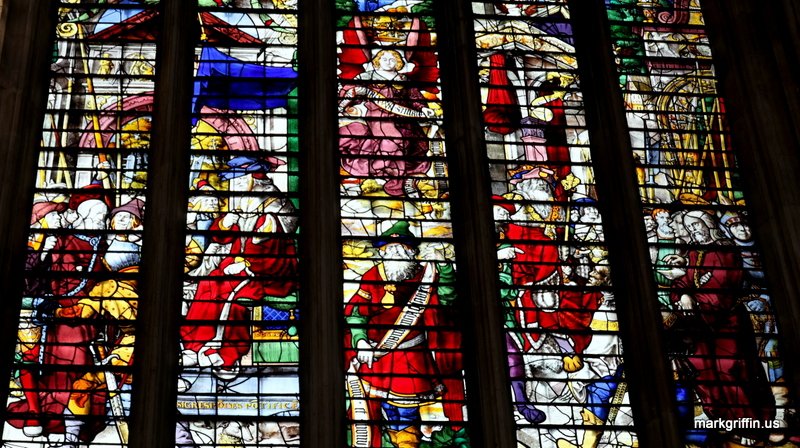
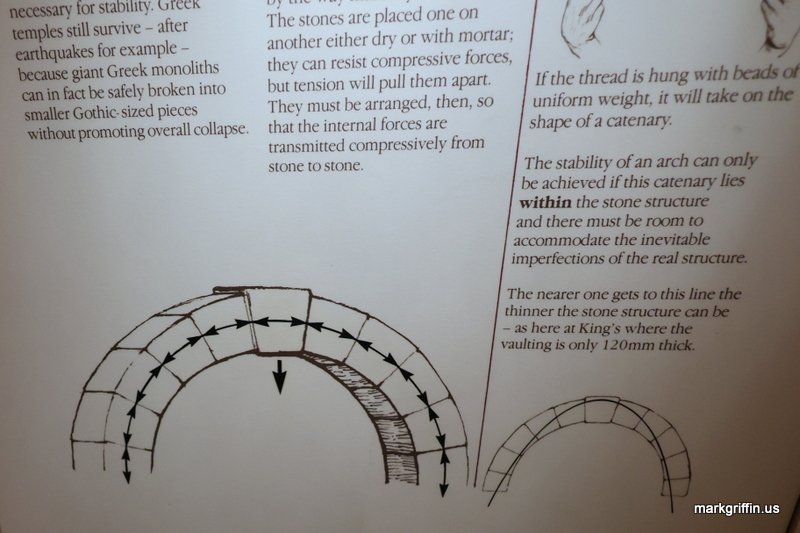
Enter Henry Tudor (aka Henry VII). In 1485 he defeats Richard III, puts and end to the War of the Roses and restarts the unfinished work of Henry VI. It takes until Henry VIII comes along in 1547 to install the fan ceiling and insert the stained glass windows.
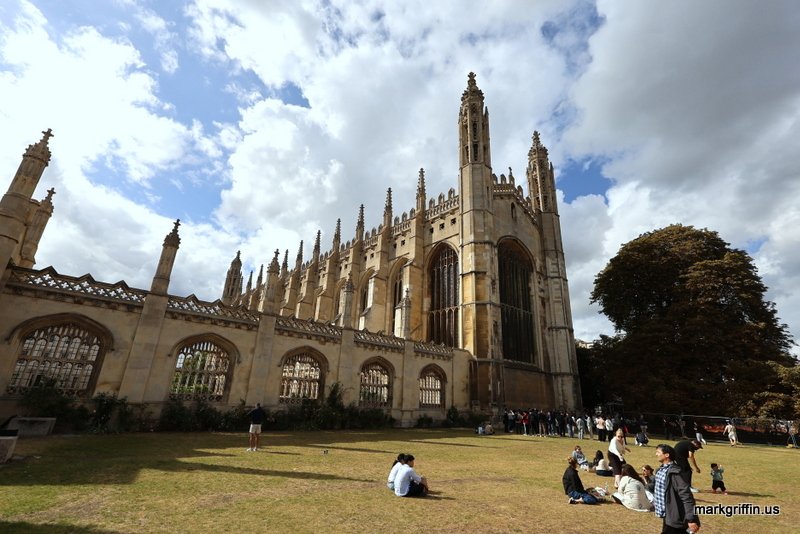

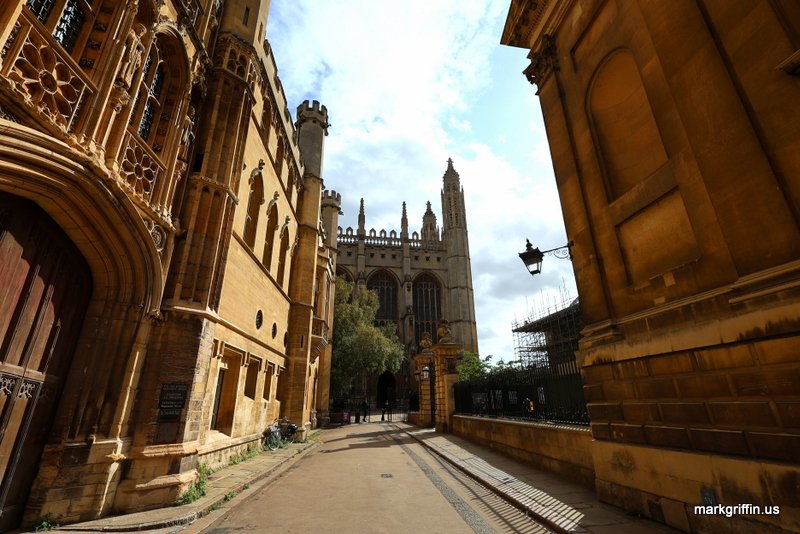
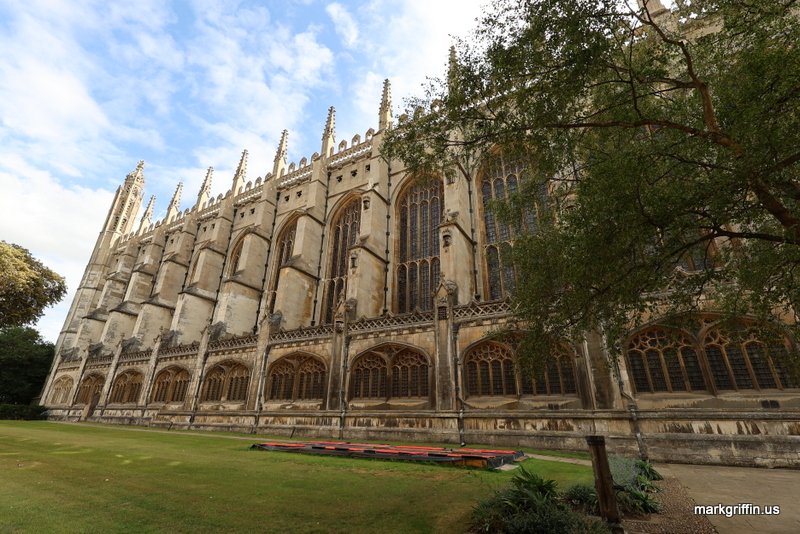
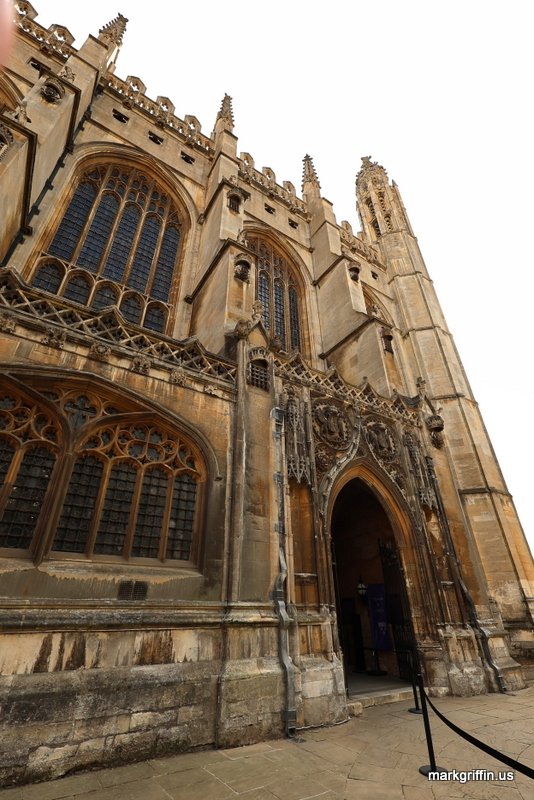
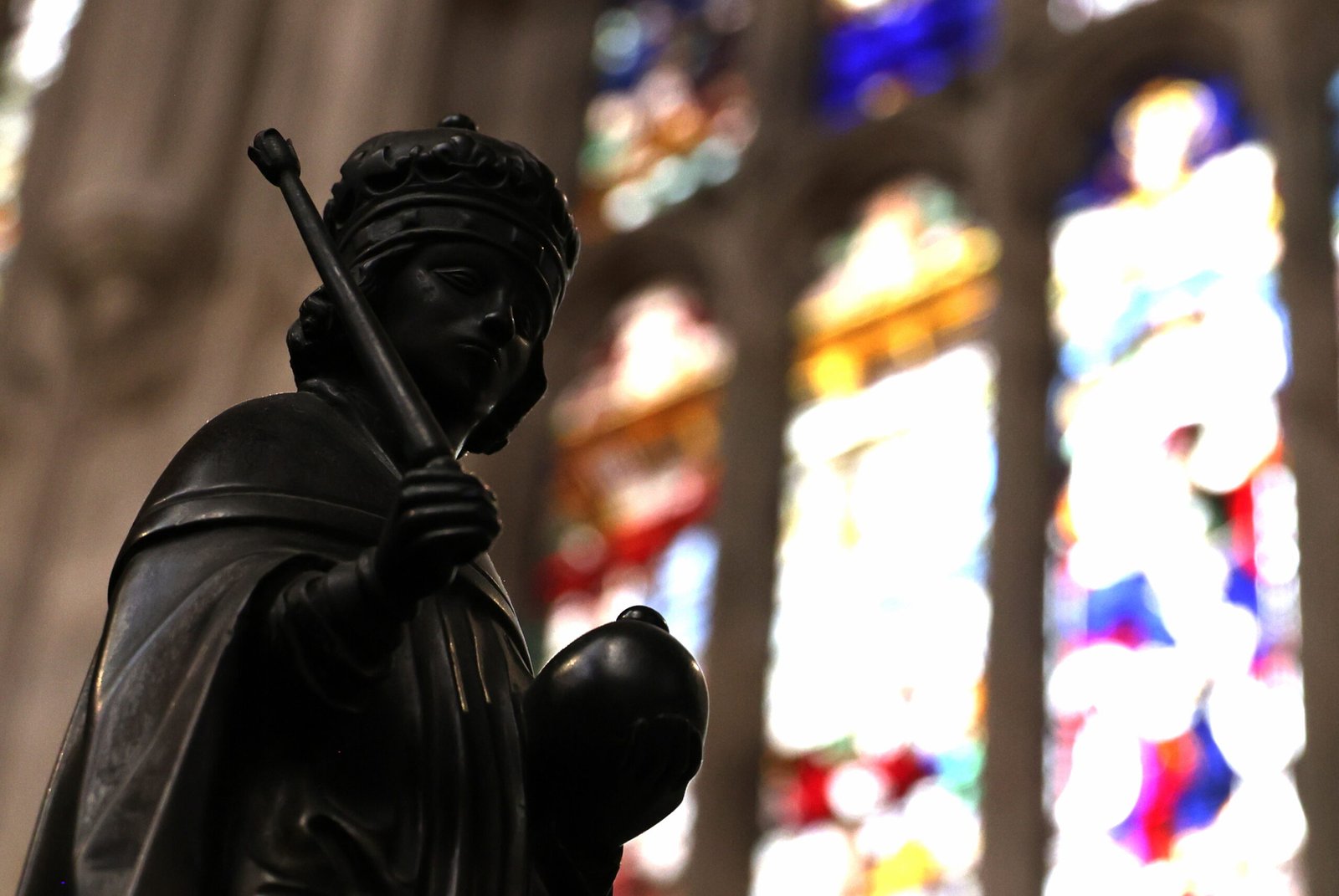
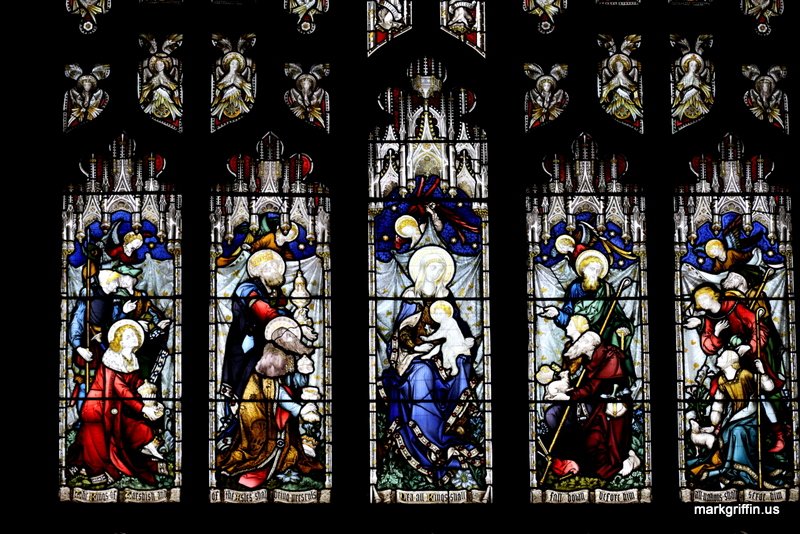
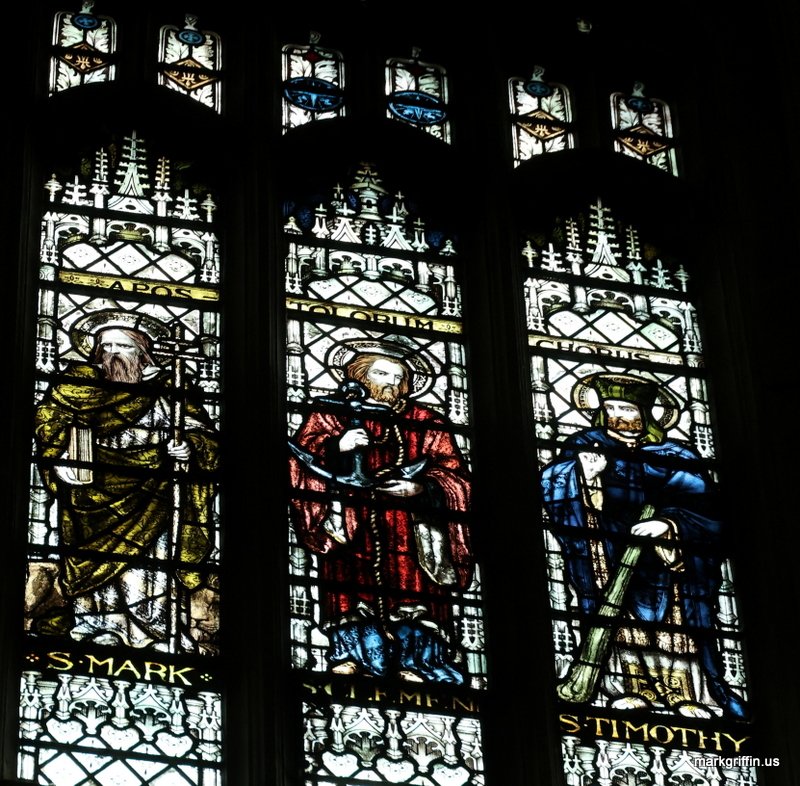
The windows you’ll see below are original to Henry VIII.



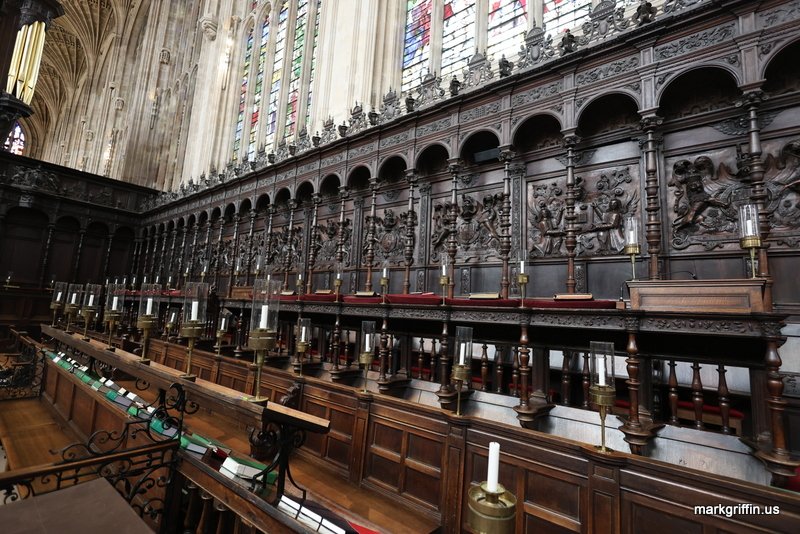
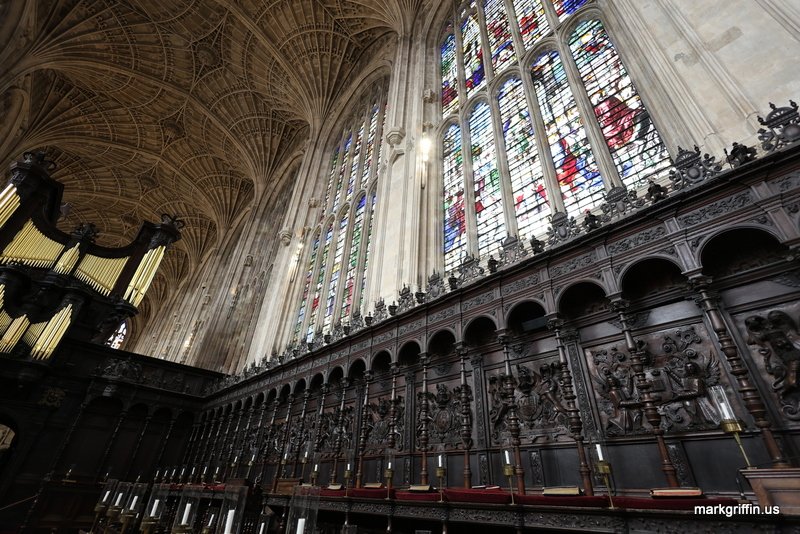
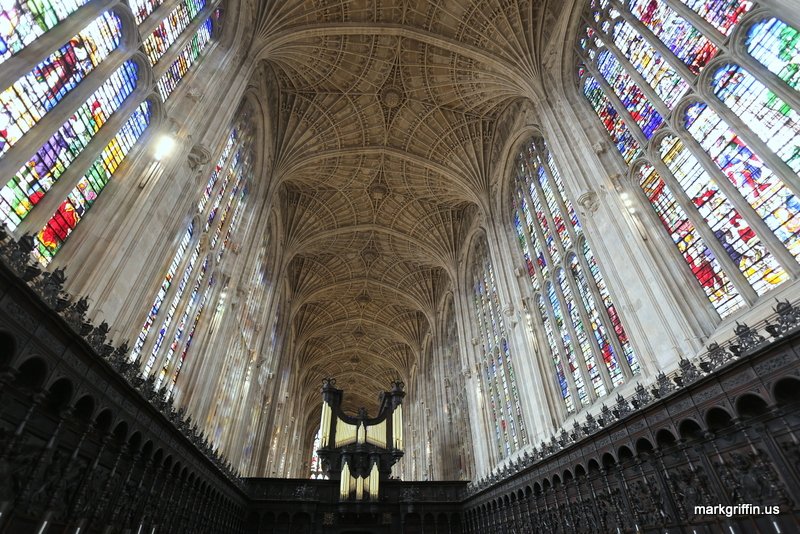

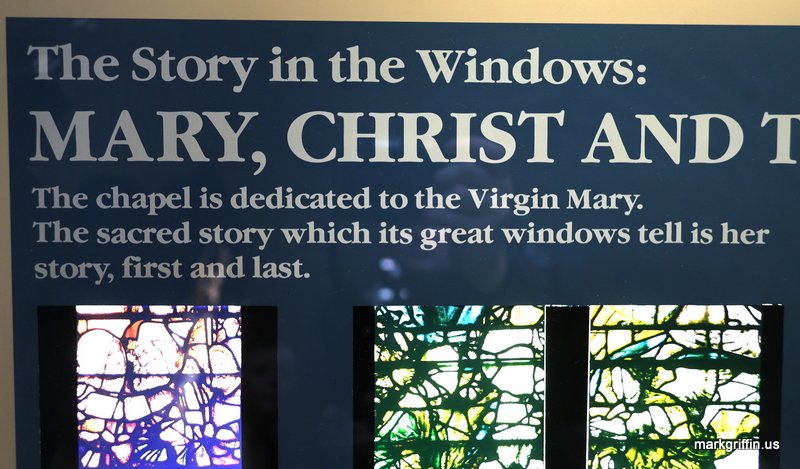
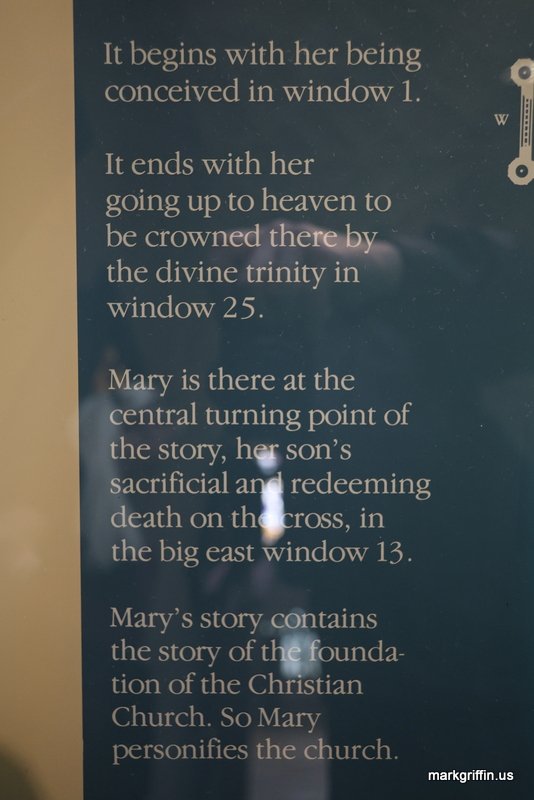
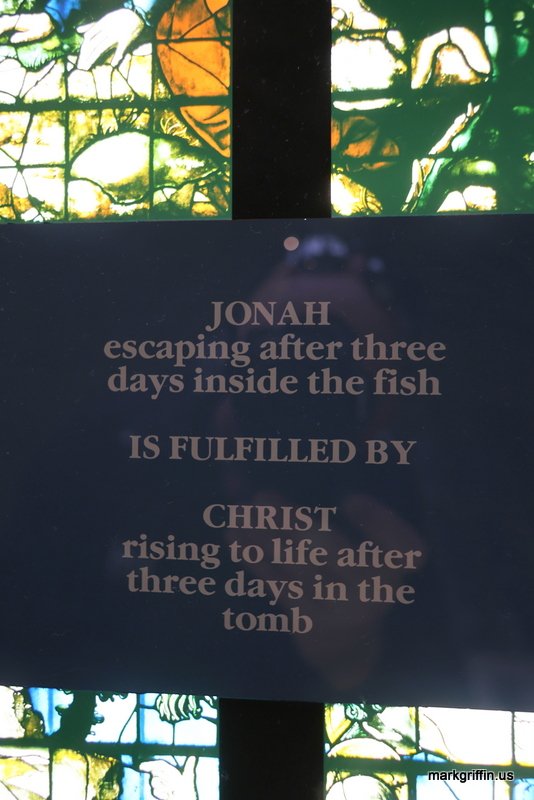
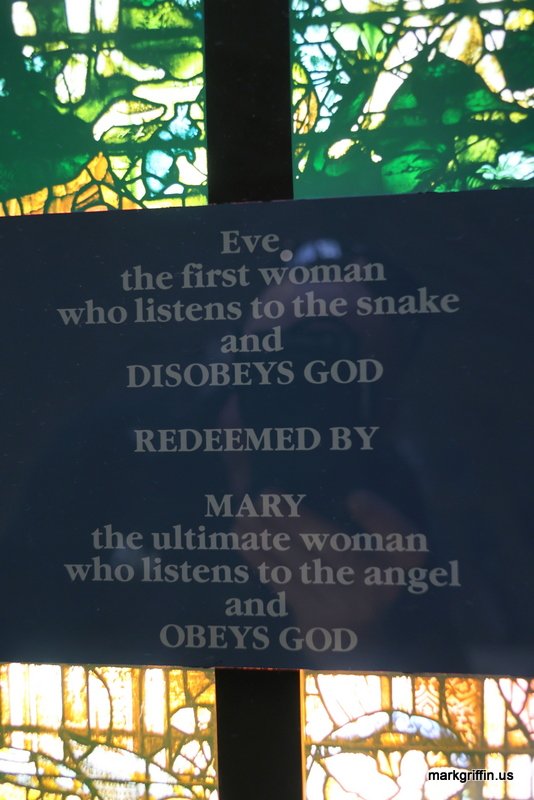
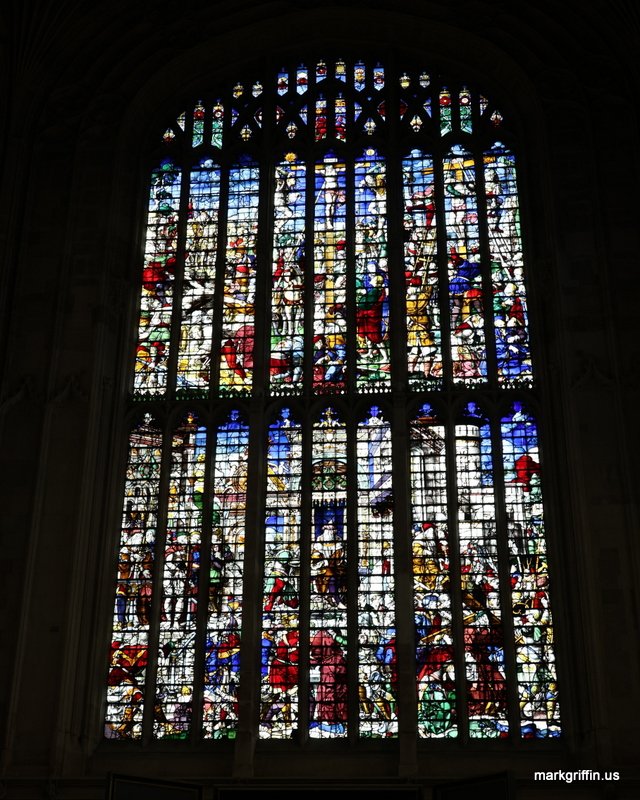
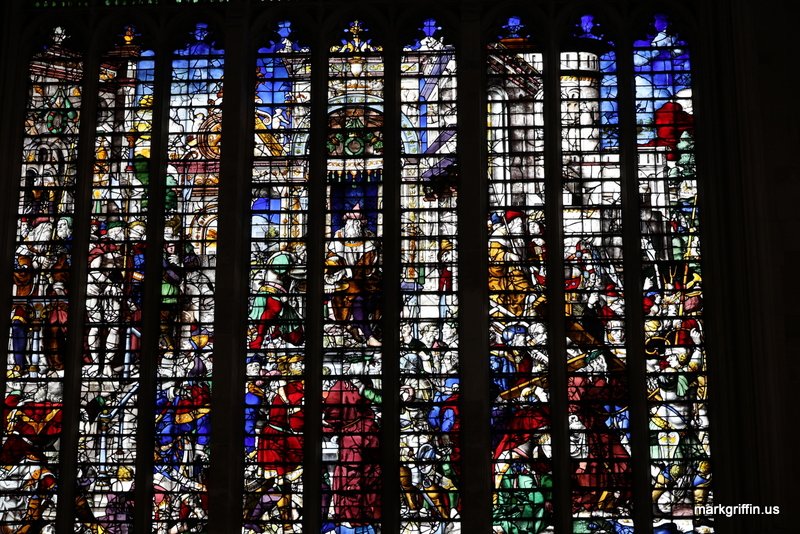
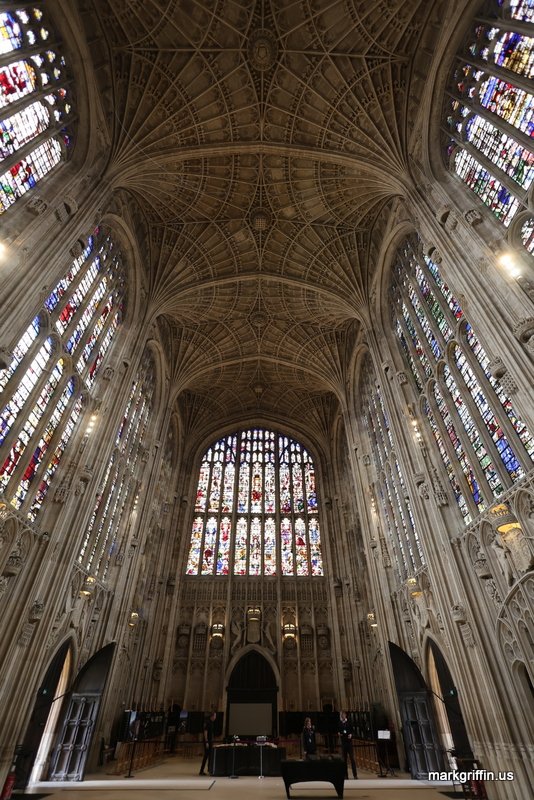
If you’re visiting, be here Sundays at 3:30pm. The building is free at that moment where you’ll find seating where you can relax and hear the Cambridge choir during regular school terms. This means you’ll likely miss them on holidays and or school recesses (as was the case for my visit).