New day, new fun things to see. We’re heading to Bath, roughly an hour and half by train to the west of London. This city is so unique and famous, it received the UNESCO heritage award twice, joining a short list of cities that can claim that (Rome, Venice, Hungary, Florence).
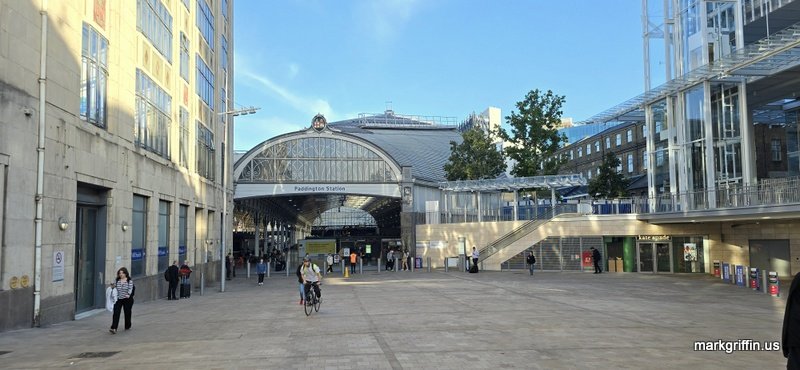
In my haste to get on the train I didn’t understand what the ticket person said. The day before, train tickets were sub $30 each way for a last minute purchase (later to find out it’s fare-controlled by the government as it’s within the London region. Heading to Bath means leaving the region and you’re subject to airline-like fares. In photo two, you read right, nearly $630USD. Don’t be like me, if you’re headed overseas and want to use trains, plan ahead and do lots of research.

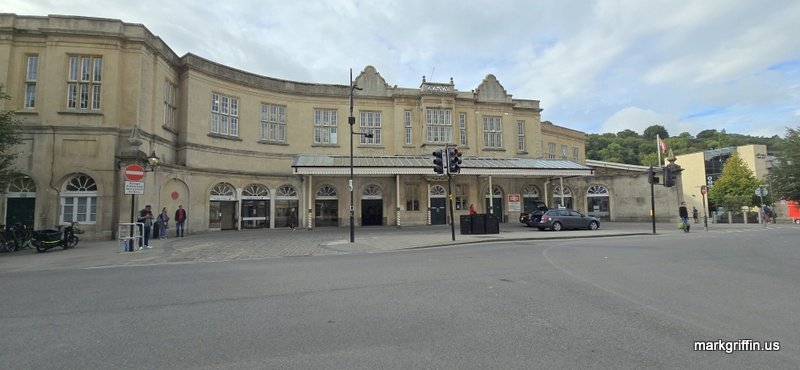
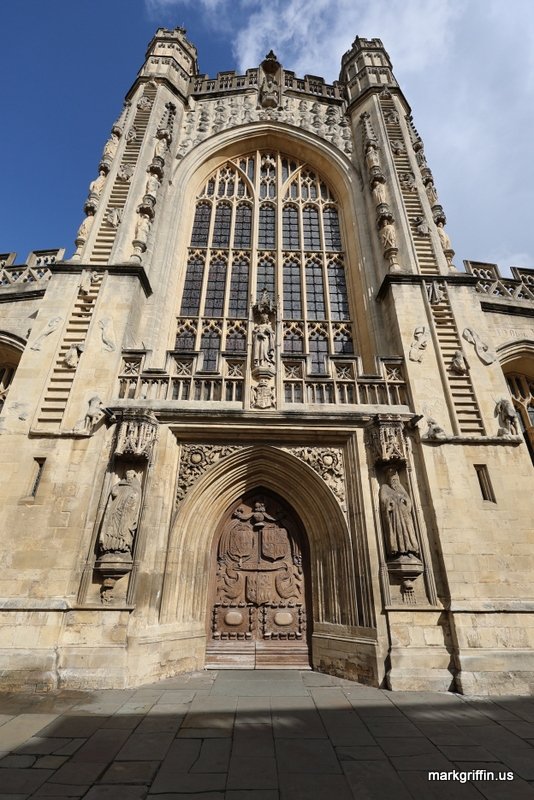
Bath is built around Britain’s only natural hot springs. The Romans founded the city of Aquae Sulis in the 1st century AD, creating a temple and grand bathing complex dedicated to the goddess Sulis Minerva. After centuries of decline following Rome’s withdrawal, Bath revived in the Middle Ages with Bath Abbey, a striking example of late Perpendicular Gothic architecture.
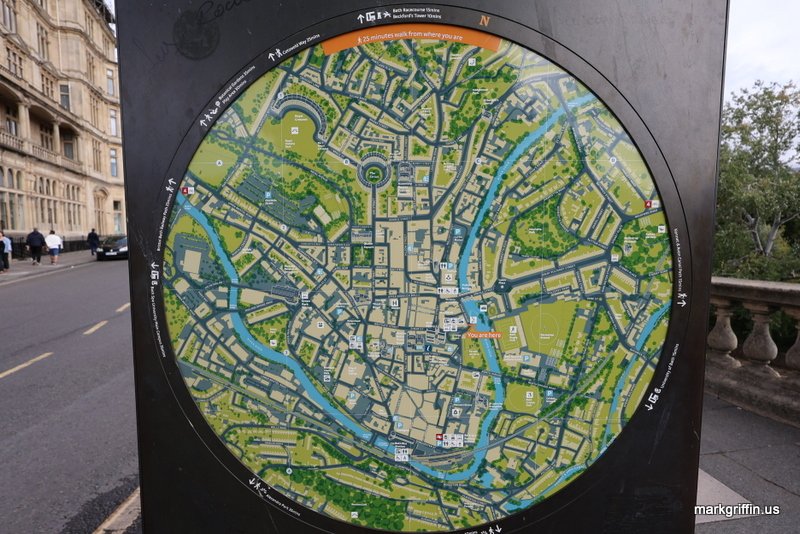
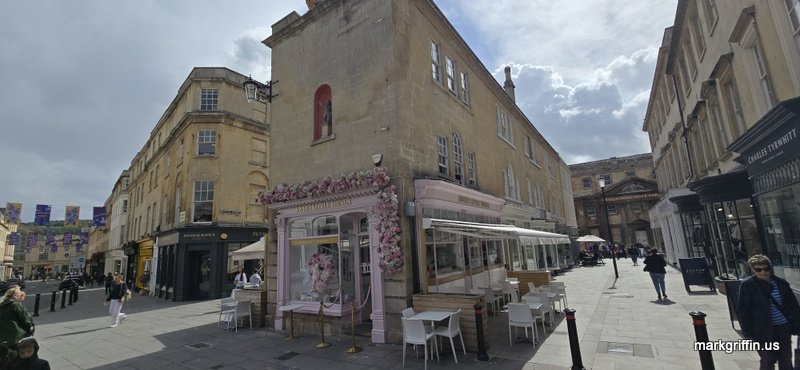
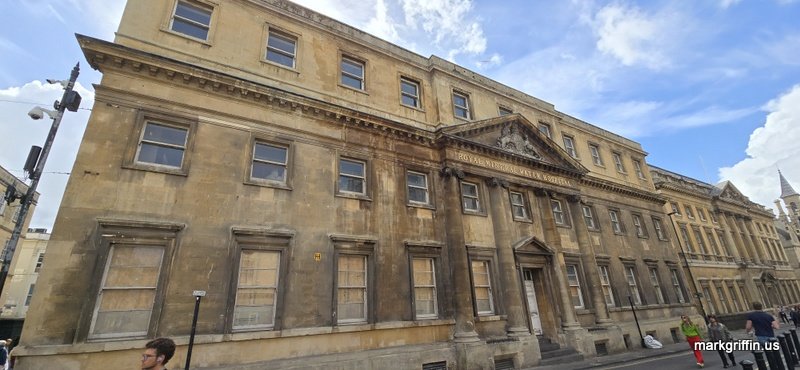
The city’s greatest transformation came in the 18th century, when Bath became a fashionable spa resort. Visionary architects reshaped it with elegant Georgian terraces, crescents, and squares, making Bath a symbol of refined society. As this is a very small town, it’s easy to traverse by foot.
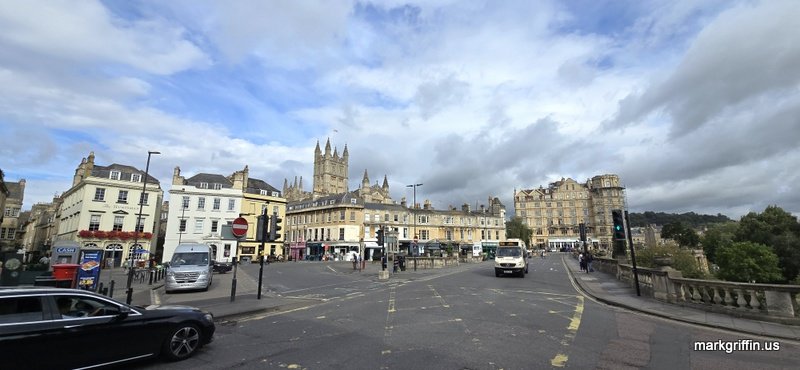
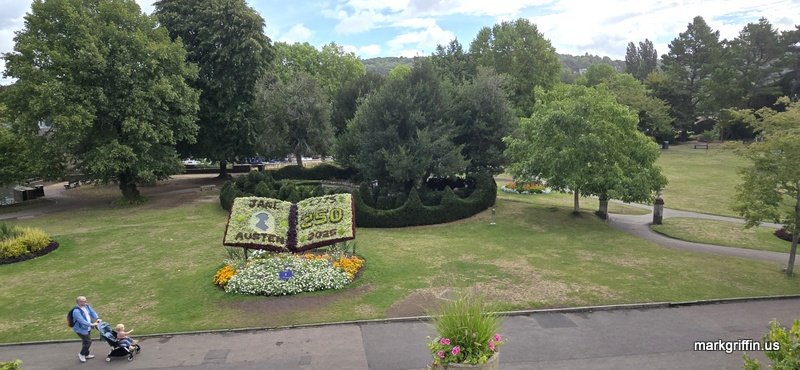
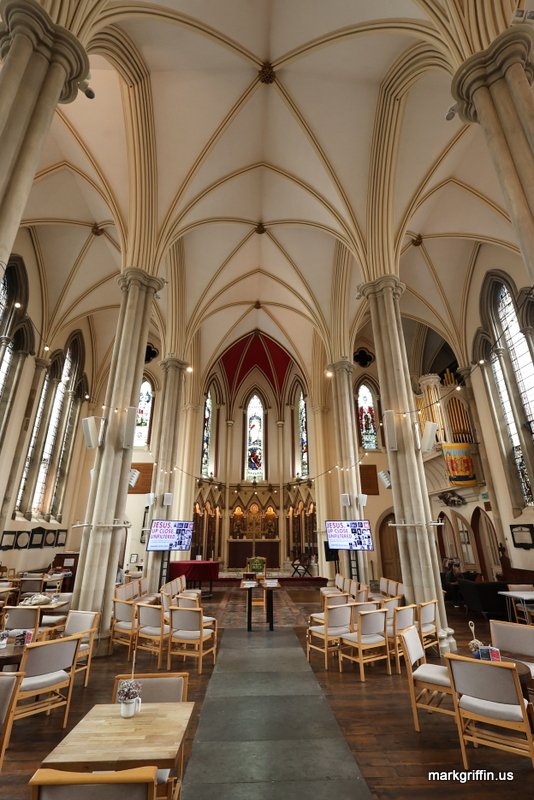
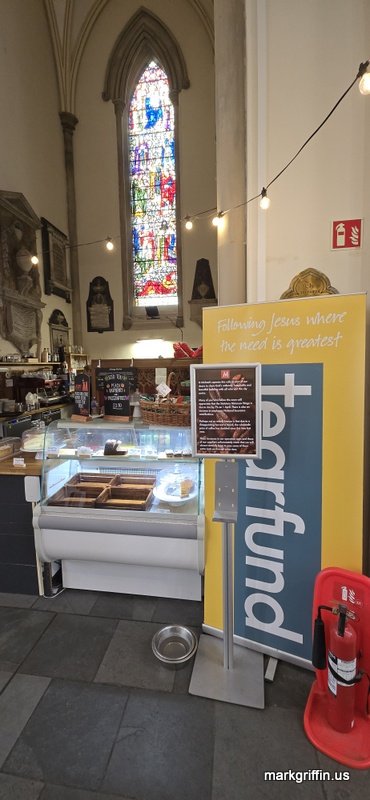
Churches here are so common there are not enough parishes to keep them alive. Locals have become creative, turning some into coffee houses to help cover the maintenance costs.
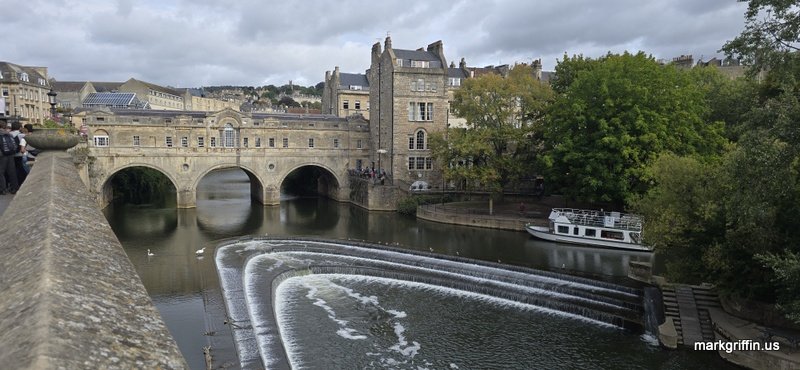
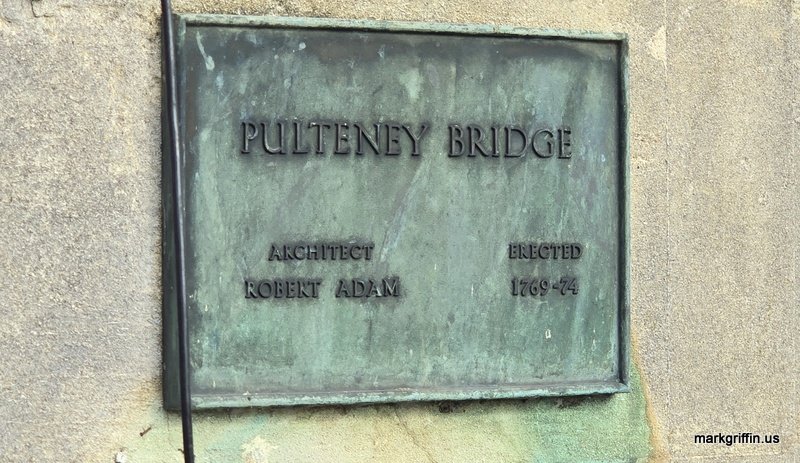
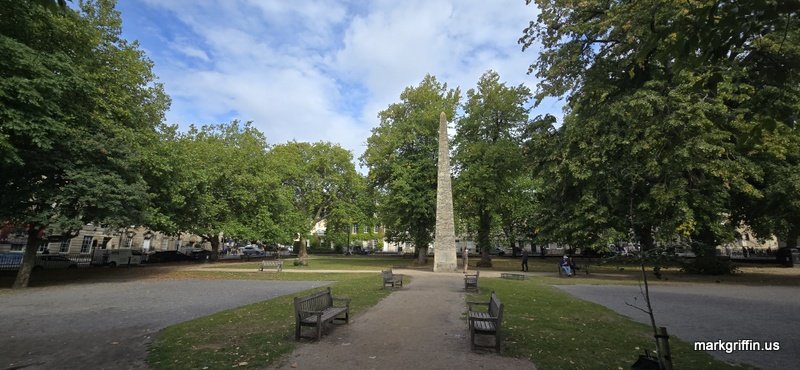
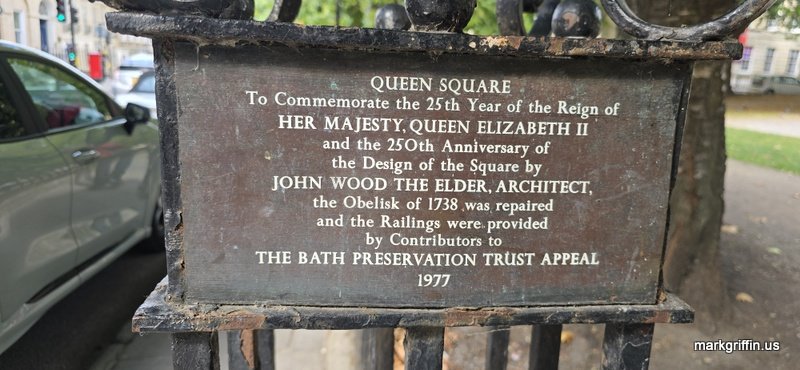
In the middle of the town is an obelisk in Queen Square, the Royal Crescent, and Pulteney Bridge reflect this city’s golden age.

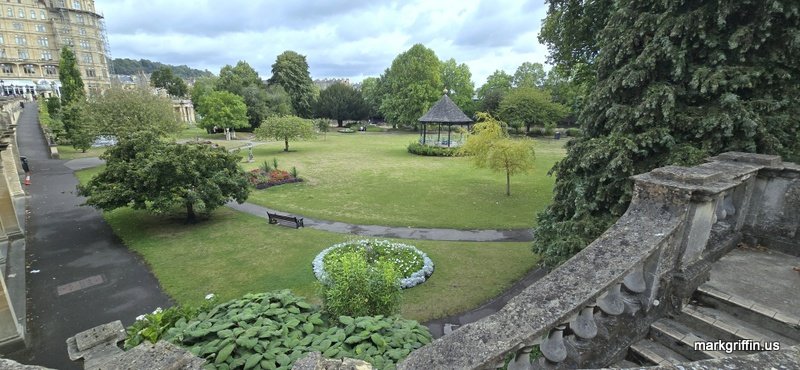
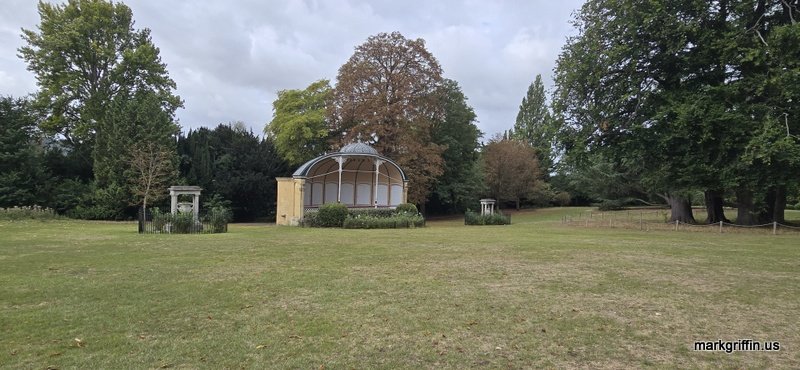
The bandstand in Royal Victoria Park, Bath was built in the late 19th century, at a time when bandstands were becoming a defining feature of public parks across Britain. Royal Victoria Park itself had opened in 1830. The addition of the bandstand reflected Victorian ideals of civic pride, leisure, and cultural improvement, offering free public entertainment through brass and military band performances. Its cast-iron structure, with decorative railings and a domed roof, provided a sheltered stage where audiences could gather on the lawns to enjoy music in an orderly, family-friendly setting. Though its regular use declined in the 20th century, the bandstand has endured as a landmark within the park and continues to host occasional concerts and community events, preserving its role as a symbol of Bath’s Victorian social and cultural life.
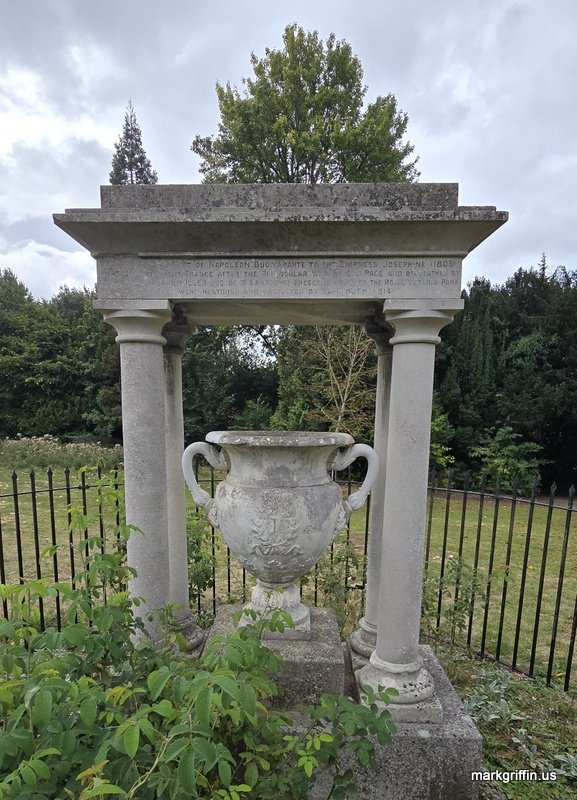
Here you’ll find the Napoleonic Vase (middle). The vase was originally presented by Napoleon Bonaparte to his wife, Empress Joséphine, in 1805. It was gifted to the city of Bath in 1830 highlighting the park’s status as a fashionable civic space.
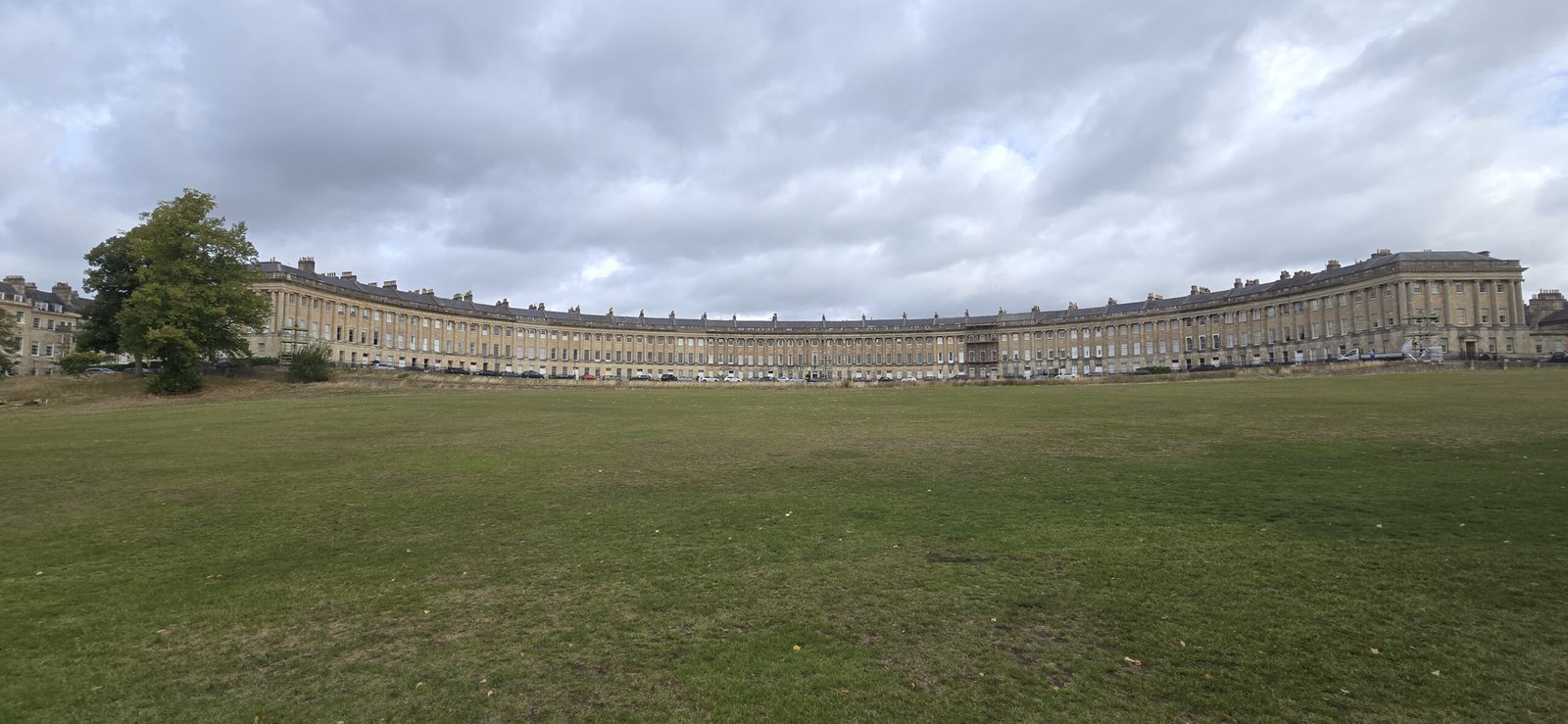
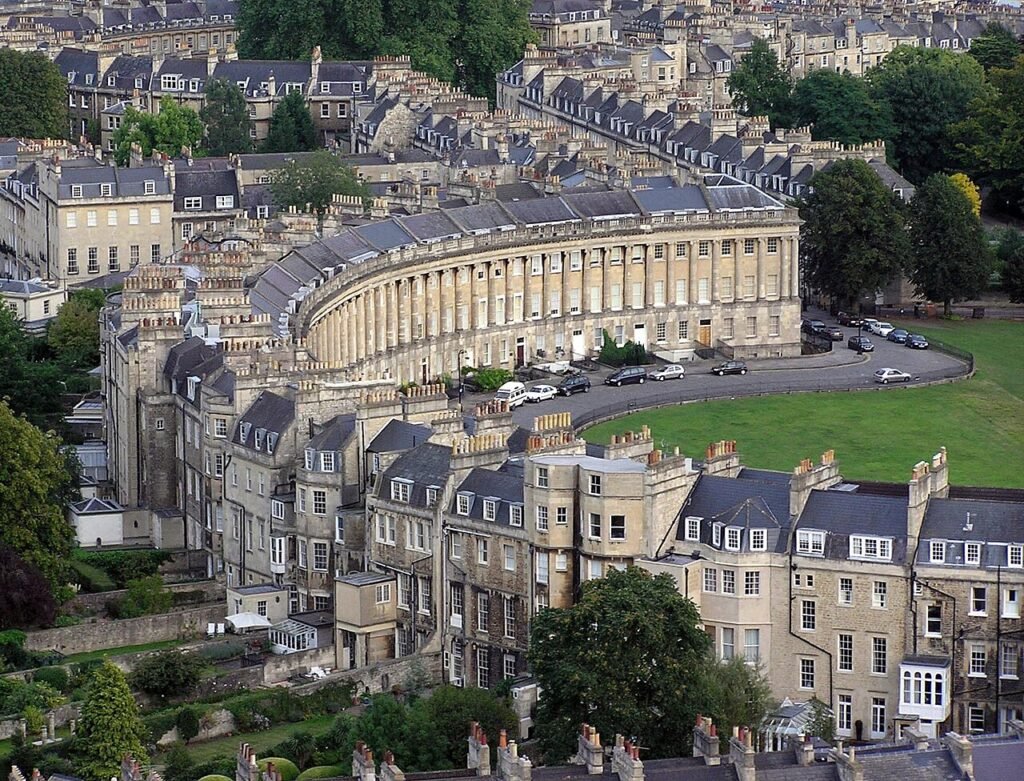
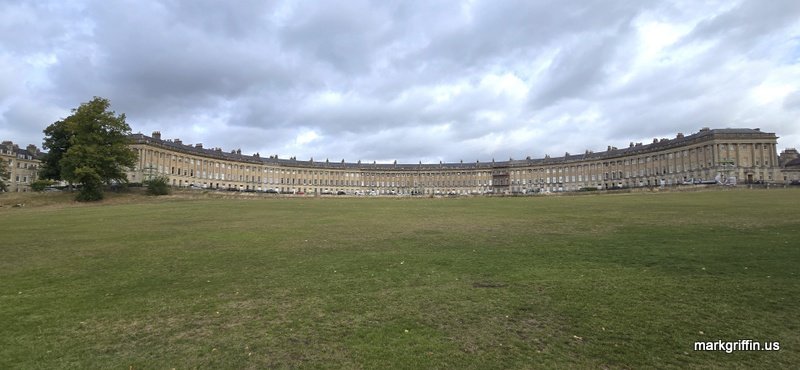
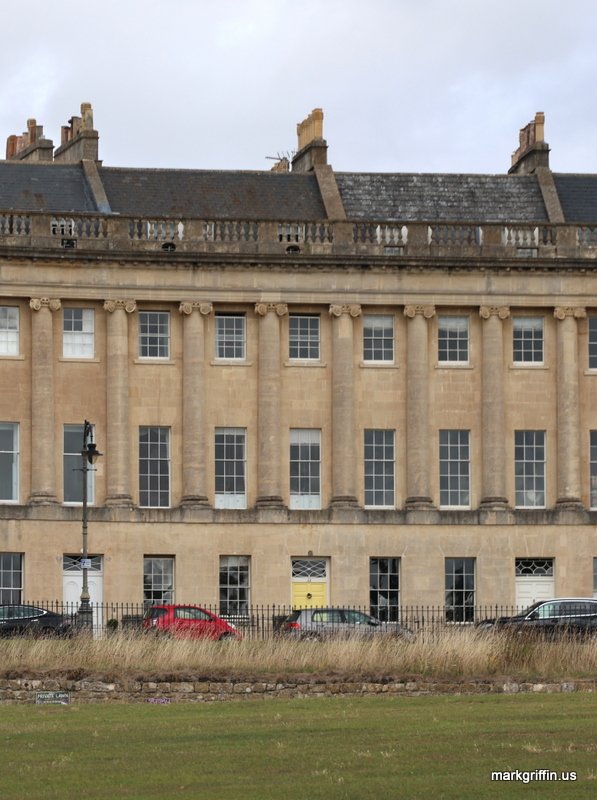
Turn 180 degrees from enjoying the park and you’ll see the Royal Crescent. It is one of the most iconic examples of Georgian architecture in Britain. Designed by John Wood the Younger and built between 1767 and 1775, it consists of 30 terraced houses arranged in a sweeping crescent overlooking Royal Victoria Park. Today many of the houses which had formerly been the residences of single families with maids or other staff were divided into flats and offices.
Originally, all 30 houses were required to keep a uniform exterior: Bath stone façades with muted, traditional door color. In the 1970s, one resident, a direct descendant of the Duke of Wellington (1769), painted their door bright yellow in defiance of these conventions. The matter escalated into a dispute with Bath City Council, which wanted the door repainted to blend in with the rest of the terrace. The case went to court, and the homeowner ultimately won the right to keep the yellow door. As a result, that door has become a small but famous symbol of individuality within one of the most carefully controlled and historic architectural settings in Britain
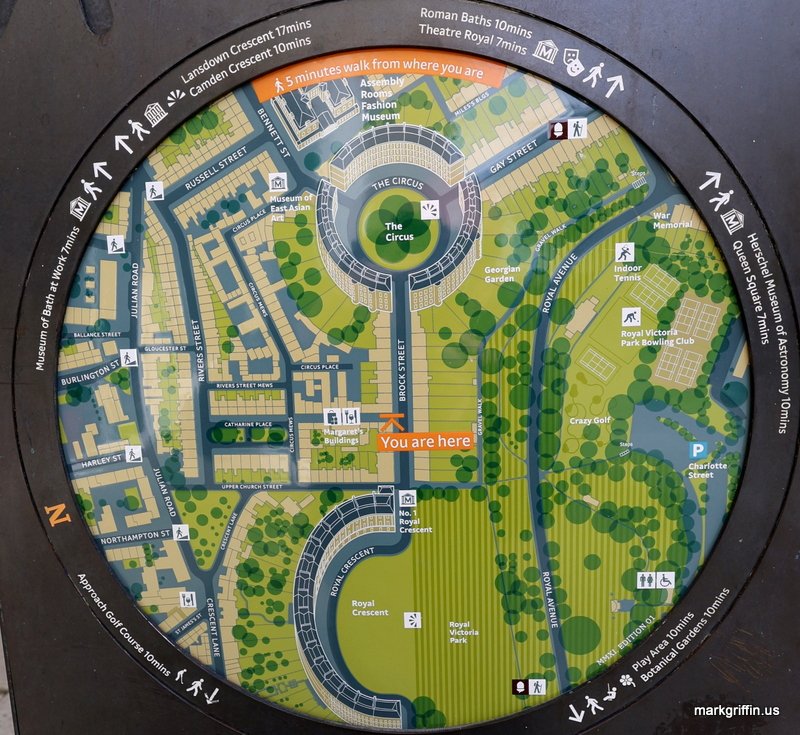
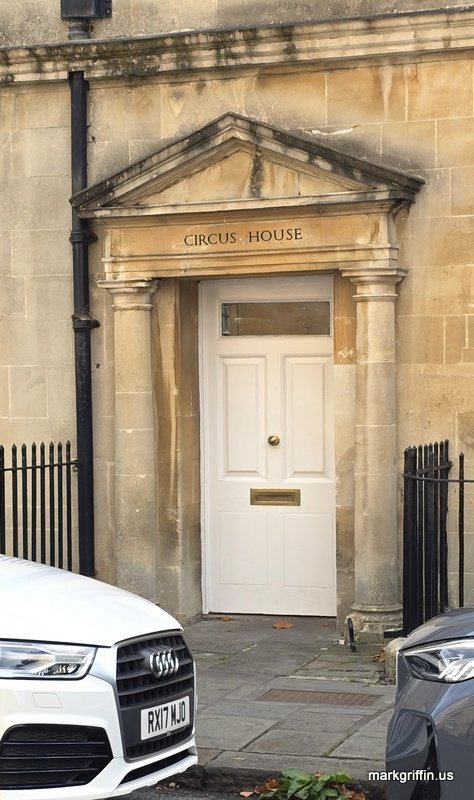

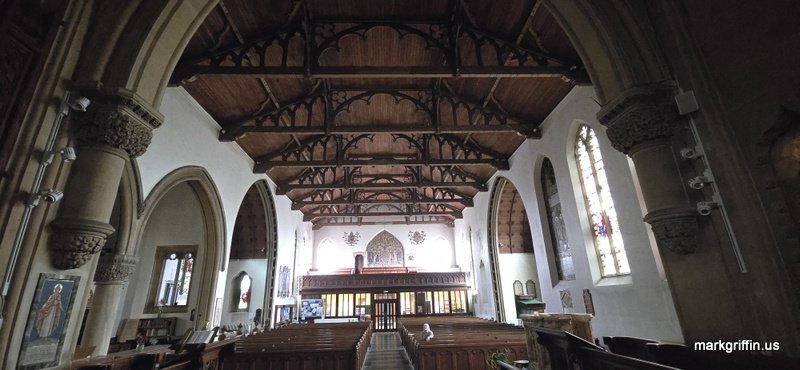
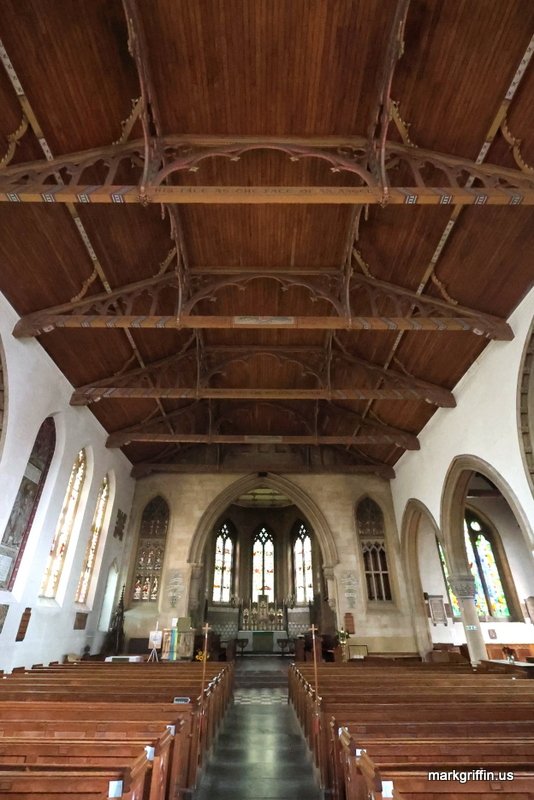
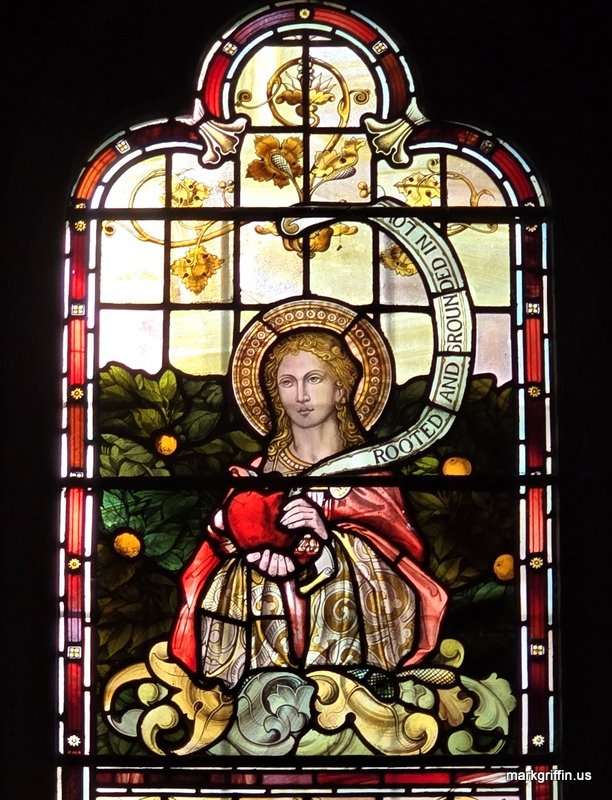
At the top of the hill which towers of the Crescent is St Stephen’s Church, which was built between 1840 and 1845. Today it’s part church, part community town center. It also has some of the most intricate stain glass in the area.

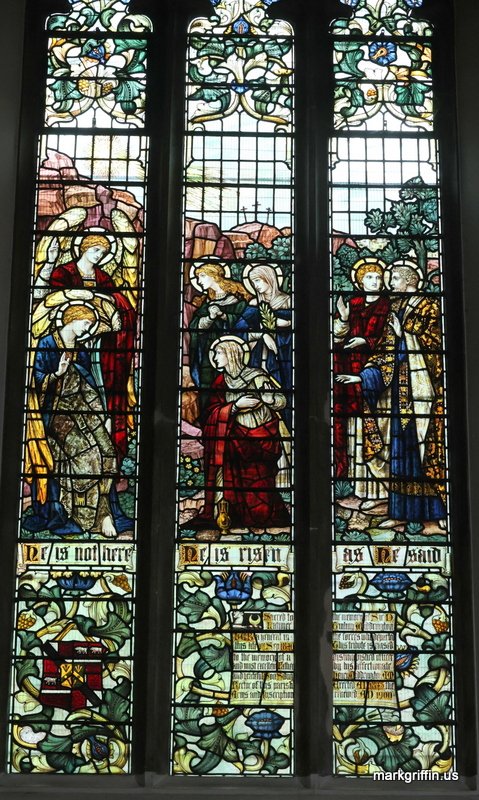
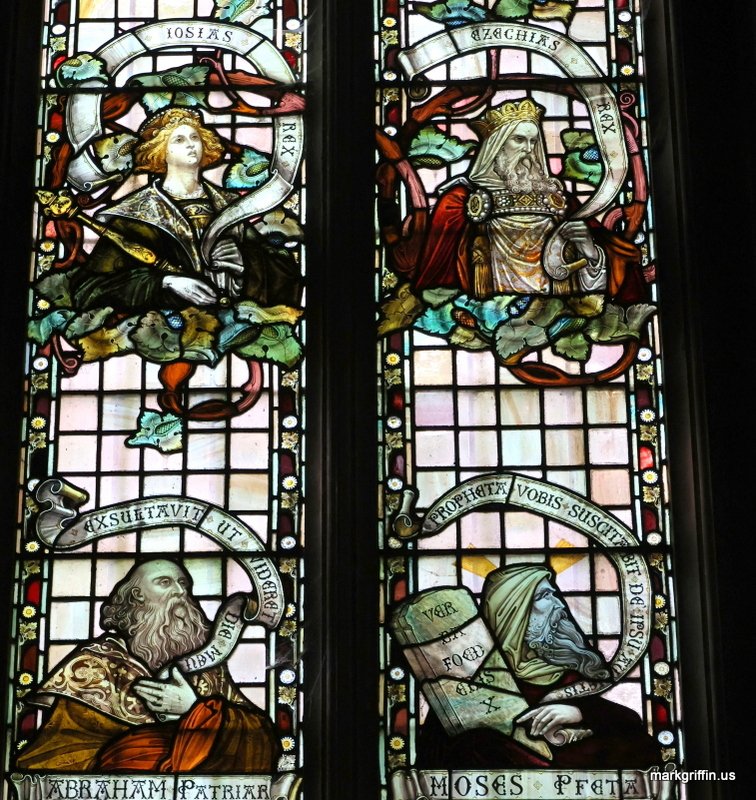
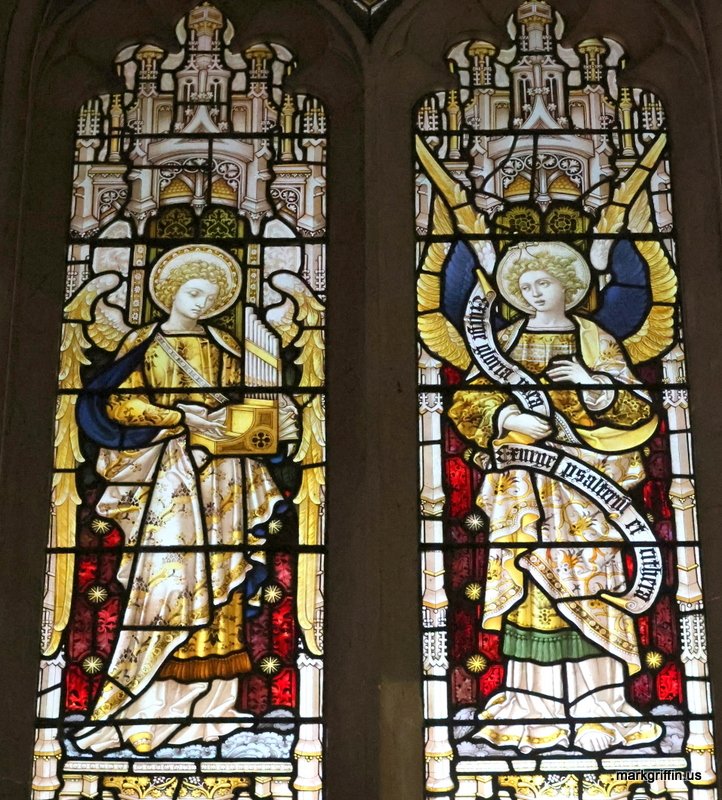
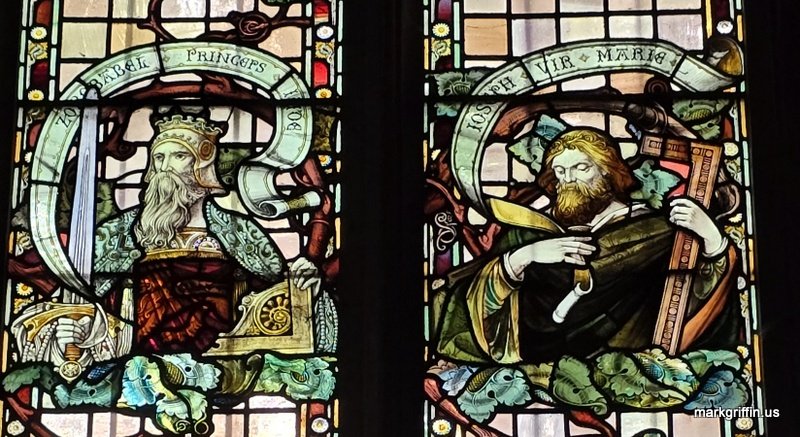
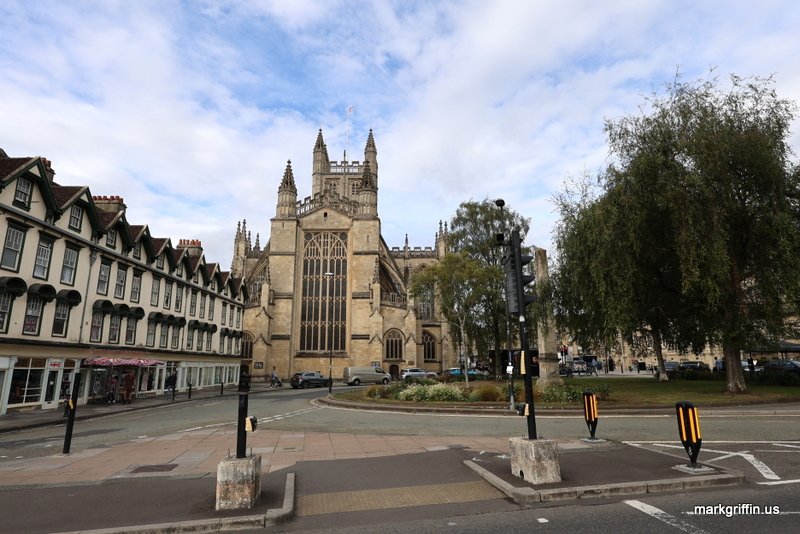
Take the bus back into town. After strolling the stunning streets you’ll find Bath Abbey.
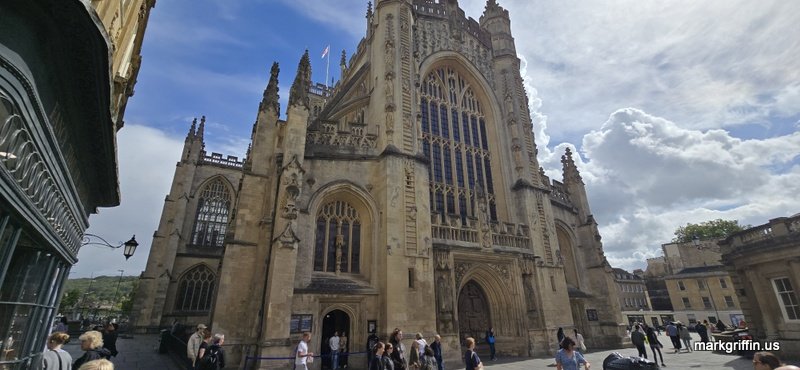
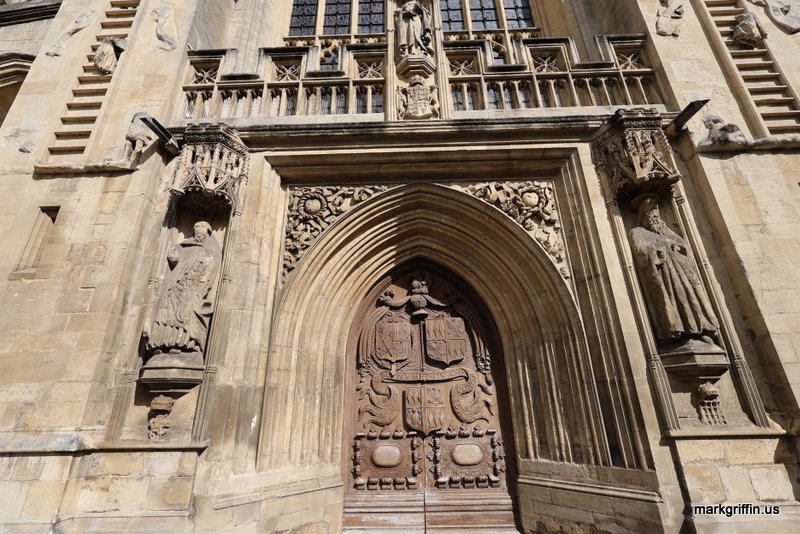
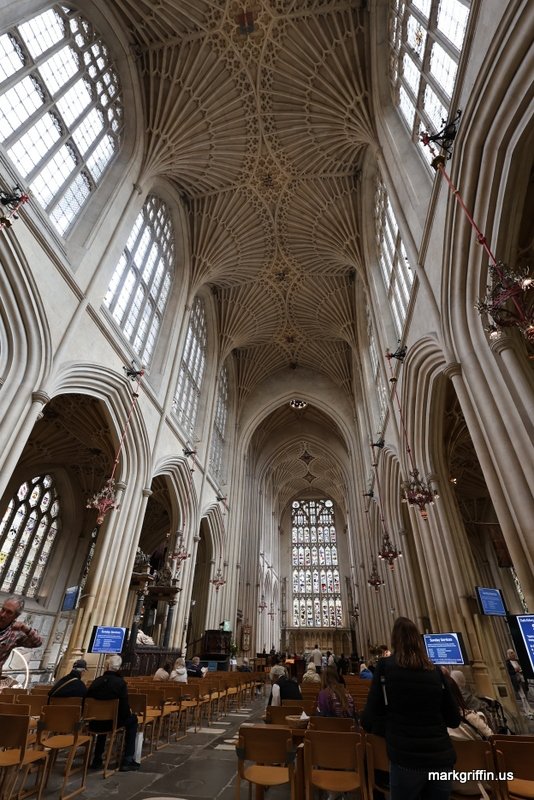
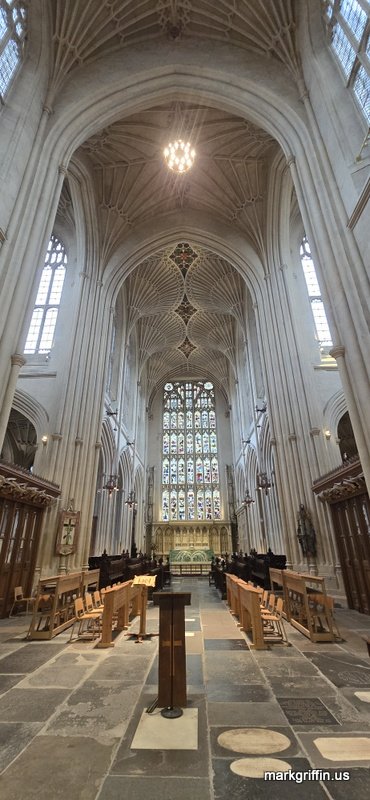
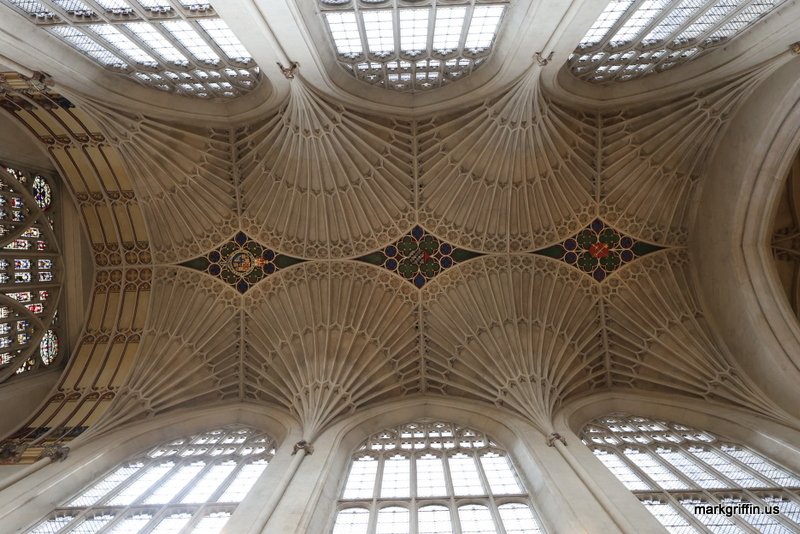
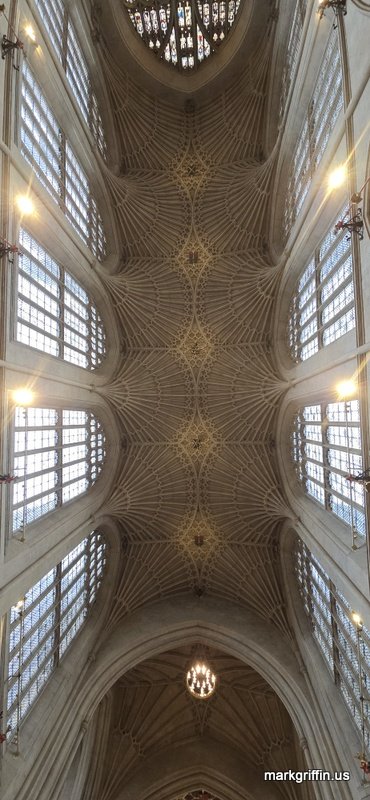

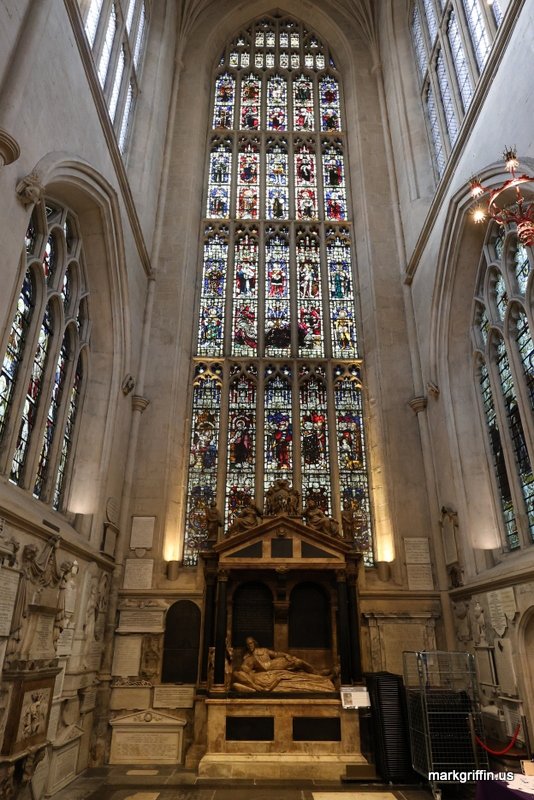

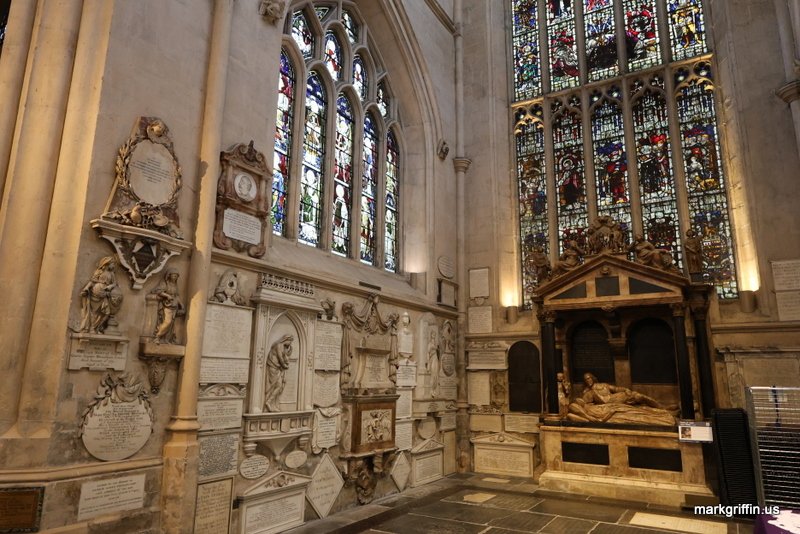
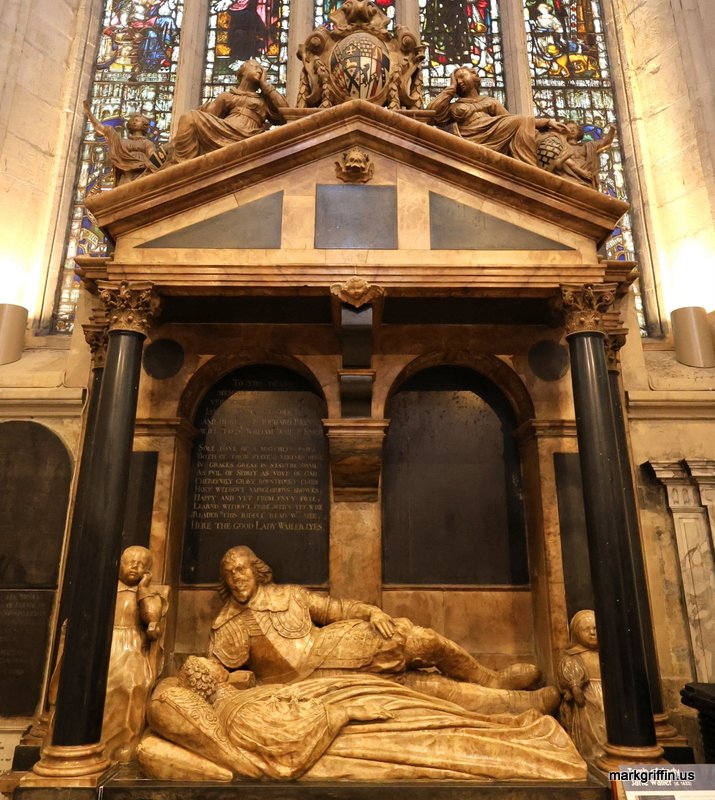
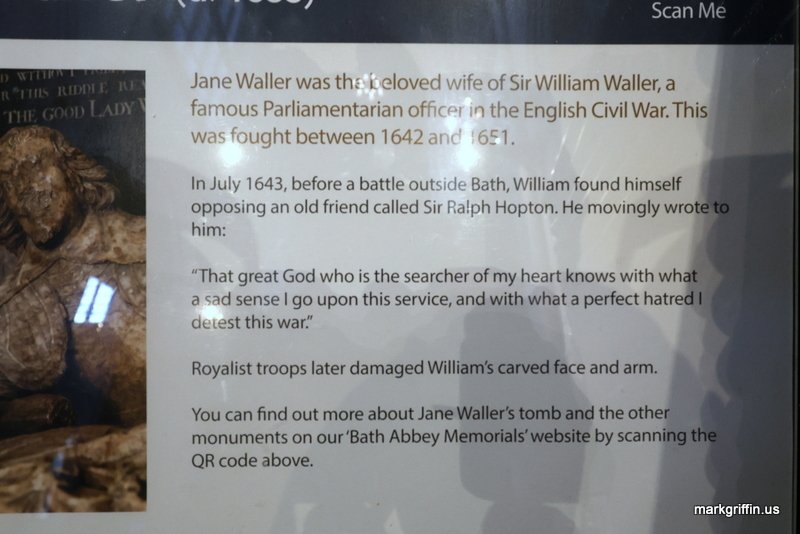
Yet another reminder, if you want to explore the most unique parts of Europe, go while you’re still young enough and in good enough physical condition to do them. No elevators in old churches.

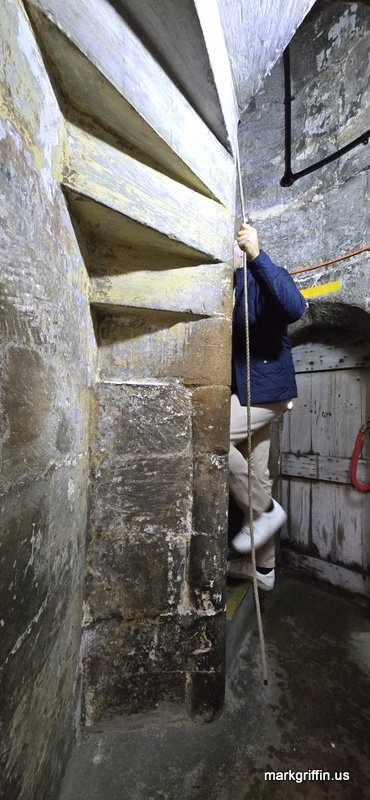
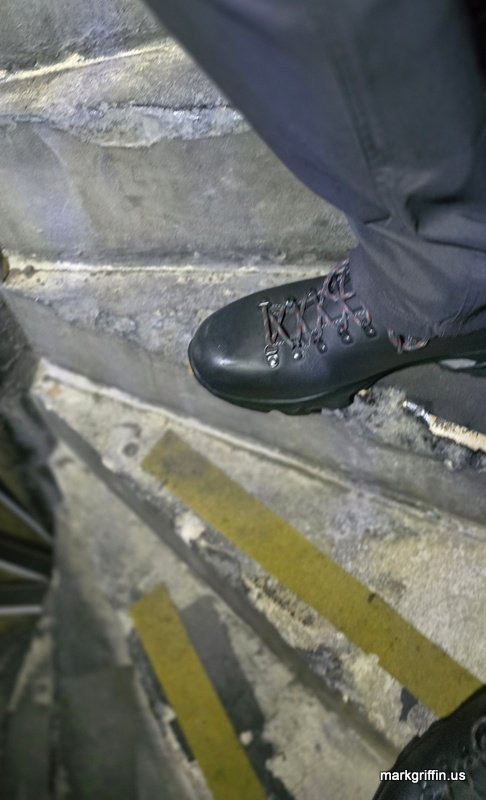
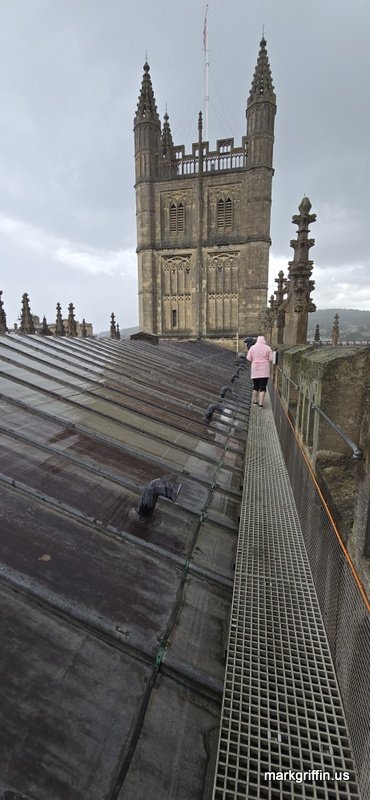

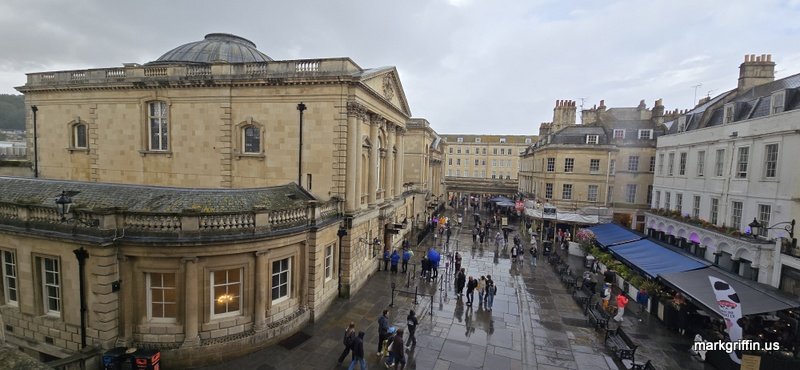
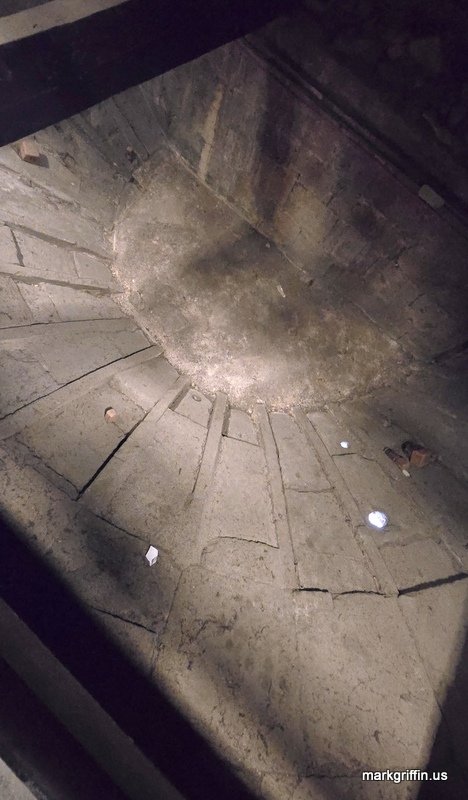
This tour has you stop at multiple levels of the cathedral. After a brief view of the Roman bath house (above, right) you’re taken to a small room to walk on top of the curved brick ceiling, checking out the clock. Not a tour for those that are tall.
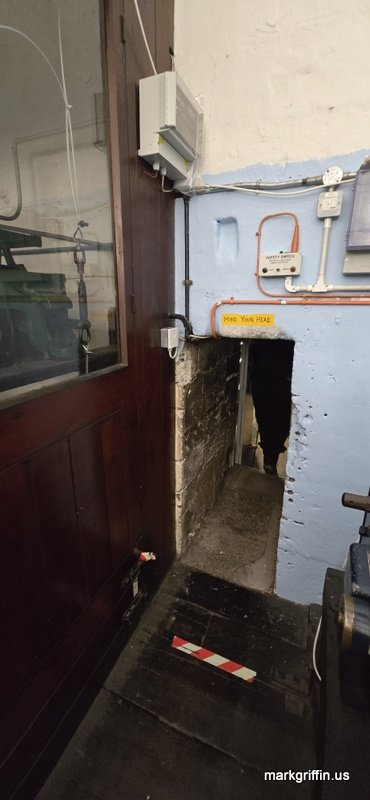


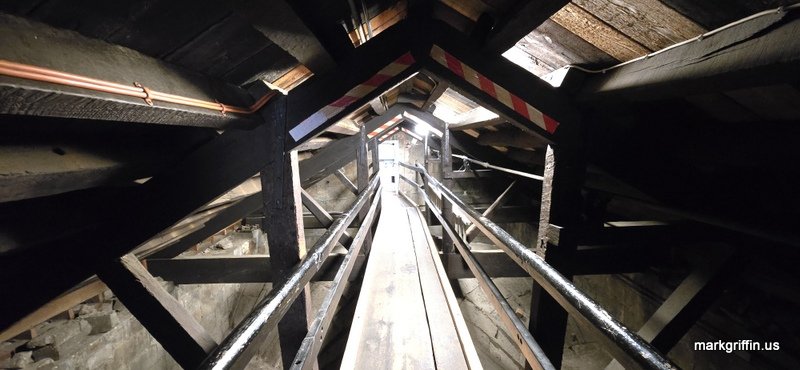

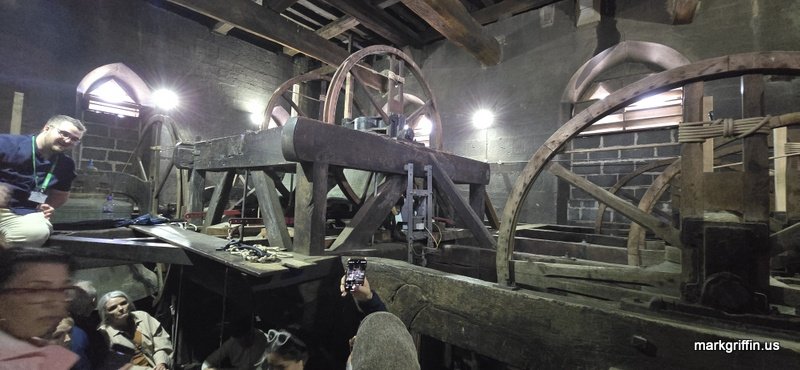
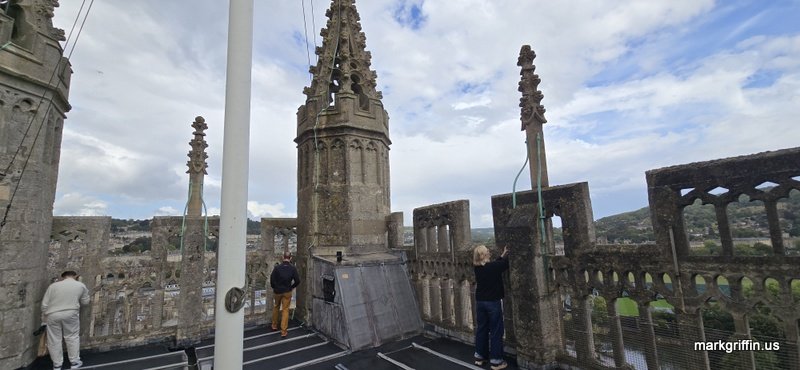
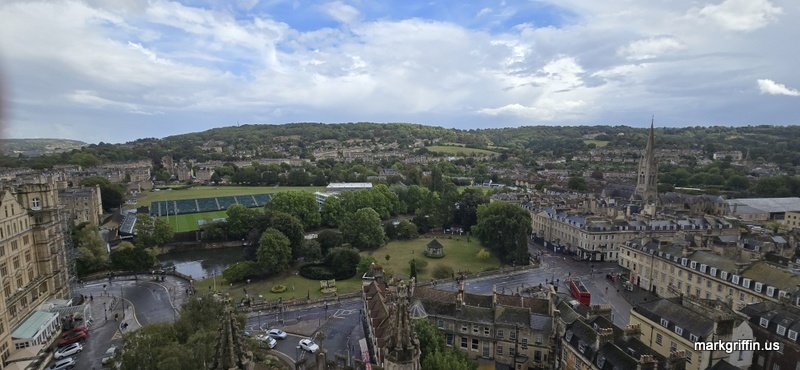
Returning back from the clock / ceiling tour you learn the way they ring bells. After some facts its on to the roof.


This is a quaint city that’s an easy escape from London. Highly recommended.